

Progress is hardly ever linear. Any time we make a meaningful change, there will be backlash and pushback. There will be people like Saba Faisal who try to drag us back a hundred years.
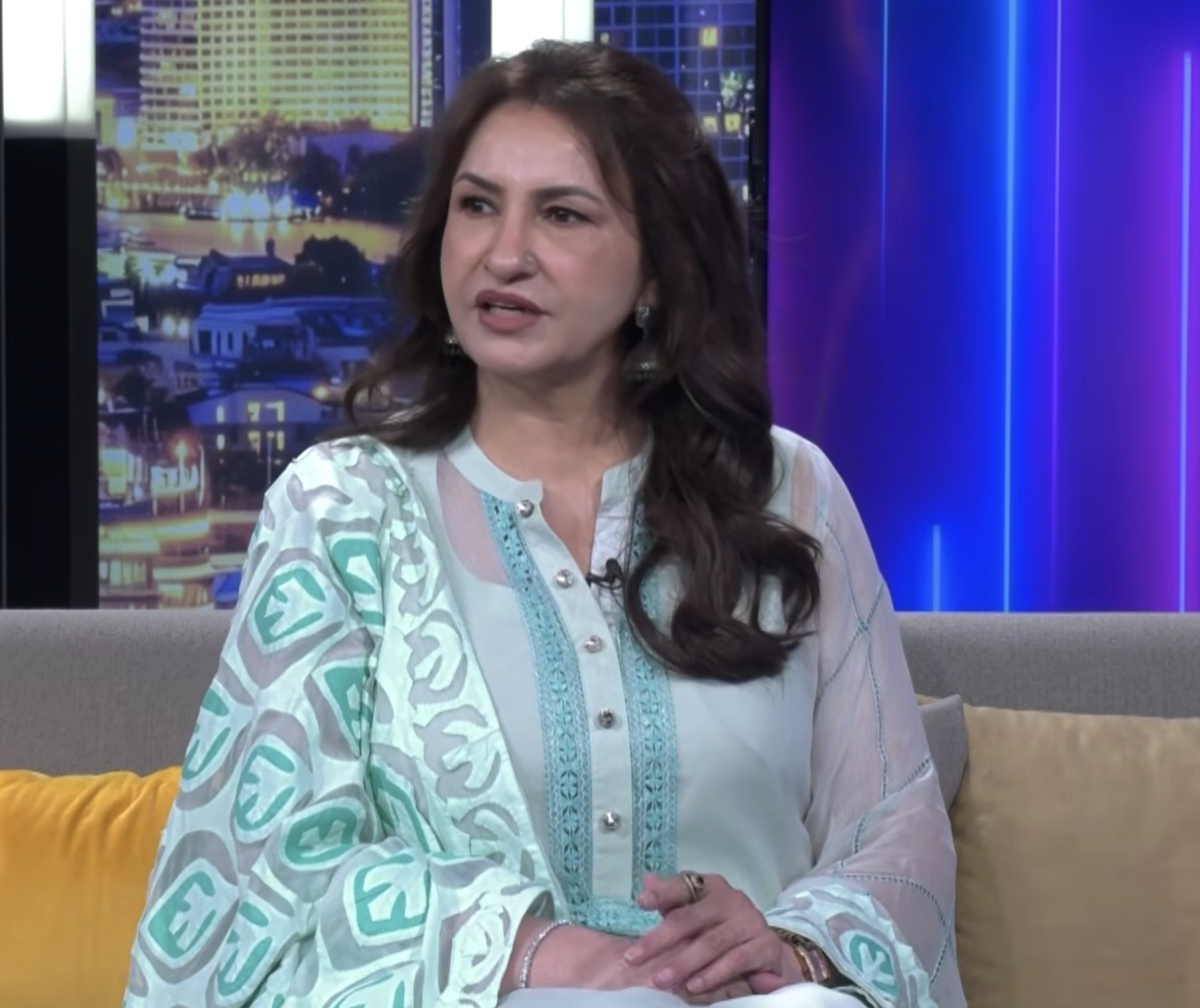
On a viral television appearance, Faisal lamented the lack of shame heaped on a divorced woman and her family. She recalled a time when divorce had severe social consequences compared to now, when people just move on with their lives. She further suggested that this changing attitude is a sign of society’s decline.
This is not Faisal’s first controversial statement about marriage. Perhaps she is a rage baiter who craves discourse. More likely, she is a product of her society where these ideas are rampant.
The Generation Gap Is Showing
A recent storyline in *Dar-e-Nijaat*, one of the most popular dramas currently airing, regurgitated the same harmful norms without reflection.
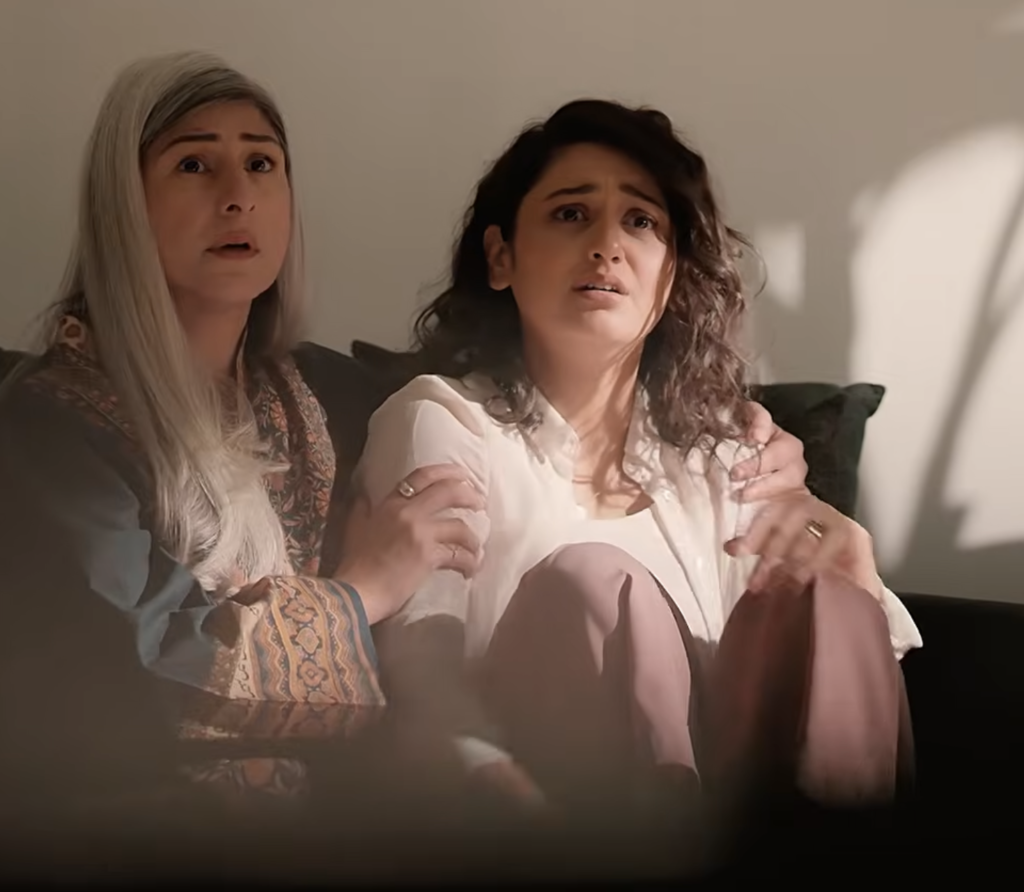
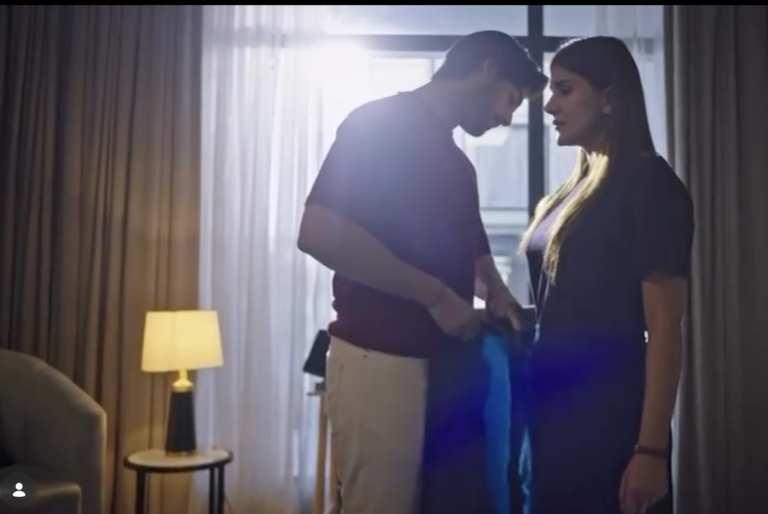
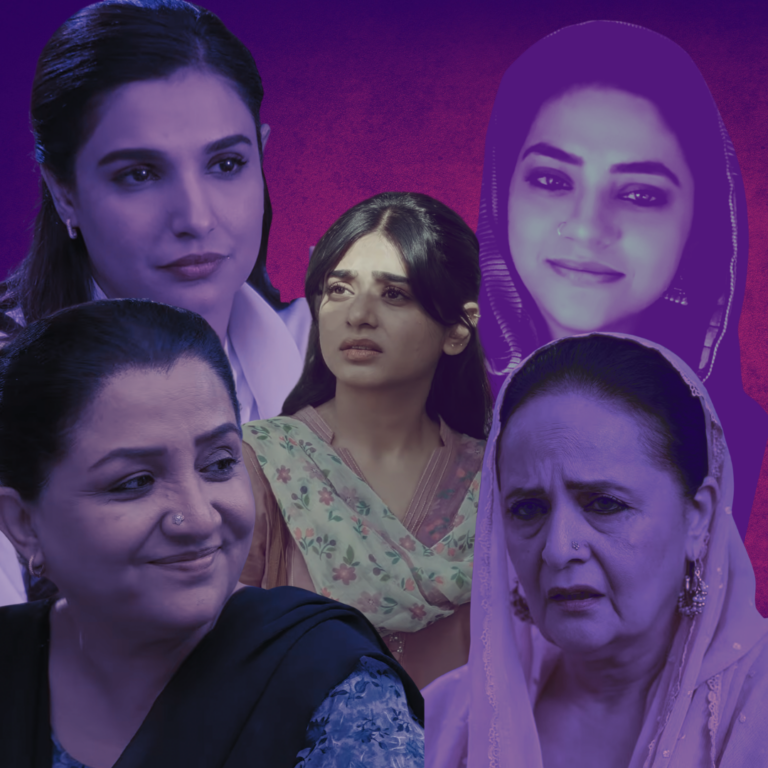
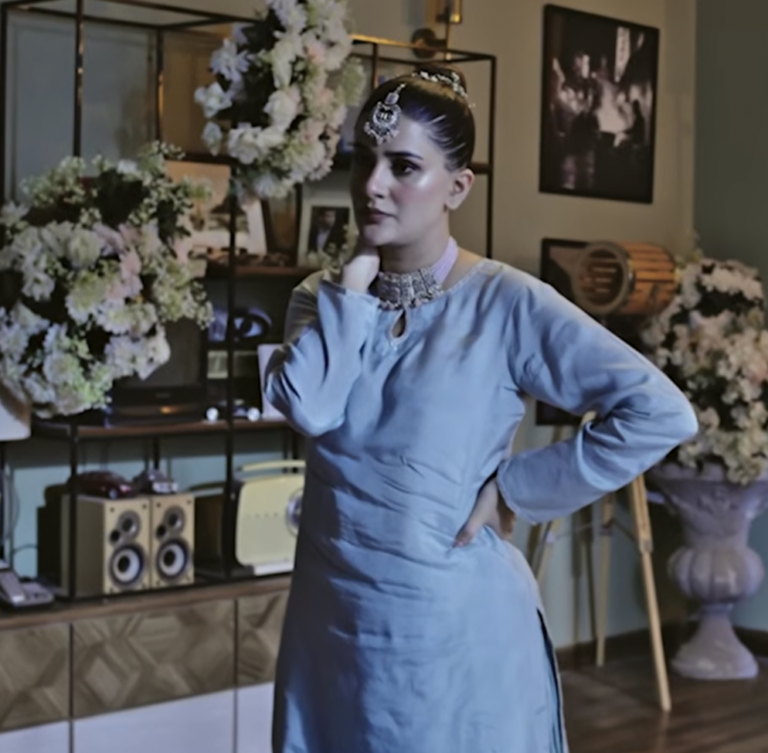
Recently married Faryal (Dania Enwer) briefly separates from her husband, Shuja, due to his infidelity. Her parents (Faran Tahir and Naveen Naqvi) are initially supportive, but her grandmother’s (Saba Hamid) immediate response is that “girls these days” are too quick to leave and her parents, “as parents of a girl,” should reconcile the couple.
The grandmother does not seem particularly interested in why Faryal wants to leave, what conditions she was living in, or what her husband had done. It does not matter if she has a good marriage. What matters is that Faryal is married and the institution of marriage must be preserved, sometimes at the expense of the people in the marriage.
When Faryal discovers she is pregnant, her family is even more insistent that she return to her husband, even while her father acknowledges that Shuja is unlikely to change and the burden of keeping the family together is solely on Faryal.
Patriarchy Calls It Family Values
This narrative is mirrored in Saba Faisal’s comments, where she wishes further suffering on divorced families. Shaming and shunning people into desired behaviour is not a very effective technique, but even if it was, why is the focus on divorcees? If the goal is to prevent divorces, shame cheaters and abusive spouses. Earlier this year, in another TV show, Saba Faisal defended philandering husbands and advised wives to tolerate infidelity. Divorce is treated like the disease when it is really the end result. Meanwhile, infidelity, abuse, and neglect are really what destroy marriage, and yet we are quick to normalize these behaviours.
People hide behind the guise of family values, but their actual priority is external validation and perception.
If the real goal was to prevent divorces, these people would advocate for equality and safety within marriages, couples counselling, and anger management. But they do not actually care about families; they just want to continue the status quo and sustain patriarchy.
There is something deeply inconsistent about what we choose to call the destruction of a marriage. No one who chooses to get married wants a divorce. It is never an easy decision and often a last resort. Fictional characters in dramas and actors with large platforms perpetuating archaic beliefs might be causing more damage to society than any person who happens to get a divorce.