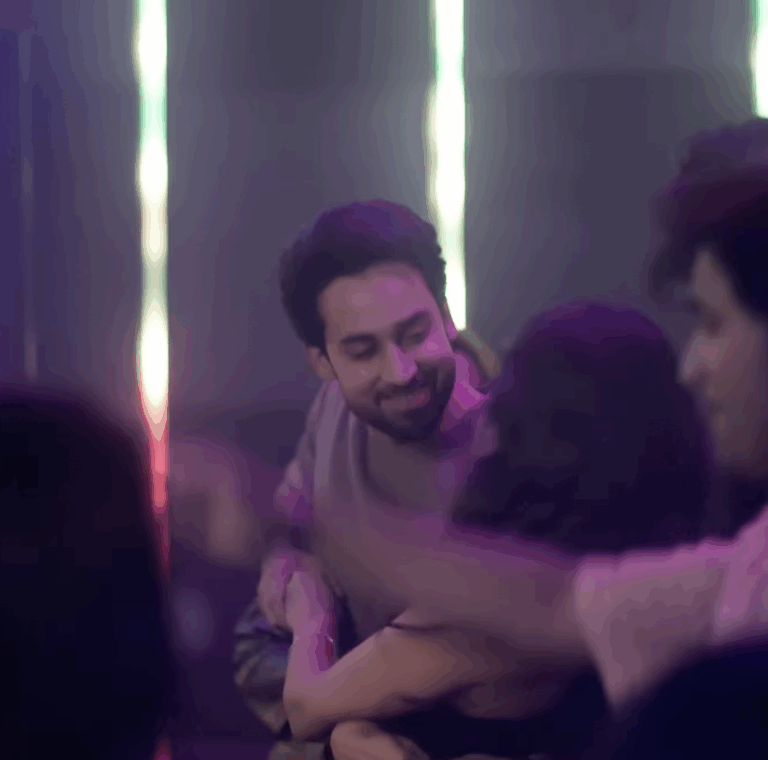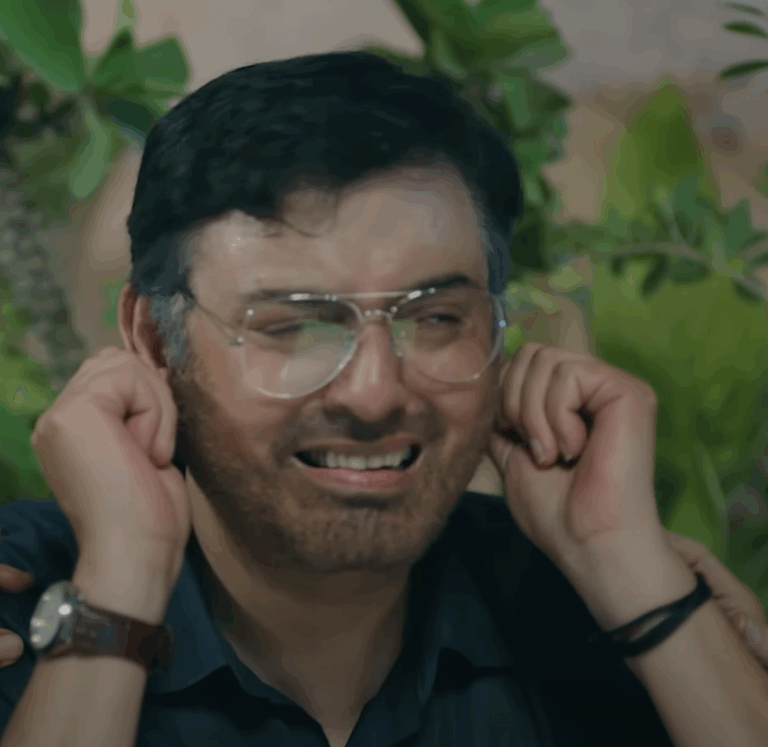
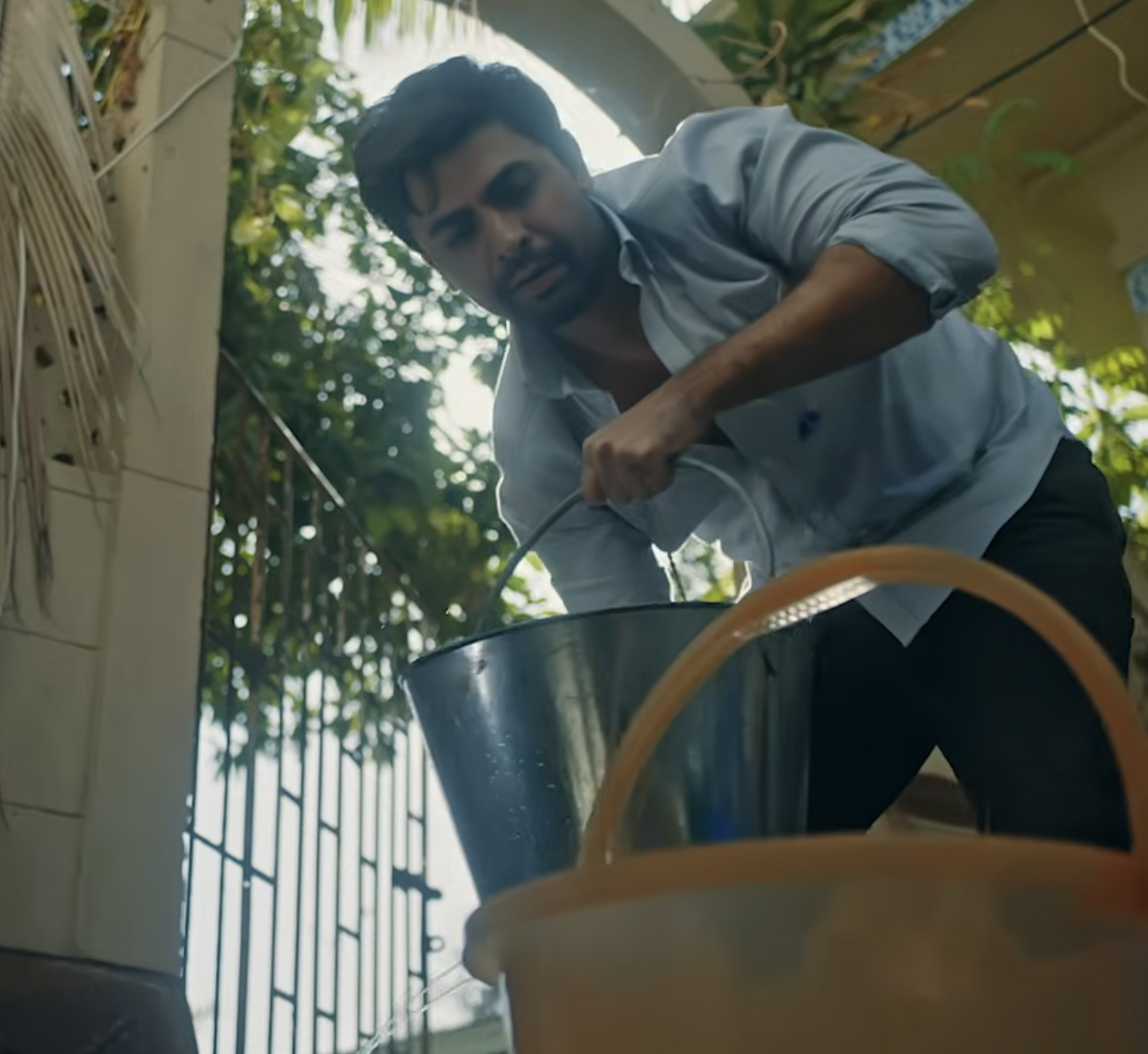


ARY’s new drama serial Bas Tera Saath Ho turns the damsel-in-distress trope on its head. Farhan Saeed plays Anas, an oppressed orphan who dutifully obeys his wealthy uncle and aunt, with only his ailing grandfather seemingly offering any real sympathy. In true Cinderfella fashion, Anas has been reduced to a servant in his own home, acting as driver, errand boy, and cleaner. Years of humiliation have all but destroyed his self-esteem, which may explain why this grown man continues to endure constant verbal abuse and taunts.
His cartoonishly wicked aunt, played by Saba Hameed, repeatedly demands to know when he plans to move out. As viewers, we’re left asking the same question: why doesn’t he?
The show’s supposed allies, however, are almost as frustrating as its villains. Anas’s grandfather, despite witnessing his treatment firsthand, casually suggests that he marry his cousin Shareen (Zoya Nasir) as though marriage is a practical solution for a man who doesn’t even have control over his own living situation. Is Dada genuinely clueless? Perhaps he is choosing comfort over confrontation. Phupo fares little better. She pays for Anas’s education and clearly knows he is being mistreated, yet does nothing meaningful to intervene. Their sympathy feels less like protection and more like passive guilt.
The comparisons to Mere Humsafar are inevitable. That drama also centered on a bullied orphan, with Hania Aamir’s Hala trapped in an abusive household. But where Hala had no real means of supporting herself, Anas clearly does, making his passivity harder to ignore.
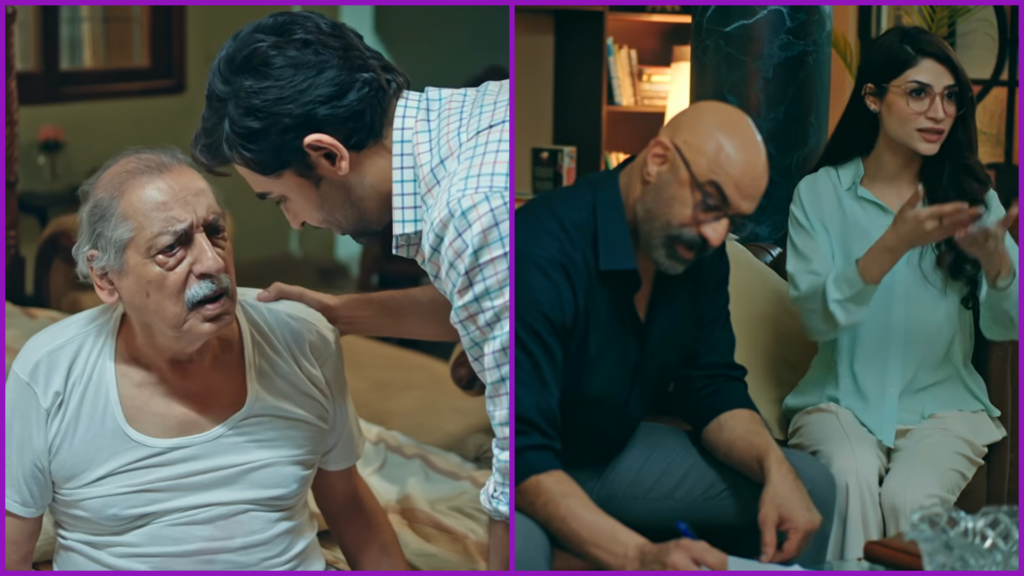
While his spoiled cousins waste money on shopping trips and parties, Anas quietly excels. He studies hard and is at the top of his class at university. There, he befriends the fiery Ansa, who places second. Like Anas, Ansa is also an orphan navigating an uncooperative family and financial dependence. The difference is that Ansa (Sana Javed) does not confuse dependence with submission.
The plot takes a darker turn when Chachu, played by Faran Tahir, has Anas arrested for a hit-and-run accident. The crime was actually committed by one of the cousins, but Anas, as always, is the easiest scapegoat.
From the moment Anas is framed, it becomes clear that she has no intention of standing by while injustice plays out before her. Ansa appears poised not only to get him out of jail but perhaps to save him from an entire lifetime of learned helplessness and misery. Financially dependent like Anas, Ansa still has something he has long been stripped of: a backbone.
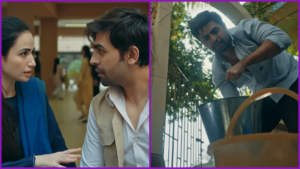
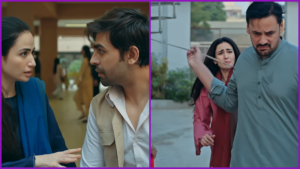
There is something undeniably fascinating about seeing a male lead inhabit a space usually reserved for women in Pakistani television.
When Hala was bullied, her lack of financial independence and societal standing in a patriarchal framework made her “imprisonment” feel like a tragic necessity.
Anas clearly has skills. He can drive, manage a household, and is a man in a society that still affords men far more mobility than women. The “Cinderfella” trope hits a snag when the protagonist has the keys to the car but refuses to drive out of the driveway.
Still, amid emotionally unavailable alpha males and recycled toxic machismo, Farhan Saeed’s vulnerability stands out.
There are dozens of dramas where a man saves a woman from misery; it is important to show the reverse, a woman saves a man who has forgotten how to save himself, not as a manic pixie dream girl or a muse, but as a strong character acting from her own agency.