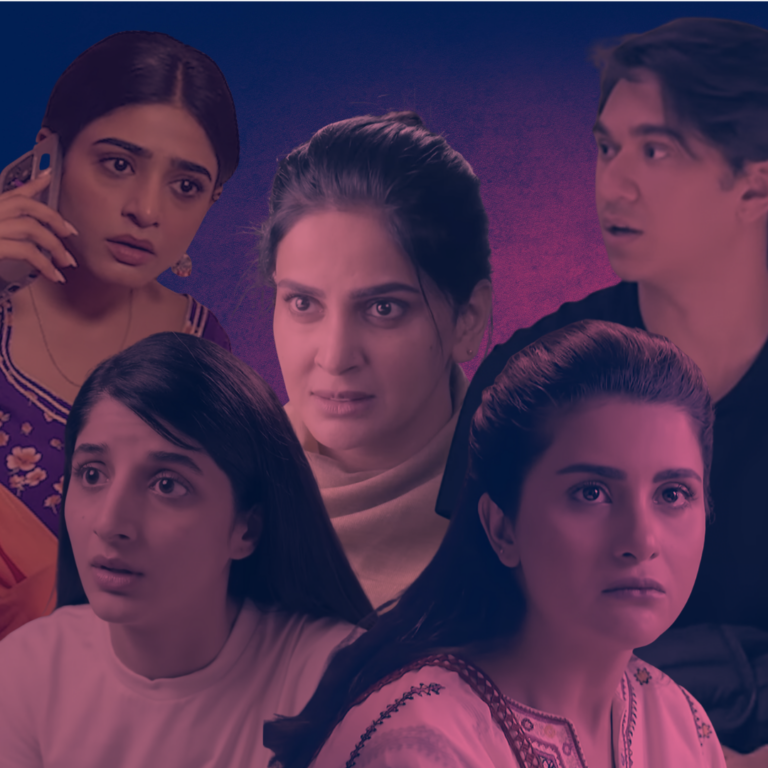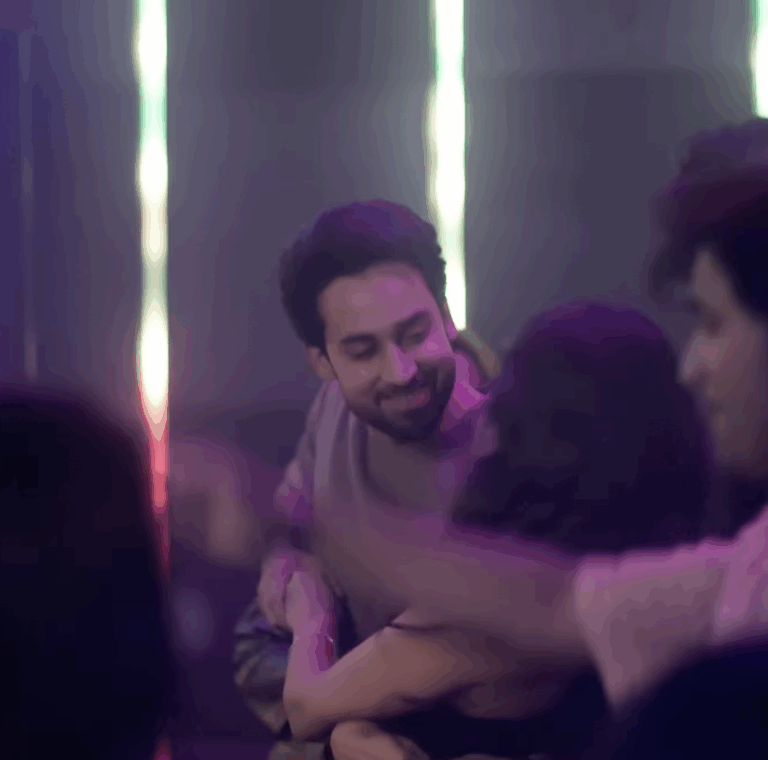
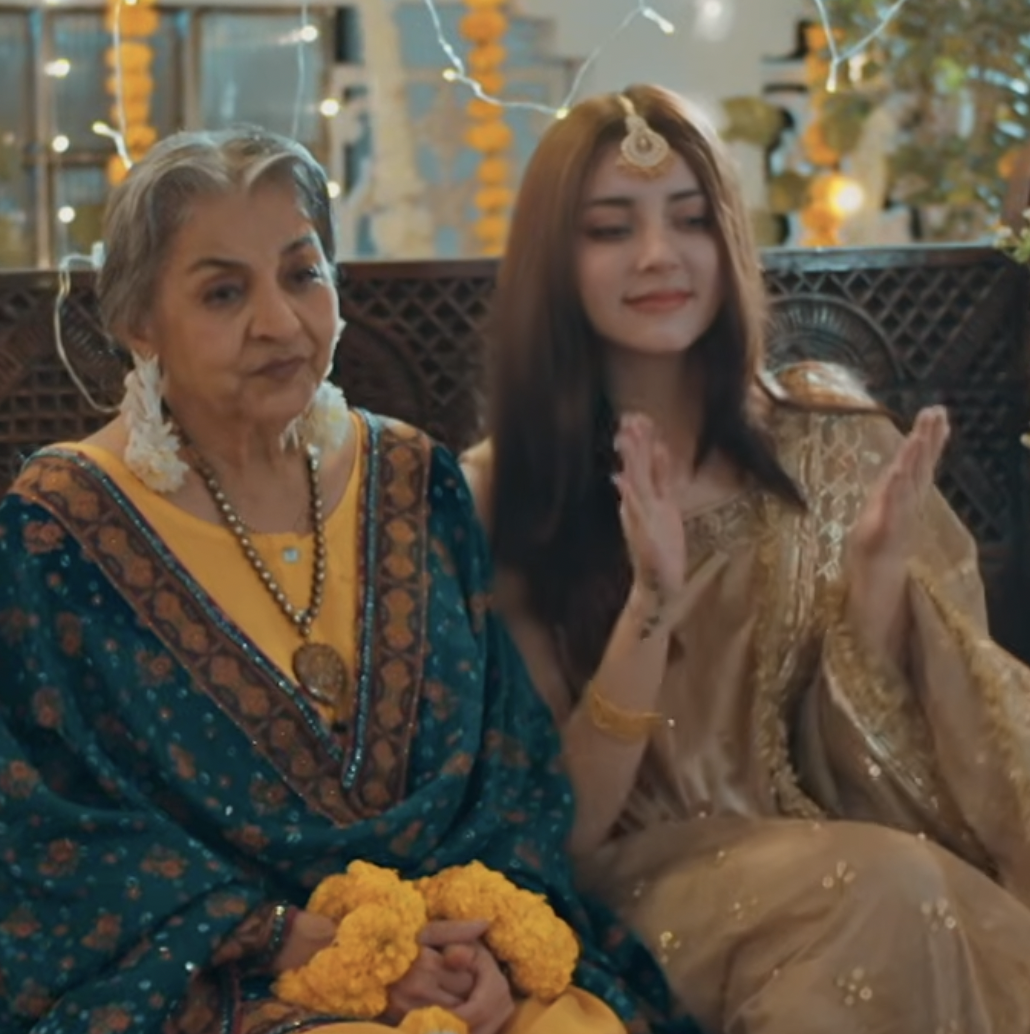


Dadi Ki Shadi presents a lonely grandmother who pretends to be mysteriously unwell to pull her scattered family back into the same room. Dadi (Shamim Hilaly) is far from fragile. She is full of vigour, goes on walks, carries a rifle, and even confronts robbers herself. Yet her energy is largely wasted, flattened into a story more interested in convenience than character. She conspires with her loyal butler Achan to stage a complex deception so her bickering children will stay with her for Eid, but her plans somehow drift toward matrimony.
This Eid special on ARY Digital, directed by Rao Ayaz and written by Omer Kazi, has all the ingredients of a classic feel-good holiday comedy. A vivacious, gol-gappa-chomping Dadi dons an oxygen mask and pretends to be unconscious. Voila. The estranged son and daughter appear the very next day. We learn very little about their long-standing conflict. After rounds of petty arguments and name-calling, it emerges that Dadi’s daughter Anila has refused to speak to her brother for years because he sold the family gold without her consent. How is this complex issue of inheritance resolved?
A simple desi totka. Shaadi kara do.
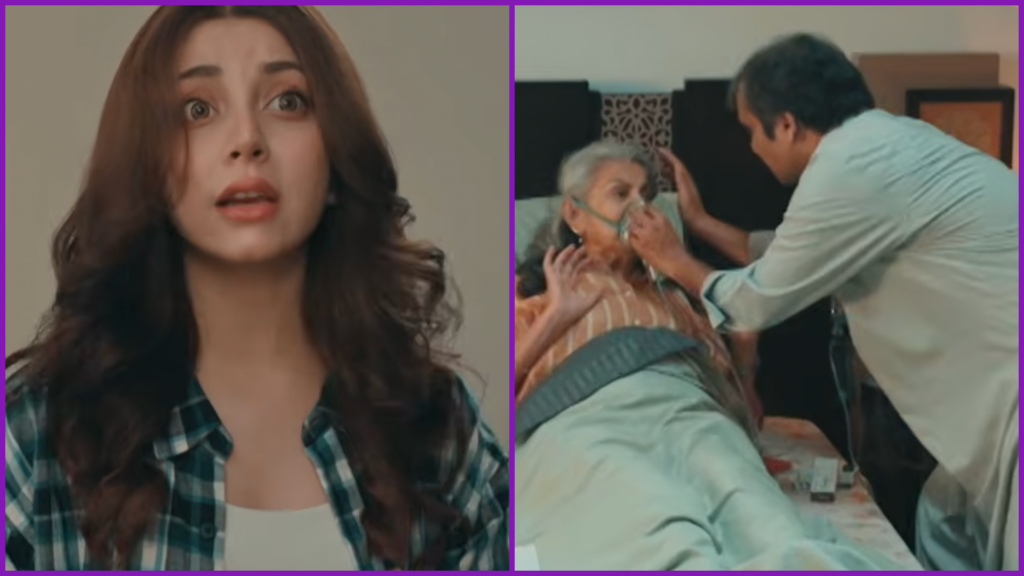
The title suggests a different kind of story, one that might question social norms or imagine autonomy for an elderly woman. No such luck. The shadi in question belongs to her photogenic, age-appropriate grandchildren, played by Aleezay Shah and Ahmed Randhawa. The idea of Dadi remarrying is played for laughs and quickly dismissed. At one point, Dadi herself reinforces this boundary, invoking the memory of her late husband as a moral line she cannot cross.
The only acceptable shadi is the one Dadi engineers.
Despite being the title character, Dadi remains unexplored in her own story. Her loneliness is acknowledged but never meaningfully examined or resolved. Her elaborate scheme never fully registers as anything beyond a convenient mechanism to gather people in one place. By the end, the central problem the film introduces, Dadi’s isolation, remains unchanged.
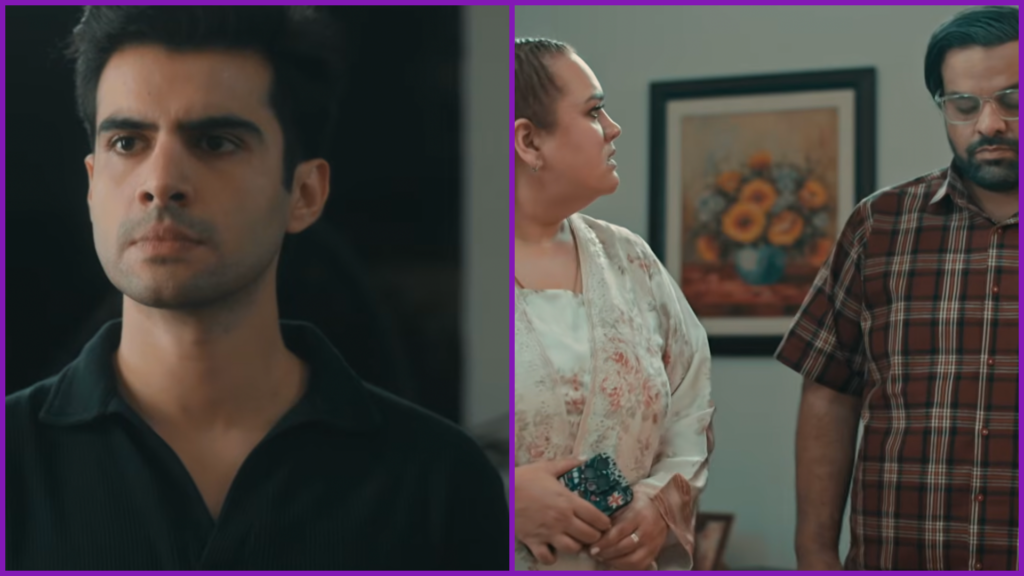
The granddaughter Zara is a bright fashion student and briefly seems to offer the film a more progressive voice. She supports the idea of Dadi finding love, sets up a matrimonial profile, and even finds a prospective groom. For a moment, the film appears to lean into something more thoughtful, more generous. But that possibility collapses just as quickly. The reveal undercuts it all. Zara was in on the con from the beginning. Dadi’s shadi was never real, only a ruse to get everyone back in sync.
What could have been a story about late-life autonomy, unresolved family fractures, or sibling love instead circles back to the safest possible conclusion. Everyone is gathered, a wedding takes place, and nothing truly changes. Eid Mubarak with a dash of mediocrity.