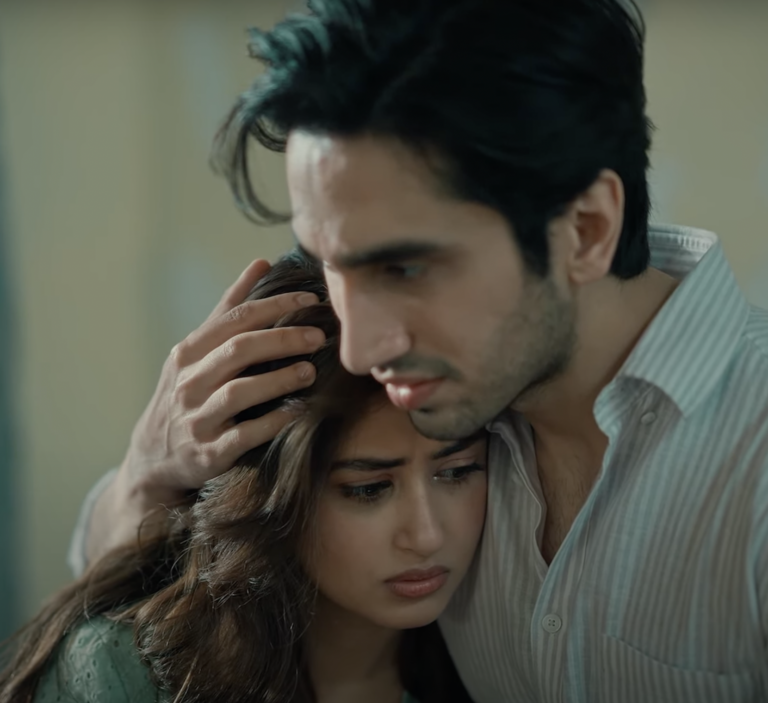


I admit I came late to political thriller Leader. It’s not packed with big-name stars or viral reels. But this heartbreaking story of an idealistic young activist Mansoor’s descent into political manipulation, is darkly relatable.
Hum TV’s Leader quickly strips away the romance of revolution. By episode ten, the drama is not hiding behind heroic slogans or campus idealism. It unveils what happens when political movements begin feeding on the very young people who believe in them most.
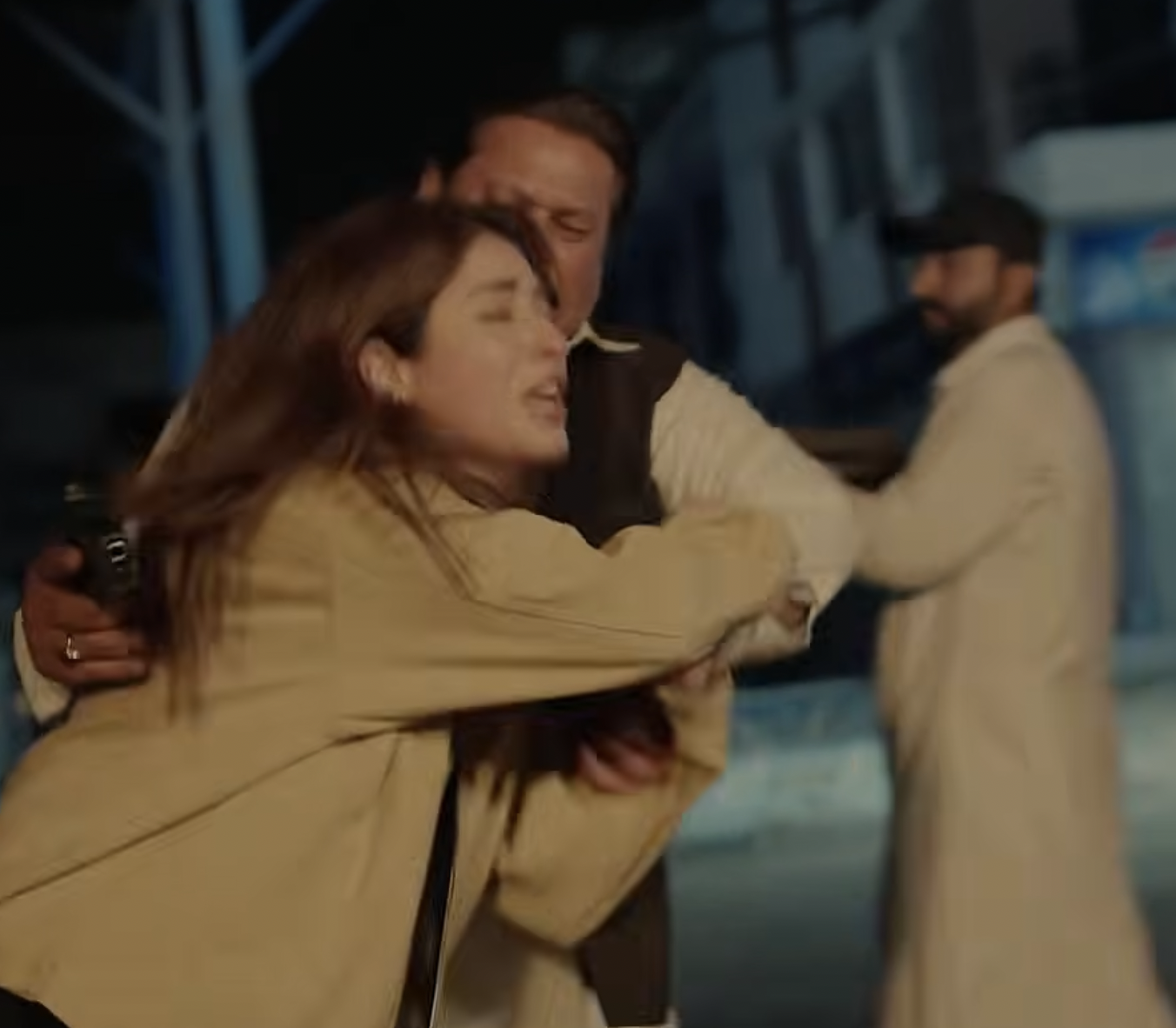
The murder of sweet and innocent Shahida completely changes the emotional temperature of the show.
Until now, Mansoor still carried a fragile belief that sacrifice for a greater cause eventually leads somewhere meaningful. But her death exposes the brutal reality underneath the speeches and banners. Poor people suffer while powerful men transform grief into political ammunition.
That is what makes Leader surprisingly intelligent compared to most Pakistani dramas currently on air.
The series clearly draws from the long history of student politics in Pakistan, where student unions once played a major role in resistance movements, from opposing military dictatorships to organising progressive activism on campuses in the 1960s and 70s. There is even something reminiscent of the way political parties historically cultivated student wings, turning youthful idealism into machinery for larger power struggles. Leader understands that history without turning into a lecture.
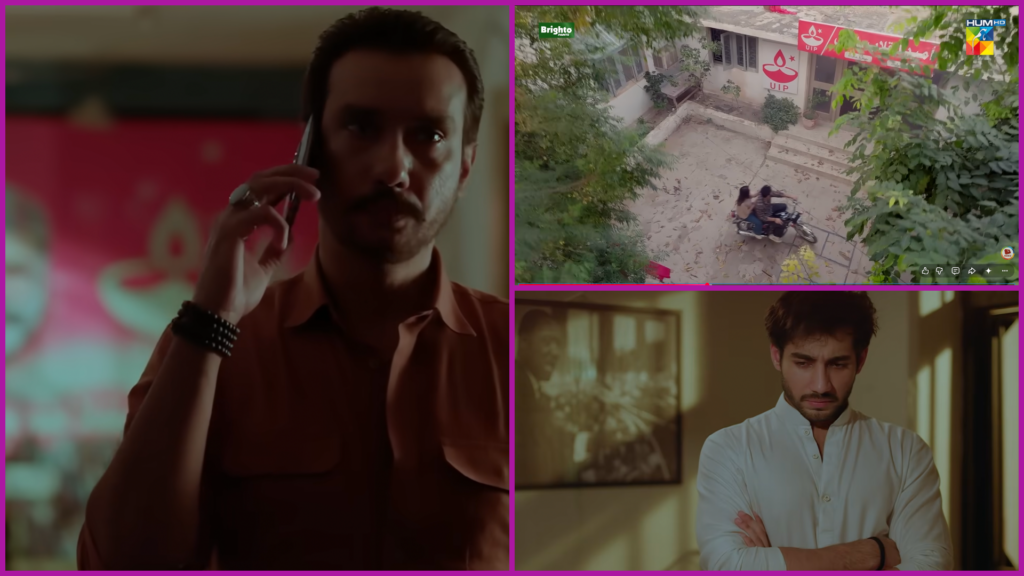
At first, the UIP party leader, Dada Sahab, feels inspirational. He speaks the language of resistance, revolution, and sacrifice. The imagery around him is deliberate. The portrait of Martin Luther King Jr. hanging behind him creates the illusion of moral legitimacy. Red flags and calls for socialist values emulate the ideology of student political groups. But the drama slowly reveals how authoritarian he actually is. He hacks Mansoor’s phone, tracks his movements, manipulates his emotions, and demands total obedience in the name of the movement.
It becomes clear that Leader is not criticising one political ideology. It is criticising the culture of blind devotion itself.
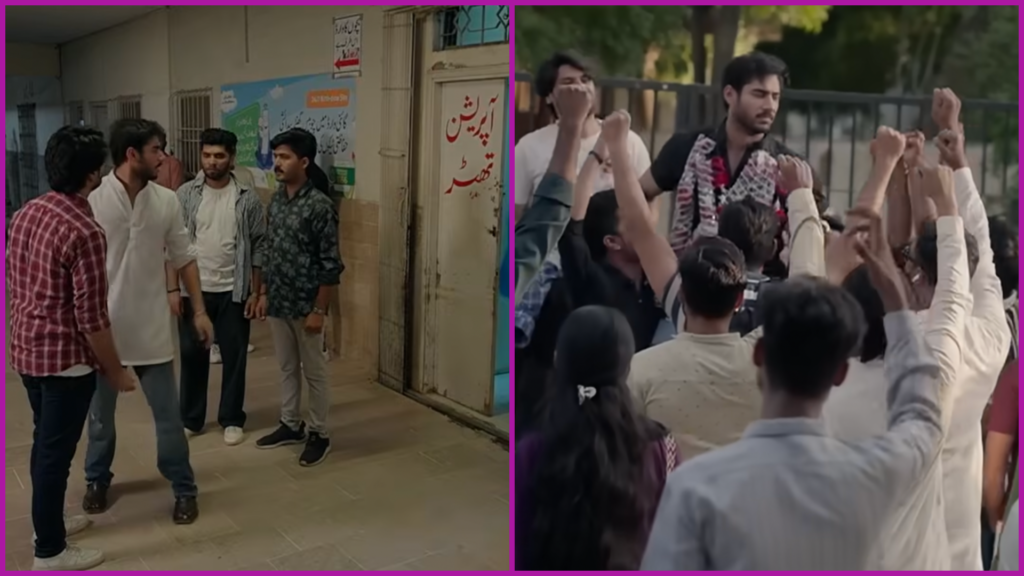
Perhaps, Mansoor’s father was right all along.
There is no justice for the poor inside systems built by powerful men. Whether it is feudal politics or revolutionary politics, ordinary people remain expendable.
What makes the show stronger is that it refuses easy binaries. Agha Sahab is corrupt and power hungry, but Dada Sahab is hardly a noble alternative. Both men want control. Both manipulate followers. Both are willing to sacrifice young people for revenge and political gain. The earlier warning from the canteen worker now feels incredibly important because the drama keeps insisting on one thing: stop worshipping leaders.
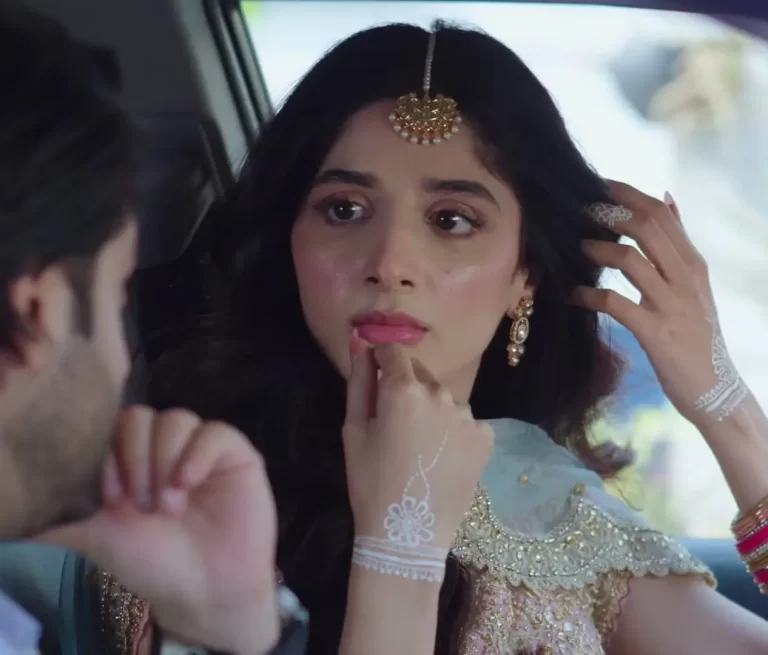
Refreshingly, the romance between Mansoor and Rubab works because it refuses to dominate the narrative. In most dramas, the political conflict would eventually fade to the background of the love story. Here, their relationship is a subplot. They care about each other deeply, but they also remain connected to something larger than romance. Rubab, being the daughter of a feudal politician while secretly participating in a rival political movement, adds genuine tension to her character instead of turning her into a one-dimensional love interest.
Ali Raza continues to carry the emotional weight of the show. Mansoor’s gradual disillusionment feels painfully believable. Kinza Hashmi is also far better here than in many of her previous dramas because the writing finally gives her something layered to work with.
The pacing is another reason the drama works. Twists constantly unfold, but they do not feel cheap. Every new revelation pushes the political paranoia further. Even Ali Safina’s police officer, with his media manipulation and calculated manoeuvring, adds to the sense that every institution in this world is compromised.
At this point, Leader is easily one of the better Pakistani dramas currently airing. It is angry, politically aware, and timely. Most importantly, it trusts viewers enough to ask uncomfortable questions about power, loyalty, and whether revolutions can survive the people who lead them.