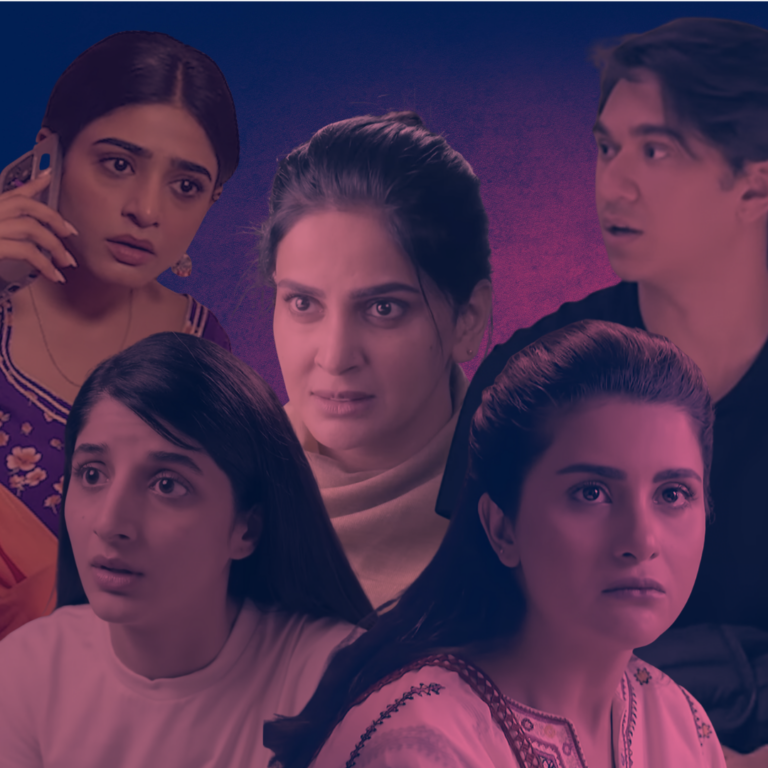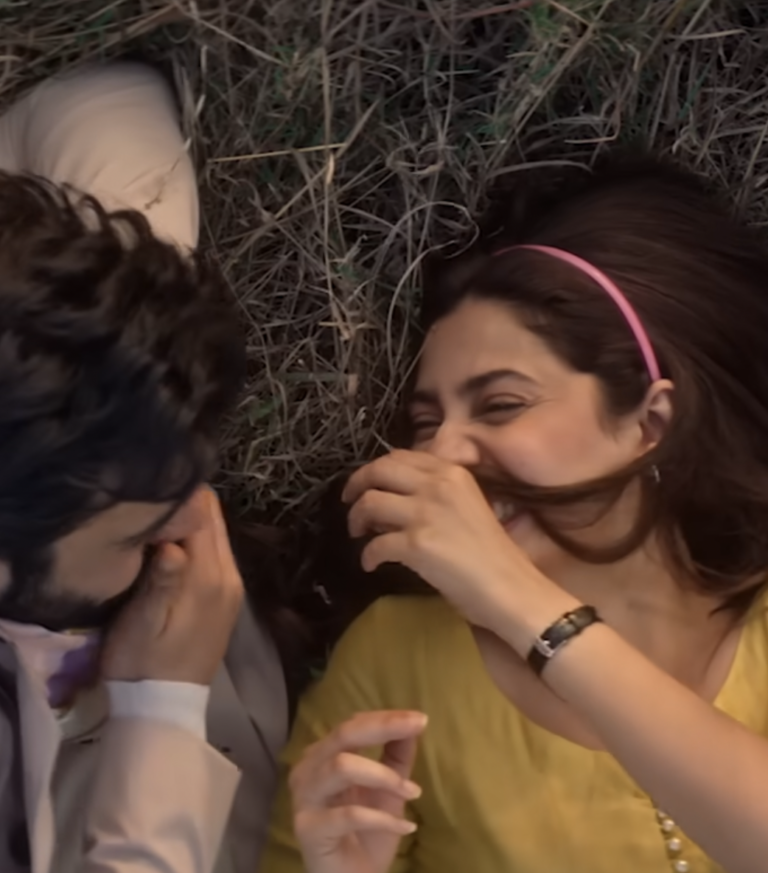


Sometimes Pakistani films are slotted into one of two lanes: the raucous crowd pleaser or the grim award contender. “Mera Lyari” breaks this trend as a simple, heartfelt movie that uses the rhythms of sports drama to tell a deeply human story about a young girl surrounded by misogyny.
The film follows teenage footballer Afsana Baloch (Dananeer Mobeen) as she struggles to pursue her dreams amid domestic abuse, social conservatism, and the suffocating expectations placed on girls.
Like its protagonist, the film is hopeful, sincere and resistant.
Afsana’s dreams clash against a stifling environment where football becomes her lifeline, a way to carve out joy from what could otherwise become a dreary existence.
Written and directed by Abu Aleeha and executive produced by and co-starring Ayesha Omar, the film tracks Afsana’s journey alongside former football captain and current coach Behnaz Hussain (Omar), who returns to her hometown of Lyari to scout talent for the national team, hoping to give girls like Afsana opportunities that were taken from her.
Aleeha crafts a charming and earnest tale imbued with such sensitivity and local detail that you cannot help but care for these characters.
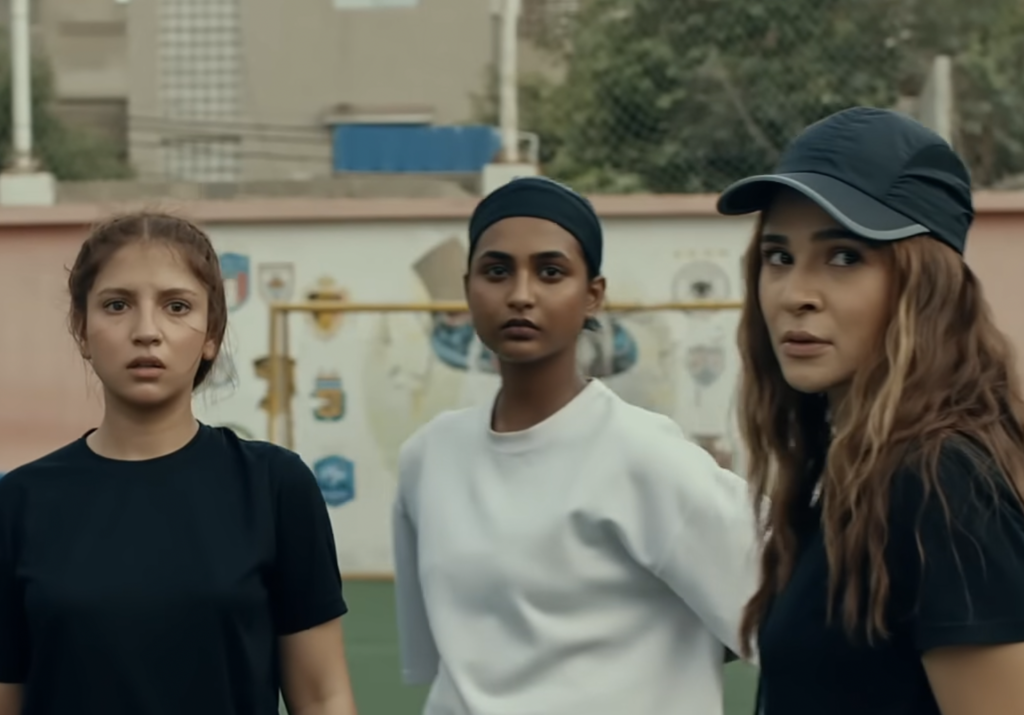
Afsana is not flighty or naïve. She knows girls in her neighborhood are likely to be married young and against their will. Rather than grandly resist fate, she focuses on preserving moments of happiness in the present. Dananeer Mobeen perfectly captures the spirit of a girl who finds pleasure in small things like extra chatni on her samosa, teasing her mother, joking with her best friend, and most importantly, playing football.
Surprisingly grounded and emotionally real, the movie balances inspiring wish fulfillment with a textured portrait of children living with abuse.
Like the best sports films, the victory on the field is secondary to the moral victory. Ostensibly, Afsana needs to win a match to qualify for the national team, but what she really needs is her family’s support.
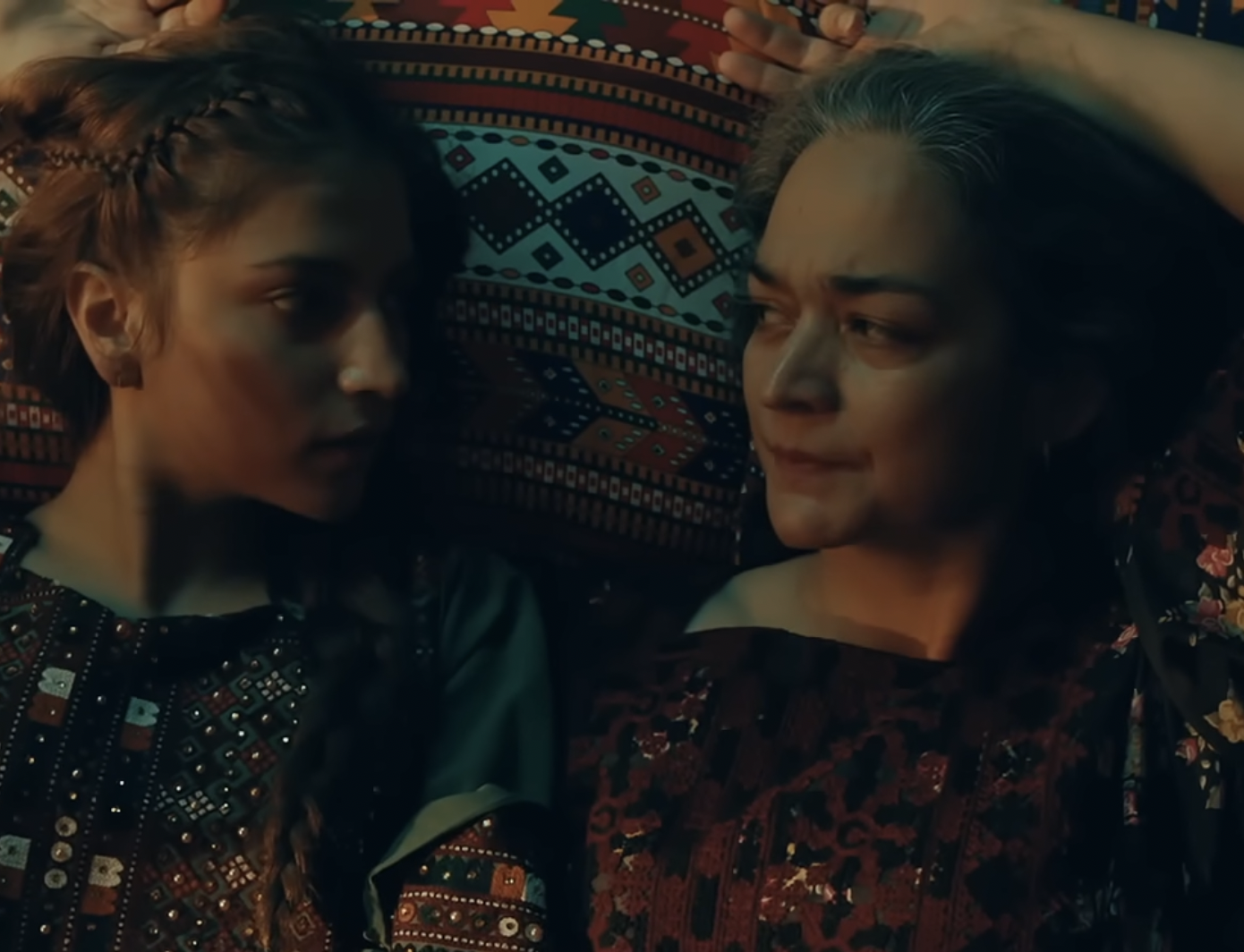
Samiya Mumtaz as Afsana’s mother Shakira Baloch, delivers a near-wordless performance that is powerful in its lack of power. When existing as a woman is treated as a crime, Shakira seeks “redemption” by trying to conceive a son after two daughters. She makes herself smaller to appease her husband, not realizing that this also diminishes her daughters.
The tender relationship between Afsana and Shakira provides an emotional anchor for the film, culminating in a pivotal scene where Afsana calls out her mother for failing to protect her. It recalls a similar moment in last year’s “Parwarish” where Maya confronts her mother for the same silence. These instances are not about blaming the victim (it is not the mother’s fault that the father is abusive) but about countering the narrative that women have been fed that they need to tolerate abuse for the sake of their children. Children are making it loud and clear that this compliance helps no one.
Afsana speaking up for herself allows Shakira to access a reservoir of strength and courage she forgot she had.
While the mother-daughter bond is the heart of the film, the supporting characters add texture that makes the world feel lived in. Fatima, Afsana’s younger sister, seems to live in her own universe, scribbling on walls and drifting through scenes until we notice her silently witnessing violence from behind a curtain. Kashmala (Trinette Lucas), Afsana’s best friend and co-conspirator, may have an even more precarious future than Afsana. Even Adnan Shah Tipu’s sleazy neighbor character adds a layer to the world as the film casually reveals that he is a child molester.
No matter how hopeful the story becomes, it never lets us forget the brutal realities these girls inhabit.
This tension is most fully embodied by Afsana’s father, Arif Baloch, played with equal parts menace and vulnerability by the brilliant Nayyar Ejaz. As a rickshaw driver in Lyari, he spends his days dealing with harsh people who humiliate him and sometimes refuse to pay him. He is trapped in the same suffocation environment as everyone else. His frustration spills onto his wife and daughters, rendering ordinary domestic scenes terrifying. In a country where news of women being killed over domestic disputes appears with horrifying regularity, hearing Arif scream that his dinner is late immediately triggers panic.
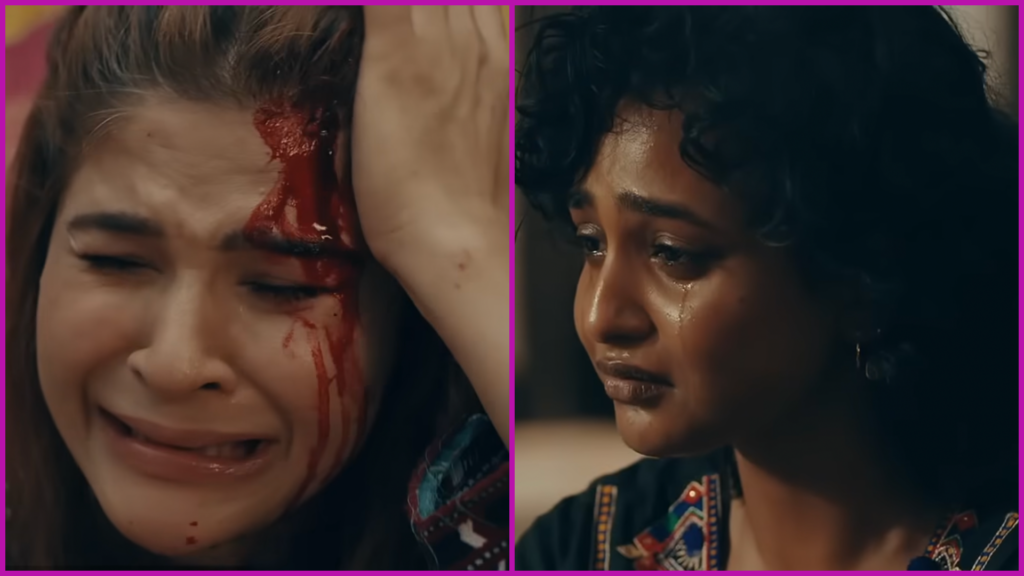
While society increasingly teaches women to be strong and independent, it still has no language for teaching men how to coexist with women who are no longer subservient. “Not all men” has never been the issue. We know supportive fathers exist, many of Lyari’s actual female footballers have them. There are men like Abu Aleeha, choosing to make a movie like this in Pakistan where there is little commercial incentive for such women-centric films.
The question is how does a father who threatens his daughter with lynching, transform into a father that cheers from the bleachers.
The answer is never delivered. Arif’s about-face feels somewhat unearned and unsatisfying. The naturalistic, unassuming storytelling gives way to plot contrivance and easy wins. Afsana needs a moral victory, so her father suddenly starts to support her. But we never really get to see how and why.
Perhaps this is less of a screenplay problem and more of a reality problem. Is there a realistic way to deradicalize misogyny? Can cinema only offer wish fulfillment? Significantly, even at his most supportive moment, Arif celebrates Afsana for carrying his name forward. He still sees her as an extension of himself and a representation of his family rather than a full human being in her own right. Maybe the answer is that men like him can be best reached through ego and self-perception.
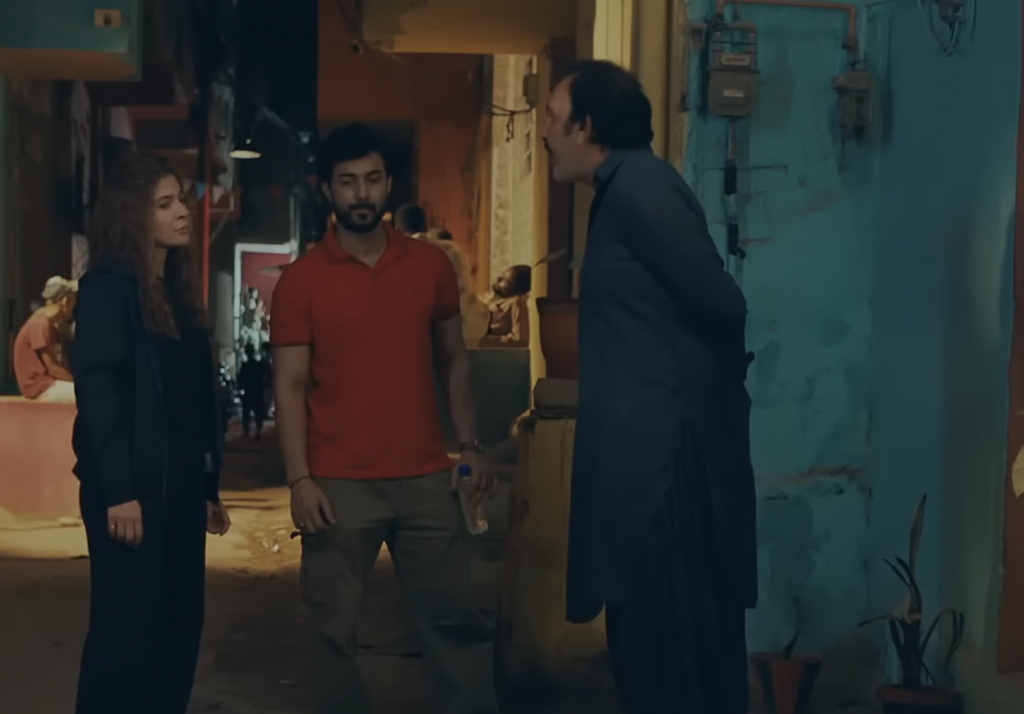
Paras Masroor as Behanz’s ex-husband is an example of a man whose ego could not withstand his wife’s success as football captain. He beats her until he breaks her leg, and when we meet her, she walks with a cane but always stands tall. Behnaz may have lost her ability to play but she gains a determination to prevent history from repeating itself. She returns to Lyari not as a foreign savior but as someone finally healing her younger self by helping girls like Afsana and Kashmala.
The residents of Lyari do not need outsiders to rescue them. Whether through football or music, or other pursuits, they are finding ways to reclaim dignity and visibility for themselves.
What they need is to be seen and acknowledged, and Mera Lyari is a meaningful step in that direction.
Technically, the film is uneven, but ambition matters as much as execution. Mera Lyari’s emotional honesty and cultural specificity give it value that many more polished films lack. Grounded and local, it is less about triumphant spectacle and more about giving girls a space to dream. I would rather watch a messy film reaching for something real than a technically perfect one that makes you feel nothing.