


How does a lost man find something to live for when he has lost all direction?
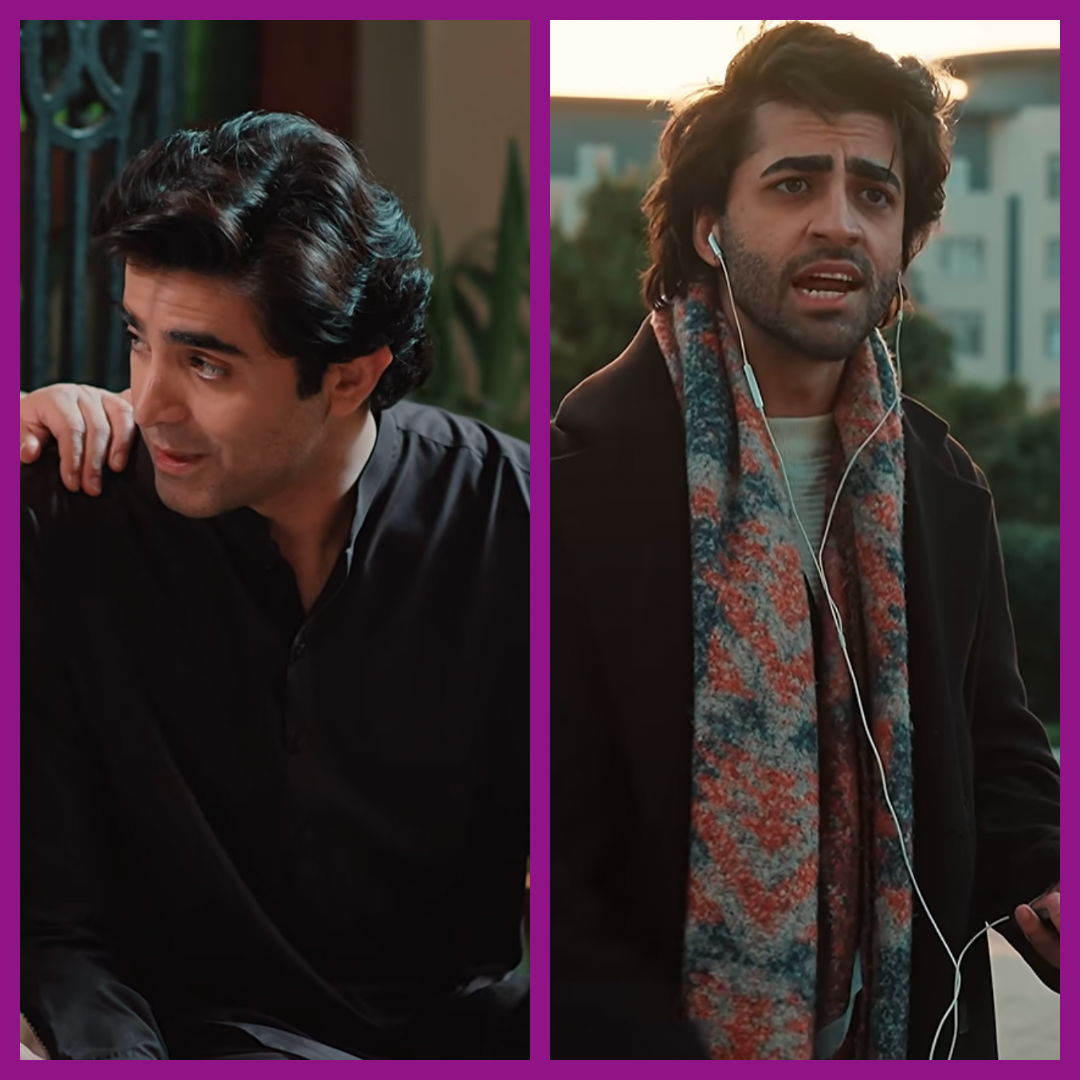
Zamil is arguably the character you are most likely to dislike in Dar-e-Nijaat, and also its most interesting one. He is the kind of man who makes you want to yell at the screen as he rolls his eyes, throws out another passive-aggressive barb or finds someone else to blame. But beneath the arrogance is something more recognisable: a deeply lonely man who has spent years pursuing the things he was told would make him happy, only to discover that academic success, money and hedonistic pleasure have left him hollow.
Religion gives Zamil something that achievement no longer can: a sense of purpose. But this is not a heartwarming tale of his spiritual awakening. Zamil’s turn towards faith feels sincere, but it also feels like the latest arena in which he can compete. If he cannot be more successful than Zaryab or Abu Bakar, perhaps he can be more righteous.
He is in desperate need of validation.
Dar-e-Nijaat is at its most interesting when it puts Zamil and Abu Bakar side by side. On paper, Abu Bakar is the obvious man to root for: dependable, religious, compassionate, and apparently capable of solving every problem that comes his way. Yet it is Zamil who makes for the more compelling character.
What makes Zamil interesting is that he falls. He makes mistakes, tries again, and asks God for forgiveness. But even as he searches for redemption, he is increasingly judging and demonising anyone who does not follow the same path. His faith is becoming tangled with his need to feel superior. The irony is that while he is learning to seek forgiveness for himself, he seems unwilling to extend grace to others. That contradiction gives him an interior life that Abu Bakar simply does not have.
He Who Will Cast the First Stone
Nameer Nawaz deserves much of the credit for making this complexity visible. He does not play Zamil as someone who has suddenly become cruel. He is frightened of being ordinary, frightened of being wrong, and torn between his new and old self.
Consider the scene where Zamil screams at Zaryab and blames her for dragging him onto the wrong path. He will not take accountability for his own choices and shifts blame to the closest target. His inability to genuinely celebrate Zaryab’s Harvard success cuts to the core of his insecurity. His faith may change his vocabulary but it has not yet transformed his ego. He will accuse her of living in sin but not initiate a nikkah.
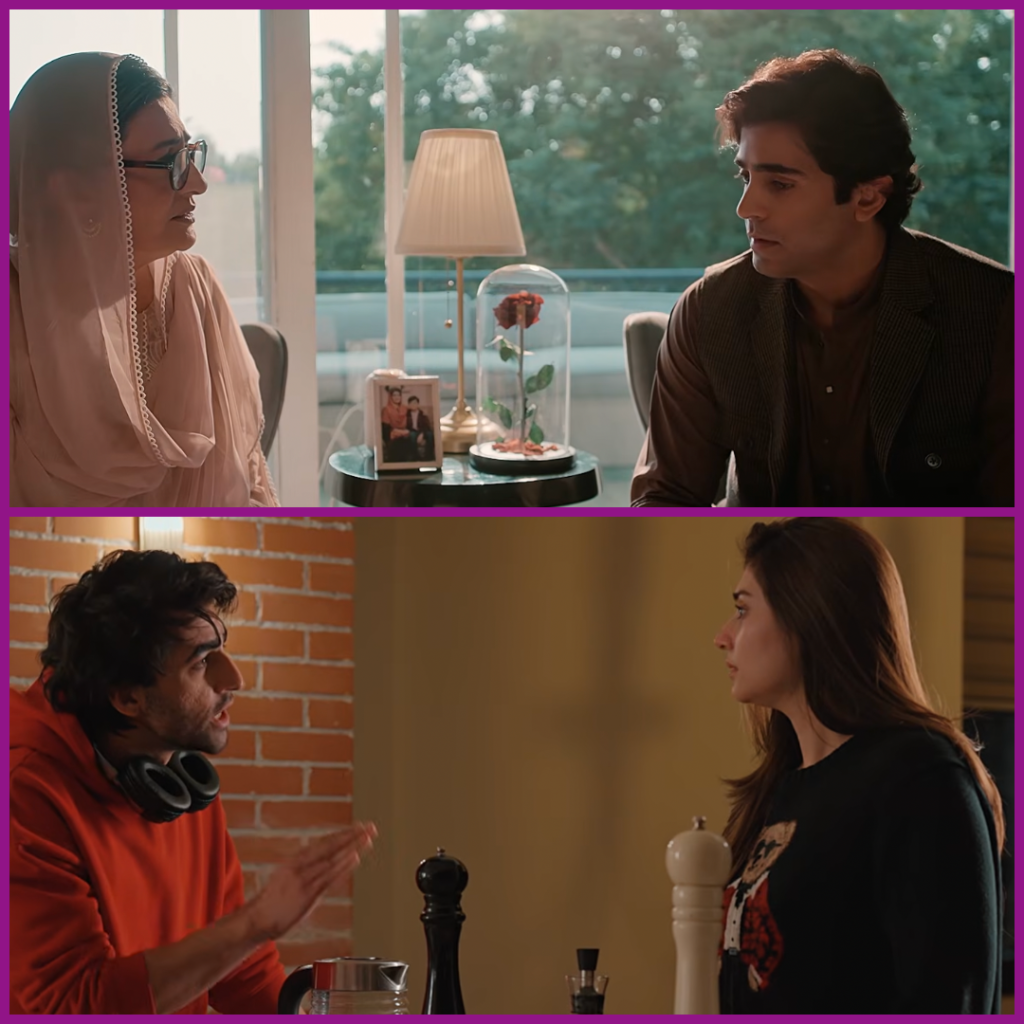
The same contradiction appears in his response to Zaryab’s sister’s divorce. Zamil largely dismisses her crisis, while Abu Bakar is (oddly enough) attempting to mediate. It is an important contrast between the two men. Abu Bakar’s religion manifests through service; Zamil’s manifests through judgment. One asks what he can do for another person. The other asks what that person’s choices say about their moral worth.
This is what makes Zamil more compelling than the ever virtuous Abu Bakar. Zamil is not a straightforward redemption story. He is a man discovering religion while still carrying all the insecurities, resentments and competitiveness that made him unhappy in the first place. His faith is genuine enough to make him want to change, but his ego is powerful enough to distort that change.
Choosing God or following rules
Placed beside Zamil, Abu Bakar becomes almost too perfect. He is *Dar-e-Nijaat*’s Superman: when there is a broken pipe, a housing problem, a girl being blackmailed or a family in crisis, he somehow has the answer. Even when Zaryab’s sister’s marriage collapses, he is the one willing to mediate.
On paper, he is everything Zamil is not: dependable, compassionate, emotionally steady, and religious without being visibly consumed by his own righteousness. Yet that perfection makes him less interesting. Abu Bakar rarely has to confront himself.
Zamil, meanwhile, keeps failing. He makes mistakes, becomes angry, judges others, tries again, and asks God for forgiveness.
The irony is that Zamil may actually be learning the harder lesson. Asking God to forgive you is one thing; learning to extend that forgiveness to other people is another. It is easy to perform piety when everyone is watching. It is much harder to become generous when someone else’s success exposes your own insecurity, when another person’s divorce challenges your prejudices, or when accepting responsibility means admitting that nobody else “dragged” you onto the wrong path.

The women caught between them
Zaryab could be the emotional bridge between these two versions of masculinity, but Durefishan Saleem’s weak performance often breaks the momentum. She knows Zamil is a red flag but is too co-dependent to leave him. Yet the performance does not always communicate the force of that internal conflict, leaving the audience to do too much of the emotional work.
The older women fare little better. Saba Hameed’s dadi and Sania Saeed’s mother figure should embody the wisdom and complexity of experience, but both remain remarkably flat rather than wise. They do not have enough contradiction, history, or emotional interiority to make that authority convincing. For actresses of their calibre, reducing them to narrative functions feels like a waste of talent.
Still, the drama’s strongest idea remains its two men. Abu Bakar represents the reassuring version of religious masculinity: useful, composed and morally legible. Zamil represents the messier reality of spiritual transformation, a man who desperately wants to become better but has not yet figured out how to stop making everything about himself.
Perhaps that is why the man you want to hate is ultimately the one worth watching. Zamil has not found salvation so much as he has found a new language for searching for it.
The drama’s most interesting question is not which of these two men is better. Zamil is still becoming; Abu Bakar has already arrived. And sometimes, in a story about faith and morality, the man who keeps falling is far more interesting than the man who never does.