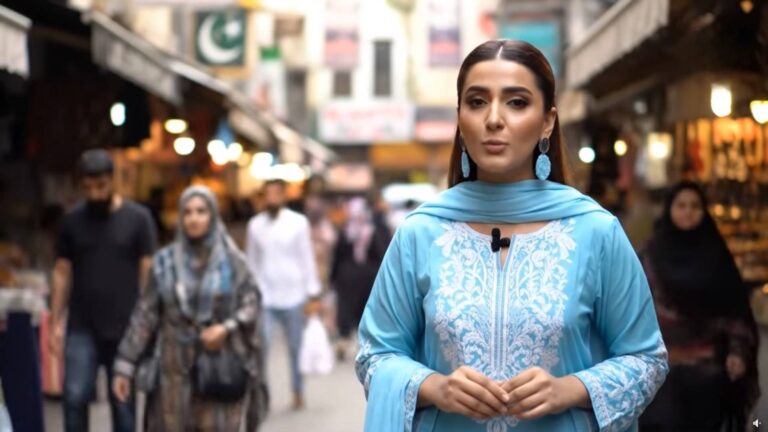


Elaichi, Loung aur Saunf is a short film on Meem Kahani about bad breath, conformity and the marriage market.
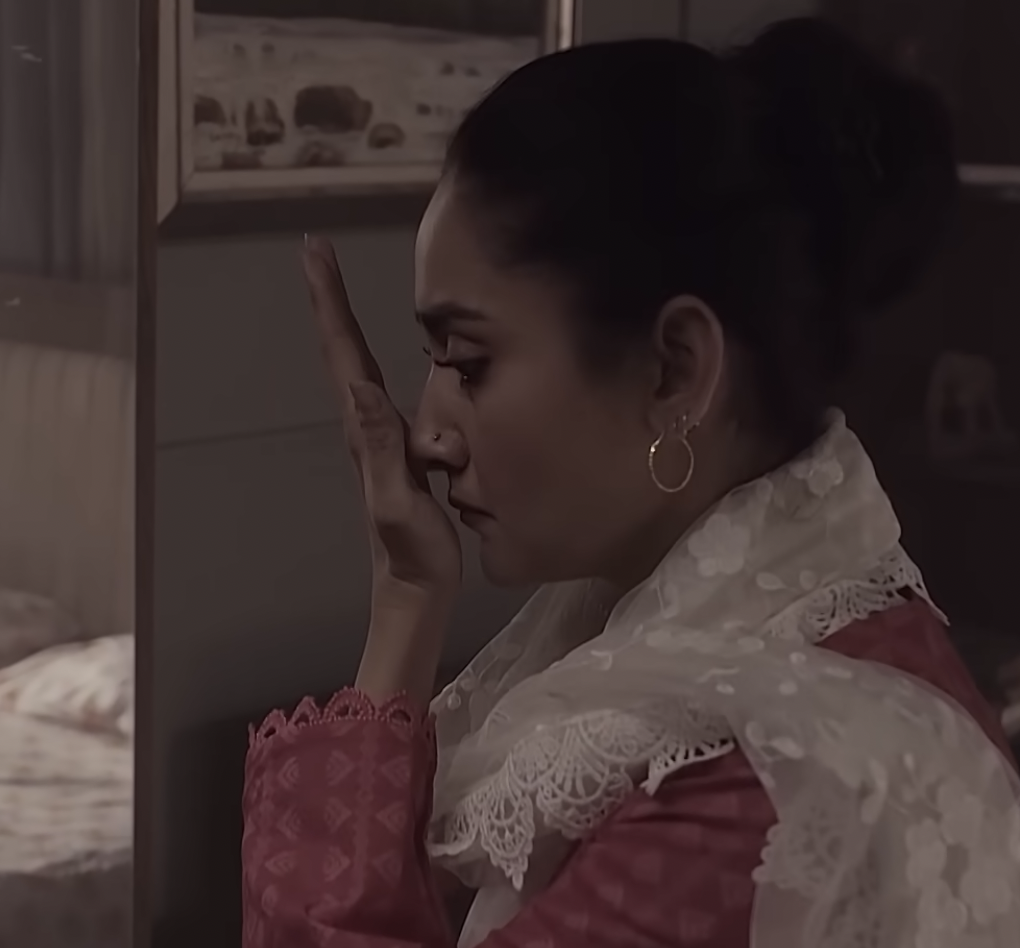
Nuzhat (Sana Askari) is a woman undone by a single, mortifying flaw: chronic bad breath. She is at her wits’ end. Her halitosis isn’t just a hygiene issue; it’s a social curse. Relationships have collapsed, roommates have fled, and dignity has evaporated. She has tried everything: dentists, home remedies, mints. Nothing works.
Desperate, she turns to mysticism. Maybe, if she has these “magical” elaichi, she will finally be happy.
The characters remain firmly tethered to reality, so this slightly absurd story never feels exaggerated. You believe that this one small, uncontrollable flaw could stall a woman’s entire future. You believe that anxiety would push her toward something she doesn’t completely believe. Not because she’s foolish but because the cost of staying “imperfect” is too high. Nuzhat is always managing herself, editing herself, bracing for rejection. Askari plays these social anxieties with precision. Her desire isn’t romance so much as relief, the promise of a “happily ever after” where she can finally exhale without apology.
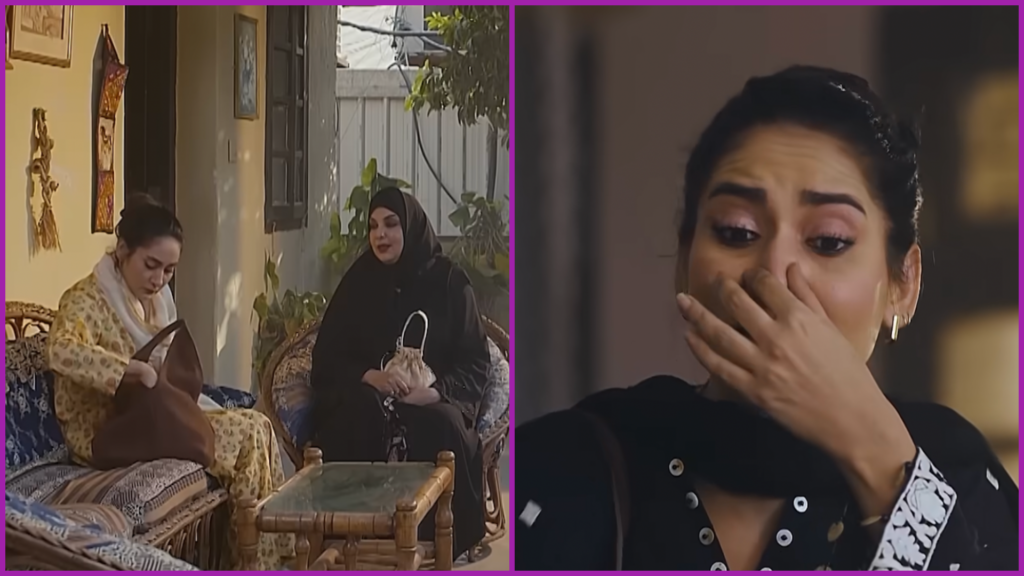
The rishta system has zero tolerance for flaws when it comes to women’s bodies. Something as small, as human, as bad breath becomes a deal-breaker.
Nuzhat is a victim of judgement, but she also perpetuates it. She casually calls her roommate awara and scoffs at her colleague’s dress sense. The film shows that insecurity doesn’t automatically produce empathy. A consummate conformist, she measures herself constantly against societal expectations and holds others to the same harsh standards. Nuzhat has internalised the very rules that suffocate her, and she directs them toward women who seem freer, louder, and less anxious to please.
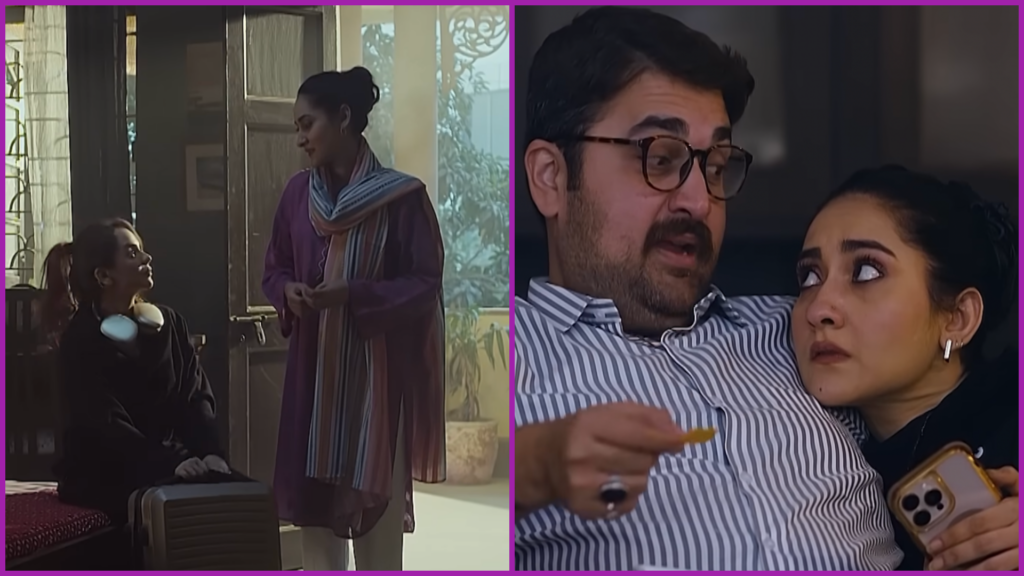
Her bad breath is treated as a tragic flaw, but her judgemental words are treated as normal behaviour. Society is far more forgiving of cruelty than of imperfection.
The ending lands with a bittersweet twist. Nuzhat is not magically cured after all. There is no transformation. Instead, she marries a man who has a medical condition that prevents him from smelling. The problem hasn’t disappeared; it has simply ceased to matter.
The solution is pragmatic, tender, and faintly unsettling all at once. Is this liberation, or merely luck? Will Nuzhat finally be able to accept herself, flaws and all?
Elaichi, Loung aur Saunf doesn’t answer that question.