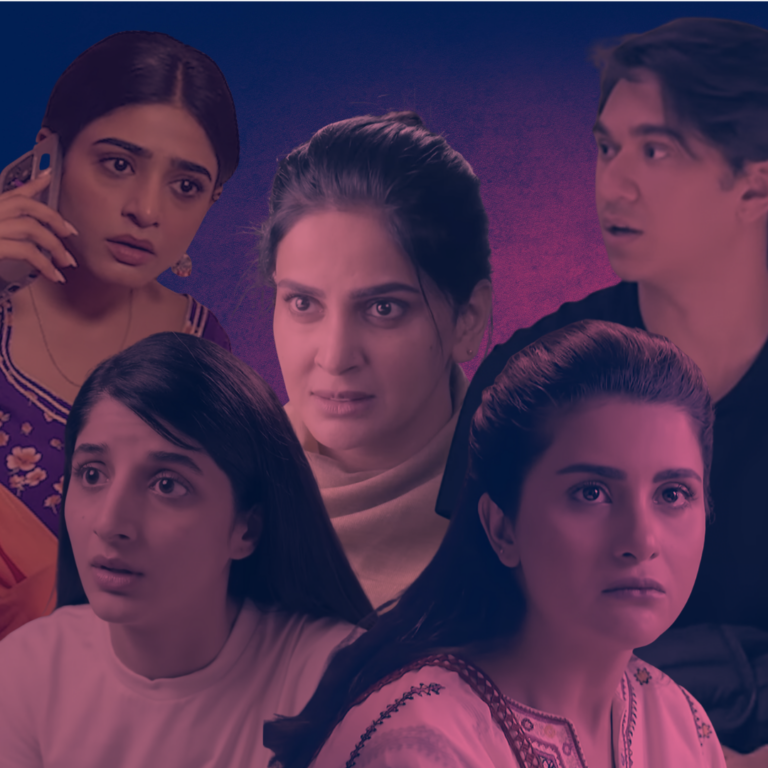


If you turn on your television in 2026, you will be confronted by a remarkably smooth world. There is no grit. There is no linguistic overlap. There is no visual dissonance. Instead, there is a singular, high-definition version of “the Pakistani life” that feels less like a reflection of our community and more like a luxury real estate promotion.
This is the absolute triumph of hegemony. It is how the lifestyle of a tiny elite group, including their accent and their aesthetic and their very specific brand of curated misery, somehow becomes the aspirational standard for an entire country. The screen serves as a high-gloss gatekeeper, showing only a Defense Phase 8 living room.
Because that is the only reality allowed on air, the unspoken rule is set: if your life doesn’t match that primetime slot, it just doesn’t exist.
The Linguistic Caste System
Pakistani television has established a rigid linguistic bias. At the top is media Urdu – sanitized, devoid of regional friction, but also peppered with English, so that it is effectively soulless.
This creates a social shorthand. If a character is the protagonist – a CEO, intellectual, heartthrob – they speak modern Urdu. But if a character speaks with a Punjabi, Pashto, or Sindhi accent, the audience is primed to expect one of two things: a punchline or a threat. We see this in the “comedy” of shows like *Suno Chanda* or *Bulbulay*, where regional identities are reduced to caricatures for easy laughs.
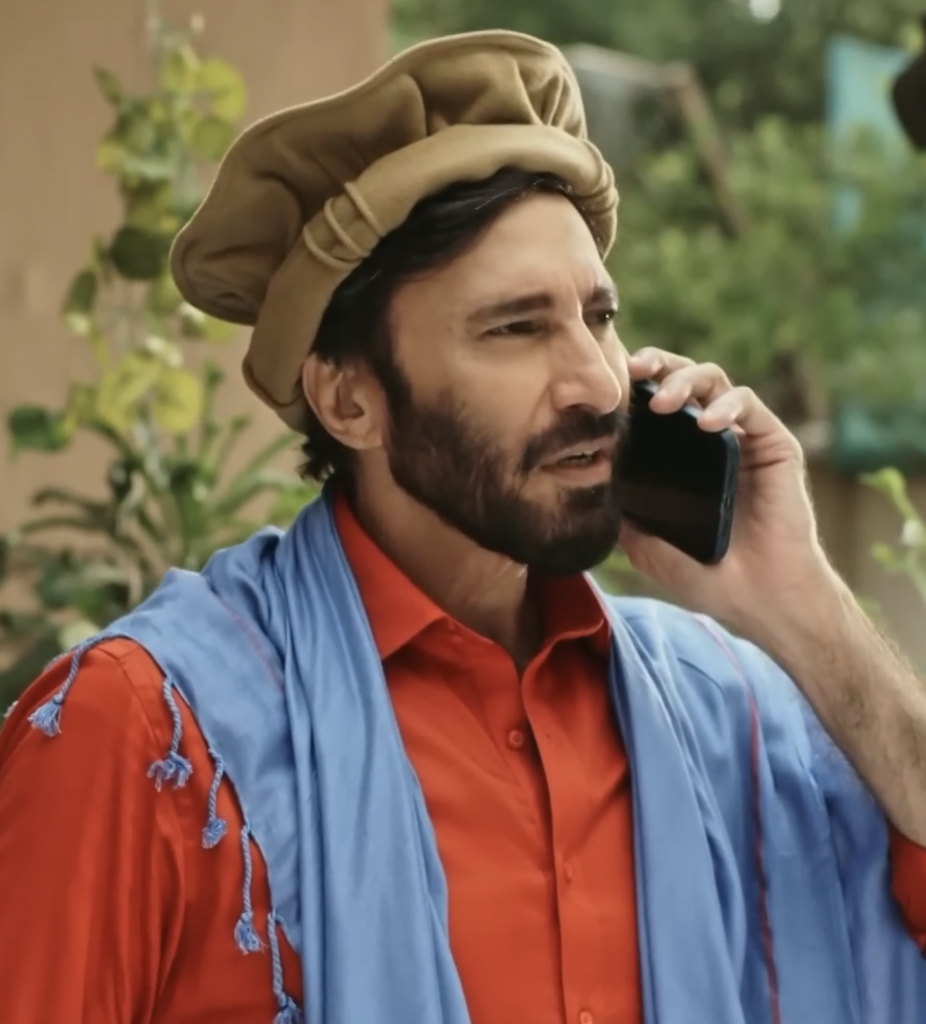
This is the Paindu-fication of regional heritage. By associating local mother tongues exclusively with the househelp, the laborer, or the uneducated, the industry sends a subliminal message: your native tongue is a barrier to success. It pushes an idea that Urdu is aspirational and anything else is backward – a sentiment shared by 70% of students in a recent survey who recognize this as blatant ethnic stereotyping.
The Ethnic Archetype: From Hollywood to Hum TV
Hollywood has spent decades using a unified Arab identity to homogenize an entire civilization into desert-dwelling tribesmen. Pakistani TV has adopted a similar, equally dangerous shorthand to interpret and homogenize the traits of its own diverse people.
We see the Pashtun on screen frequently portrayed through a narrow lens – no longer the poet or the academic, but the ‘conservative’ caricature, the aggressive outsider, or the domestic help. This mirrors the skewed global reportage that portrays the community as violent opportunists. Similarly, the Sindhi character is perpetually trapped in the role of the landlord, while the Baloch are rarely depicted at all.
When we trap these ethnic groups in functional archetypes, we aren’t just telling bad stories, we are engaging in social engineering. Portrayals of cultural diversity like ‘Kabuli Pulao’ are rare and considered risky.
The Glass Ceiling of Representation
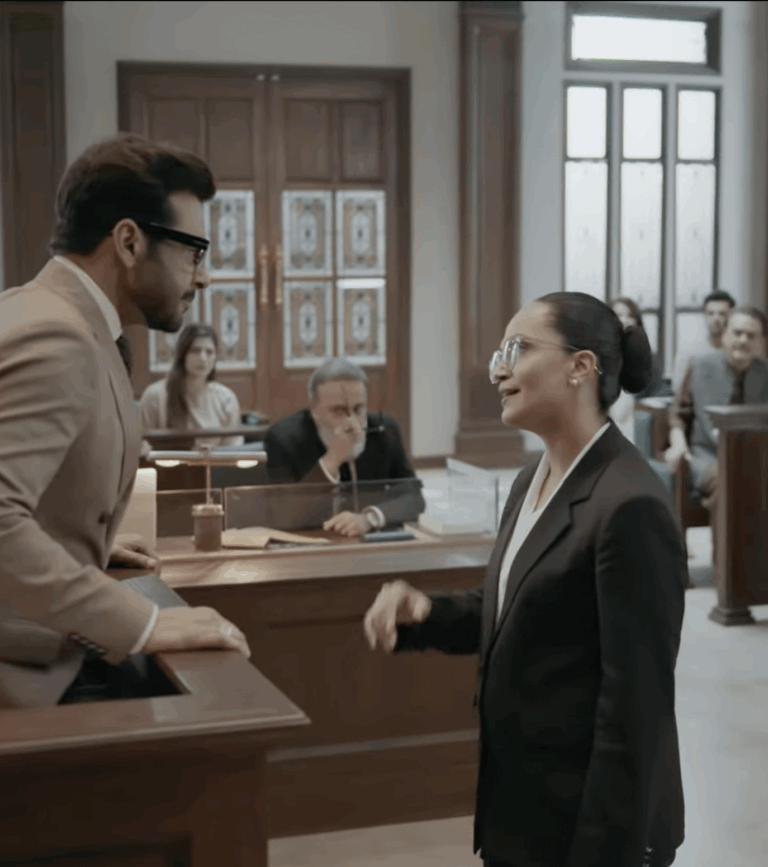
Perhaps the most insidious form of this bias is religious and ethnic erasure. Our society is home to vibrant Hindu, Sikh, Christian, and Parsi communities. They are our lawyers (as in Case Number 9), our doctors, and our neighbors.
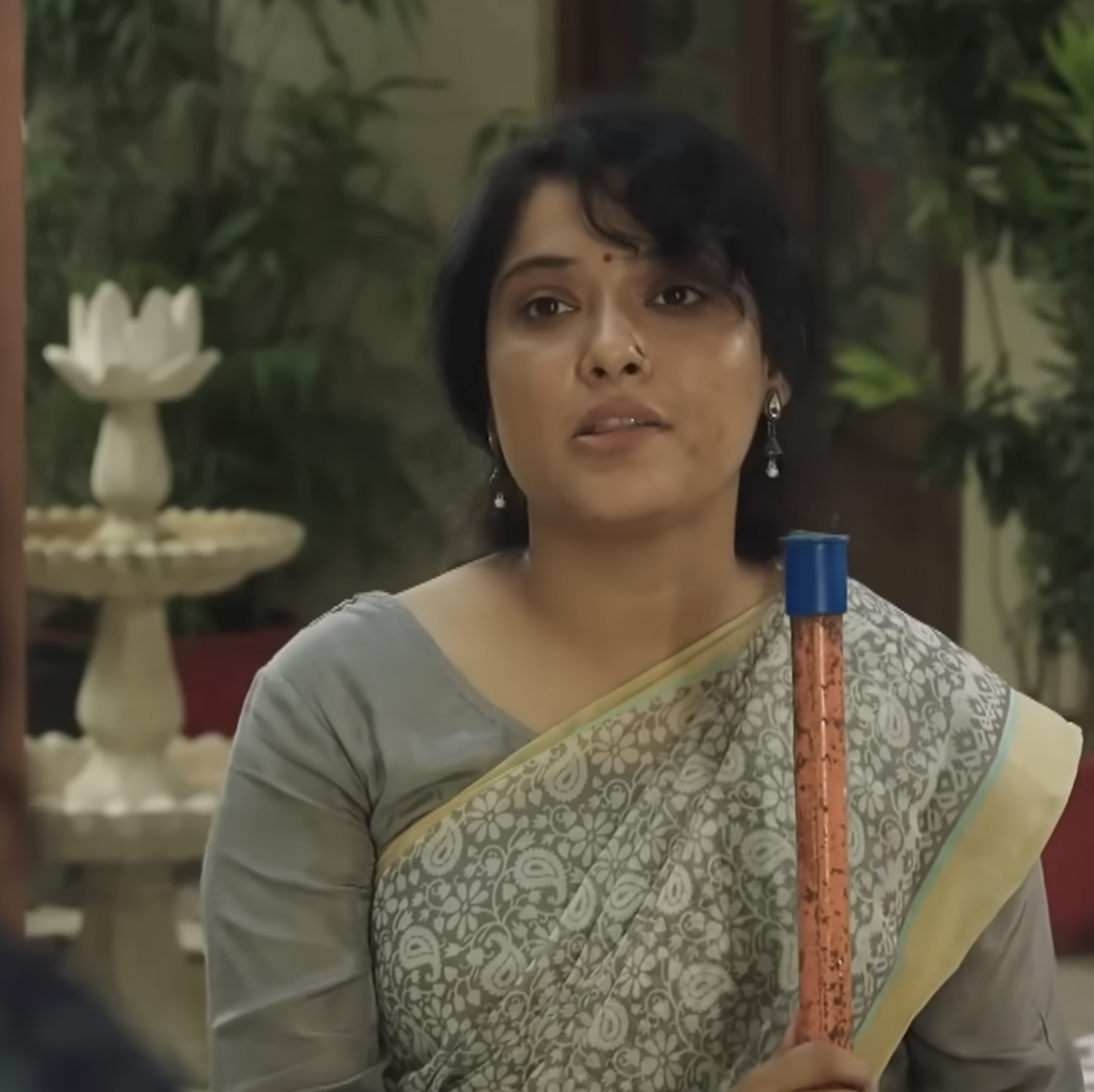
Yet, when they do appear on screen, they are often bracketed into specific class-based roles. We’ve seen progress starting with the 2019 drama Maryam Periera, which centered on a Christian woman’s moral journey, and later with Arzoo Daniel in the 2021 series Sinf-e-Aahan, who was portrayed as a young Christian woman serving in the military. But then you have a show like Baji Irshad. While it gave a protagonist’s platform to a Christian woman, it cast her as a maid, reinforcing the stereotype that the minority only exists in the service of the elite. By making these communities invisible in the everyday background of our stories, TV establishes a bias that difference is a special case rather than a fundamental part of the fabric.
Our screens don’t look like our sidewalk
When your screen looks nothing like your street, it isn’t a creative accident; it’s a deliberate narrowing of the human imagination. In 2026, we are left with a “copy-paste” protagonist: fair-skinned, sample-sized, and hyper-urban. This visual narrowing has conditioned us to believe that status and moral depth are directly proportional to how much one looks like a digital filter.
The goal of this social myopia is to make the elite bubble feel like the only permissible reality, while the lived experience of the majority is treated like a defect. This shift occurs when the world on the screen becomes more “real” to us than the people we actually interact with. By training us to look down on the very diversity that makes our society function, the industry keeps reality at bay.
It is time we demanded that our screens finally catch up to the truth of who we are.