

Aap Ki Izzat gets something right about female rage that many dramas miss. Rage is not just a destructive emotion, sometimes it is an alarm bell. It tells a woman that something has been wrong for a very long time.
Beena leaves her home because she has finally understood that caring for everyone else has required her to stop caring for herself.
And perhaps that is why female viewers are so invested in her.
They recognise the impossible bargain. She is expected to be agreeable, but not passive. Be loyal, but forgive betrayal. Be a mother, but stay alluring. Protect your husband’s reputation. Protect the children. Protect the marriage. Protect izzat.
But in the end who will protect her?
Beena discovers the answer is herself.
There is something radical about watching a Pakistani television heroine make a choice that the audience has been trained to associate with moral failure. She does not wait for the mother-in-law to throw her out. She does not wait for the second wife to defeat her. She does not wait for Tabish to announce that the marriage is over. She decides that remaining in the house has become more unbearable than leaving it.
On the surface, Umera Ahmed’s drama, directed by Saife Hassan began with the familiar architecture of many Pakistani family drama: a successful man, a devoted wife and another woman. But this story was not about a man at all – it was about what happens when a woman stops performing the endless labour of being the ‘perfect’ wife, and how quickly a society that celebrates her sacrifice turns against her when she breaks away from her expected role.
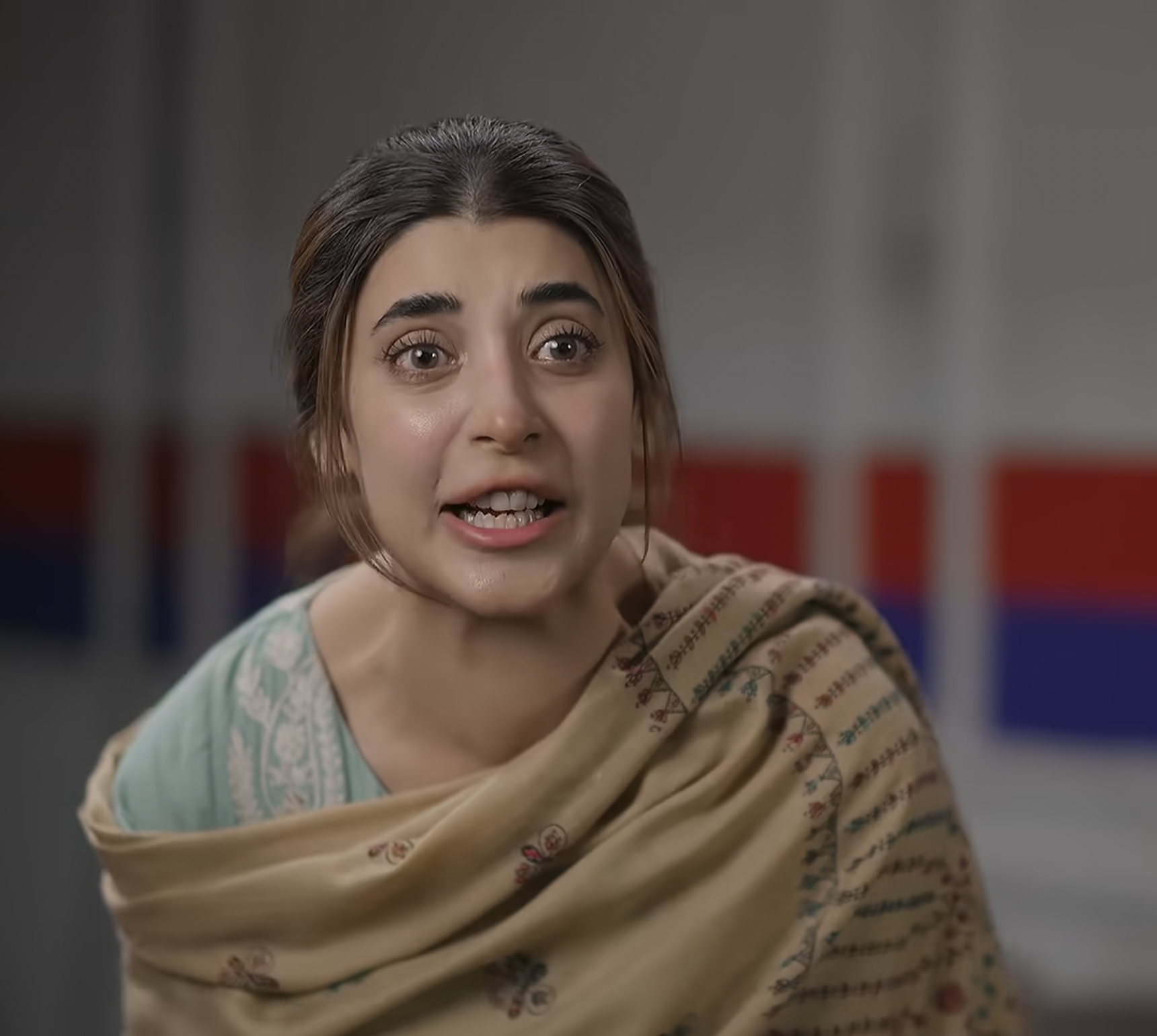
Beena (Urwa Hocane) is placed in an impossible position.
She has been fortunate enough to be cherished by a good man. So when his attention shifts elsewhere, she is expected to understand. When he becomes distant, she is expected to accommodate him. When she is visibly unhappy, the question is what she might have done to cause her unhappiness. Even a million-rupee necklace becomes part of this strange accounting system: an expensive gift is taken as proof that the marriage must be healthy, and Beena’s inability to respond with the expected gratitude becomes evidence of her ingratitude.
This is where ‘Aap Ki Izzat’ offers a particularly sharp critique of respectability politics. The concept of ‘izzat’ is supposed to describe dignity, but in practice it becomes a demand for silent suffering. Beena’s actual dignity matters less than the appearance of a dignified marriage. Tabish’s reputation matters more than the emotional reality of the woman he married.
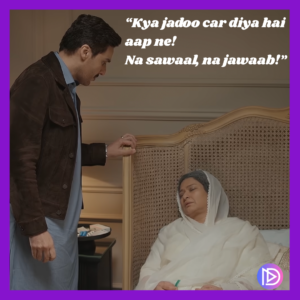
His mother, played by Sania Saeed, makes this contradiction more complicated. She is frustrating because she repeatedly accommodates her son. Yet there is something recognisable in her behaviour too: she understands that her own security depends on keeping him happy. Her compliance is therefore both selfish and self-protective. She is not merely enabling her son’s whims; she is participating in a system in which women learn to survive by appeasing the men who have power over them. By protecting Tabish from accountability, she cultivates his entitlement.
What makes the drama especially unsettling is that Tabish is not introduced as an obvious monster.
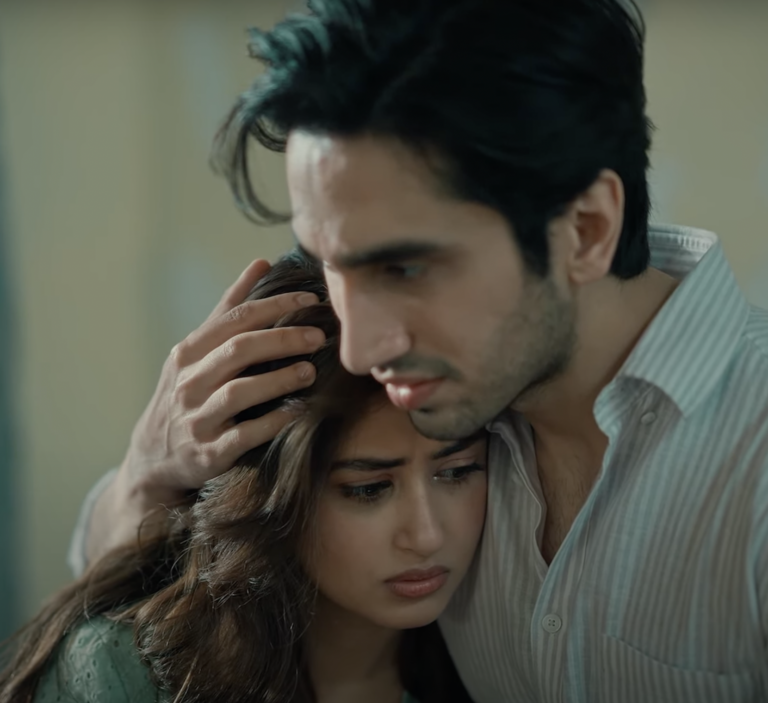
He is a husband who once prized Beena. His transformation forces us to confront how violence against women does not always begin with an immediately recognisable villain. It can begin with the belief that a man’s unhappiness deserves to be solved, while a woman’s unhappiness must be endured. Tabish’s contemplation of ordering Beena’s murder, is therefore not simply a shocking plot development. It is the logical endpoint of a worldview in which her life becomes less valuable the moment she stops serving the role he has assigned her.
When “Izzat” Becomes a Licence to Control Women
The timing of Aap Ki Izzat makes this question difficult to dismiss as melodrama. In Pakistan, the phrase “honour killing” describes a very real form of gender-based violence. The Human Rights Commission of Pakistan recorded at least 405 honour killings in 2024, though the real figure is likely higher because many cases are never reported or are classified differently. More recent reporting based on HRCP figures puts the number at at least 470 honour killings in 2025.
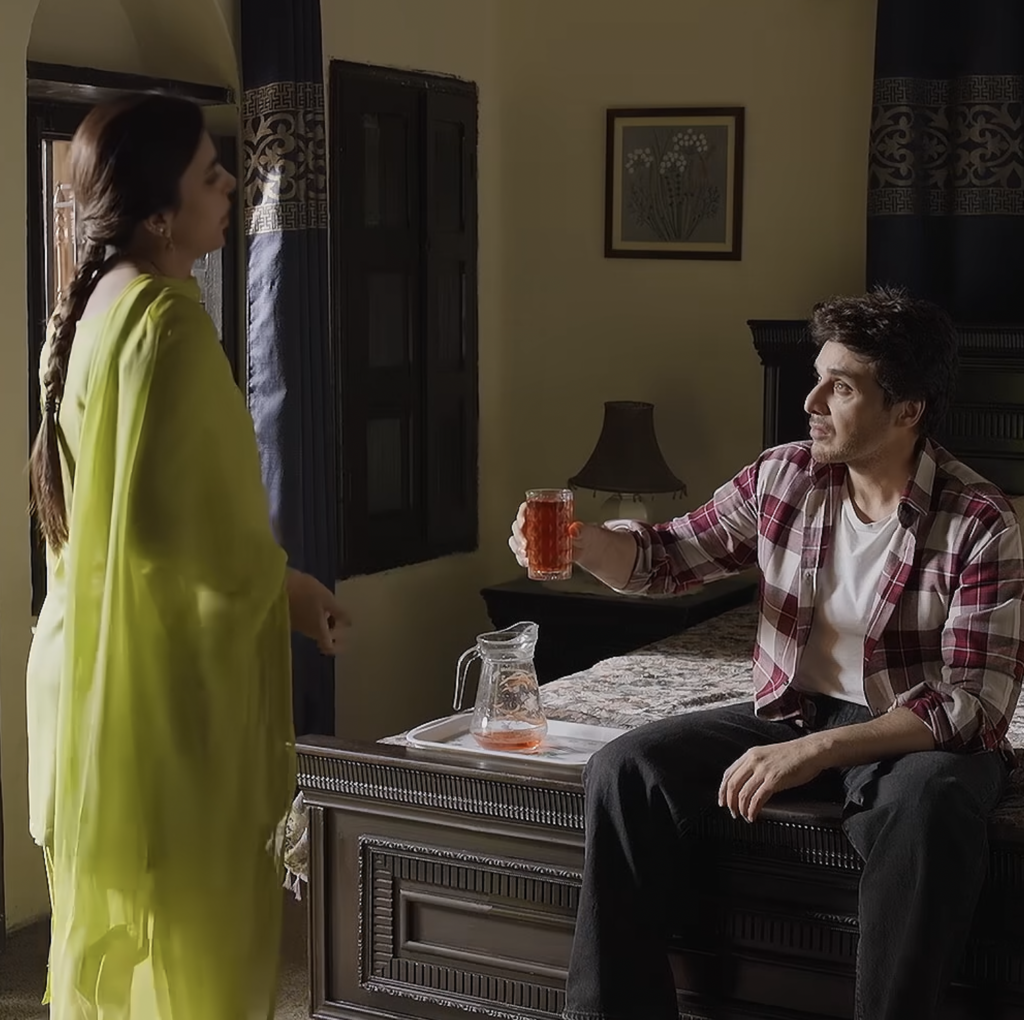
Beena’s story obviously cannot stand in for all of those women, and the drama should not be mistaken for a literal representation of honour killings. But it does something valuable by depicting Tabish devolving from loving husband to vengeful murderer. First comes the expectation that the woman will sacrifice. Then comes the insistence that she remain silent to protect the family. Then her unhappiness becomes her fault. Then her resistance becomes a threat. The language changes before the violence does. What begins as “adjustment” can become control; what is called “family honour” can become a demand that a woman surrender her autonomy.
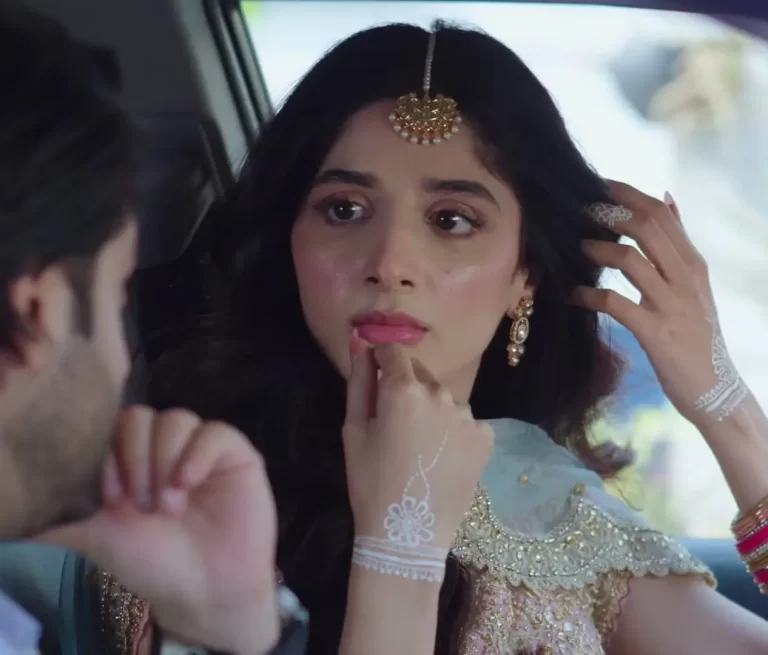
Beena escapes an unhappy marriage for her sanity while Tabish chooses to indulge in an affair with a younger woman. Both partners break the same social rules with wildly different outcomes. A man can make choices about his marriage and have those choices explained, rationalised and accommodated. A woman with agency creates a crisis of ‘izzat‘.
The double standard is not subtle: men are allowed to be complicated; women are expected to be a moral compass pointing towards perfection.
And perhaps this is what female viewers recognise so instinctively in Beena. They are not simply watching a wife discover that her husband is unfaithful. They are watching what happens when a woman refuses to keep paying the emotional cost of a man’s choices.
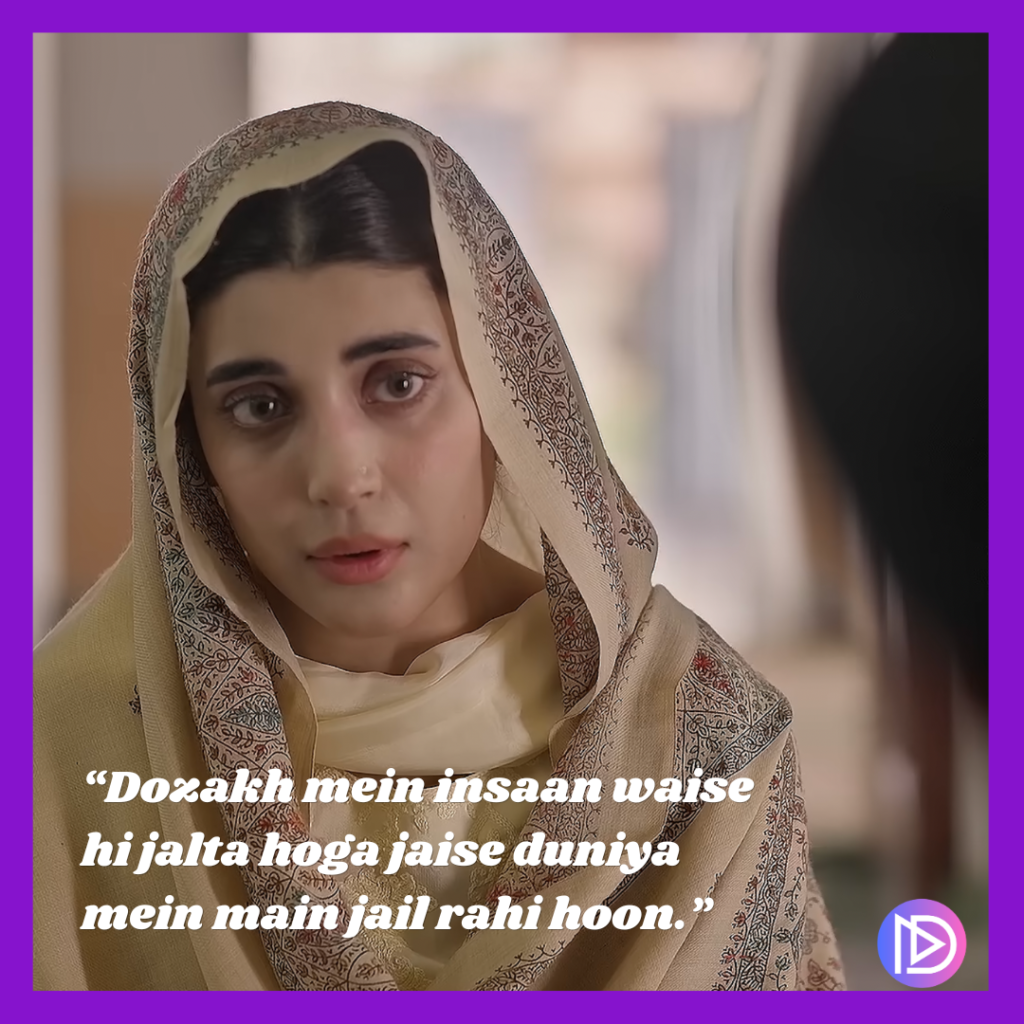
Beena knows that there is no version of womanhood in which she is allowed to win. If she stays, she sacrifices her self-respect. If she leaves, she threatens family honour. If she protects Tabish’s reputation, she disappears inside a lie.
The question in ‘Aap ki Izzat‘ is not whether Tabish loves Beena anymore but whether a woman is allowed to love herself.
Umera Ahmed’s drama takes a familiar story of male infidelity and turns it into a disturbing examination of loyalty, gender violence and the price women are expected to pay for keeping everyone else comfortable.
The title prompts us to ask: whose izzat really matters?