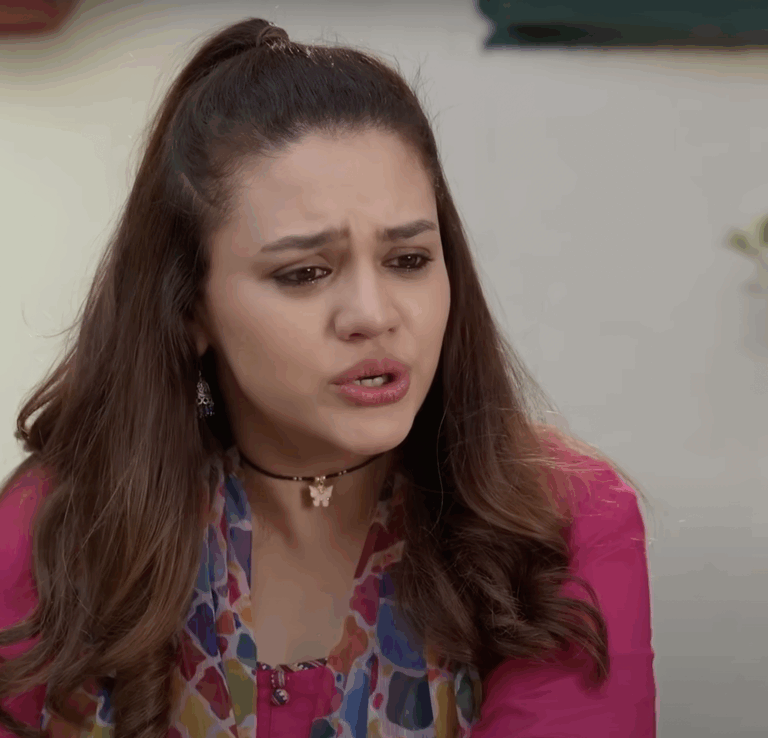



Green TV is airing a local version of Superstore sponsored by Imtiaz – is it any good?
“Fasaana Mart Ka” is well-intentioned, occasionally touching but still fundamentally dull.
The Ramazan comedy starts off bumpy and then steadily goes downhill. A strong cast of likeable characters does its best to keep things afloat, but warmth alone cannot save a show with a paper thin story and an overwhelming urge to preach.
From the outset, the promotional pitch is crystal clear: shop here because we have fair prices and the best service. The drama’s plot is not as clear.
Like NBC’s SuperStore, we follow a group of employees and their everyday work and private lives at a megastore. Where Cloud 9 was a faceless, soul-sucking corporate machine, Imtiaz is a family-run business rooted in values, relationships, and moral responsibility. The premise is that a successful business can be ethical.
The comparison is inevitable. Fasaana Mart Ka is clearly based on Superstore, and it doesn’t try very hard to hide that influence. But it also isn’t a scene-for-scene copy. Instead, it borrows the basic workplace setup and tone, then reshapes them to fit a local universe.

The difference also lies in execution. Superstore had a sharp, pro-worker, anti-capitalist edge, with characters openly discussing long shifts, low pay and exhaustion. Fasaana Ek Mart Ka largely uses the store as a backdrop, without seriously engaging with the interior lives or material realities of the people who work there. All the employees love each other, love the store and love their boss. In a workplace comedy this lack of conflict prevents any real growth.
Zara (Aena Khan) and Rizwan (Shuja Asad) flirt in the aisles, a nod to Amy and Jonah. Ahsan Bhai functions as a genial, floating presence like Garrett. None of these are direct replicas, but the inspiration is obvious.

Where the show comes alive is in smaller, more local moments. Rizwan dreams about becoming a professional cricketer while selling bats. Aneela wards off prospective marriage proposals from customers. The recurring generational gag at the cash register — Aslam insists on proper Urdu while Nida replies in breezy Gen-Z shorthand. Anywhere the characters are allowed to shine, they do.
The show’s sincerity peaks when Aslam Bhai says, “An honest businessman does not earn profit off of people’s hunger.”

Too often, however, restraint is abandoned. By episode three, Zara, gives money to a “needy” customer so she can shop. Charity and consumerism mix in an awkward display of moral theatre. In reality we know this is not only unlikely but unfair to expect – most retail workers are struggling to survive themselves. Zara defends her choice saying “We should choose to help whenever we can,” which is a truly noble sentiment.
This sentiment forms the foundation of the drama and is possibly the secret to Imtiaz’s real-world success.
Anti-hoarding, ethical pricing, and dignity for customers are meaningful ideas, especially during Ramazan. But television is not a corporate training module. The same values could have been conveyed through tension, scarcity, difficult trade-offs, or moral compromise. Instead, the show explains itself repeatedly, as if afraid the audience might miss the point.
Fasaana Mart Ka gets credit for its ethics. What it needed was faith in storytelling.