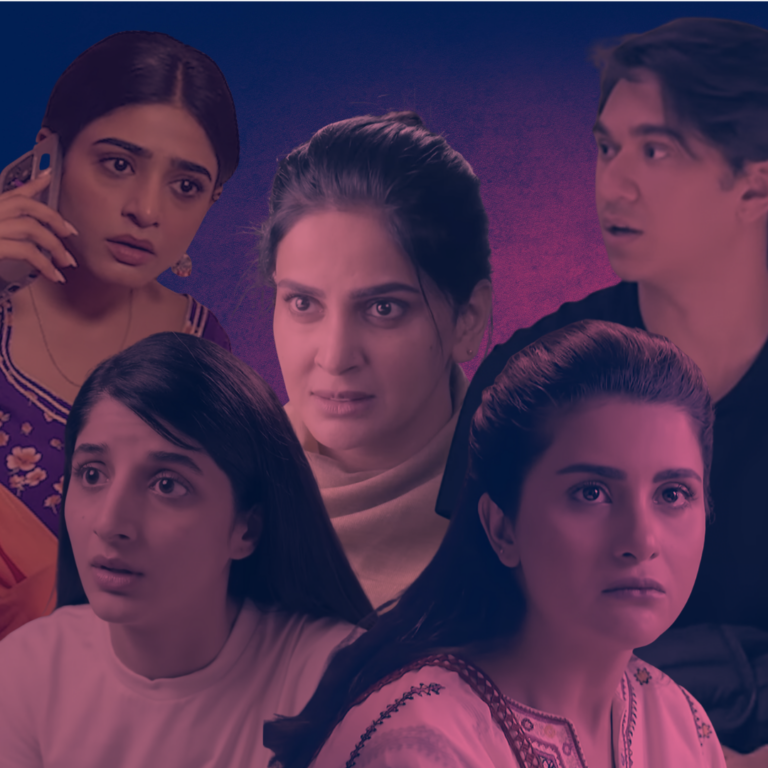
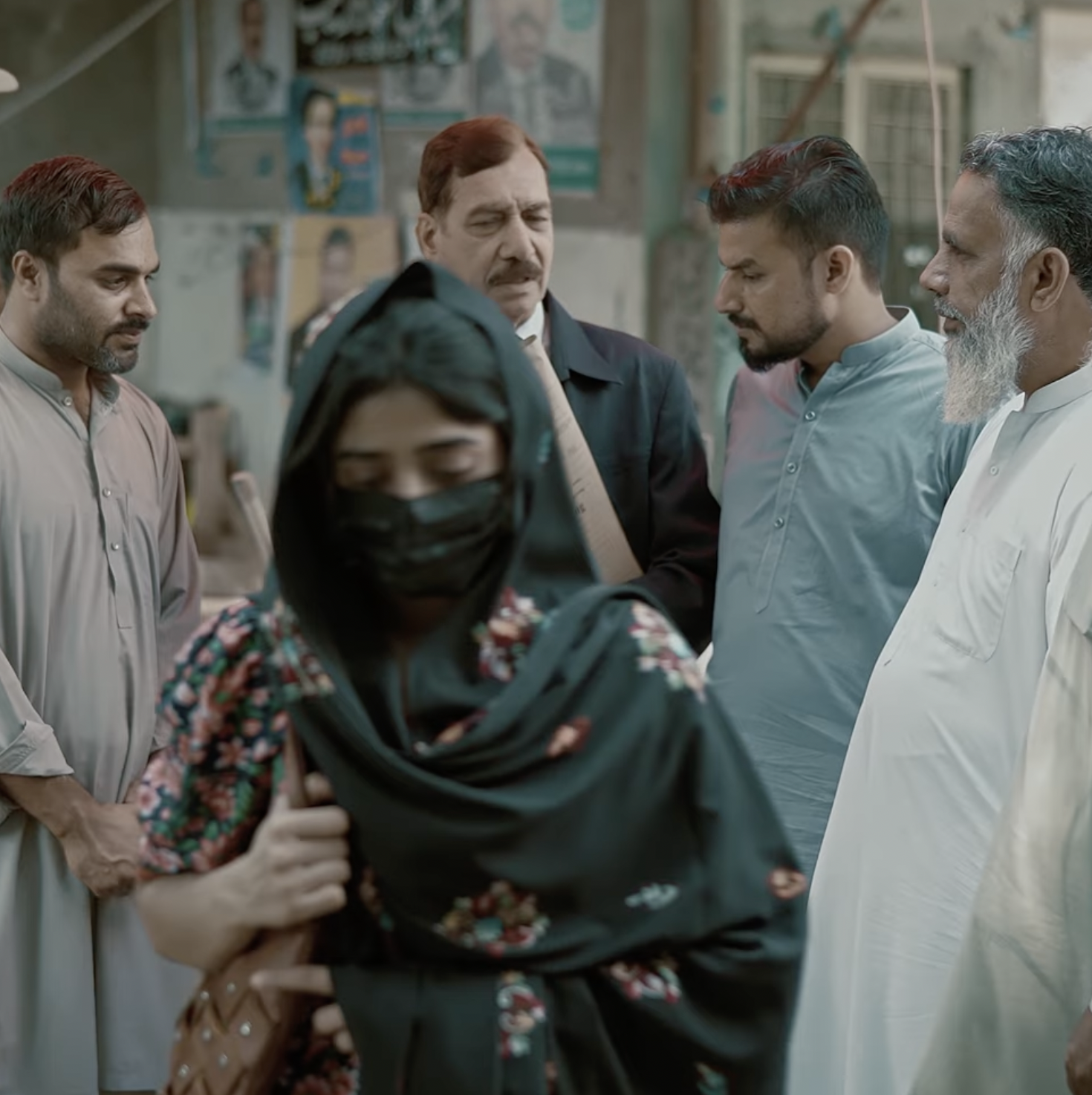


Fear, isolation, and terror are not emotions we usually seek out in a primetime viewing slot. Aik Aur Pakeezah is the exception. It does not promise relief or escape. Instead, it places us inside the aftermath of a brutal crime. This is a drama less interested in shock than in what fear does to people over time.
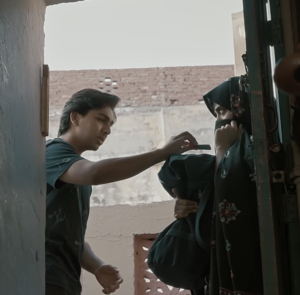
After ten episodes of despondency, we see a flicker of hope as Pakeezah finally meets Saman. With family, status, and security stripped away, Pakeezah can finally act where others would hesitate. For many survivors court is the last resort. Faraz is still chained to middle-class morality. He has a job, sisters with marriage prospects and social standing. He has something to lose. Pakeezah, by contrast, has already lost everything.
She has quickly moved beyond the familiar anxiety of “log kya kahenge.” When Pakeezah visits a women’s shelter, fear becomes practical and immediate. Where can she safely use the washroom? Is it acceptable for her to work among male labourers? Can her husband leave her alone at night to sleep in a shop for protection? These are not reputational concerns. They are the daily calculations of women with no safety net. Middle-class dramas often reduce trauma to damaged honour. *Aik Aur Pakeezah* insists that for working class women, danger is physical, constant, and logistical.
Class vulnerability is what sets the drama apart. The attack was not merely a crisis of reputation. It impacts material realities of money, survival, and housing. Pakeezah distrusts everyone, even her own husband, because she knows she is always unsafe.
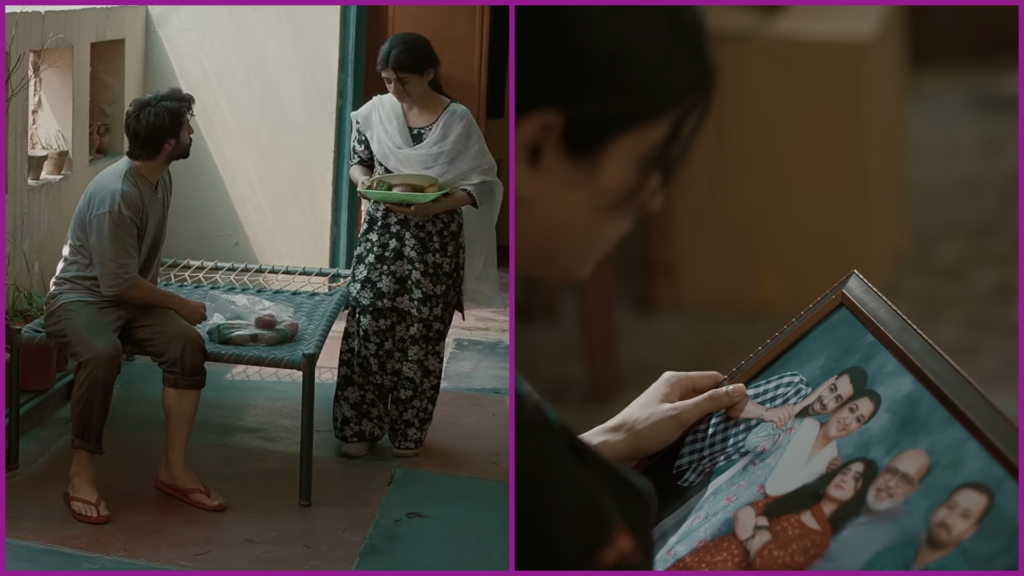
The series puts us in the shoes of Pakeezah, a once bubbly and confident young woman who loses her family but not her will to survive. This could easily have turned into a cheesy redemption arc or a preachy social message. Geo TV’s Case No. 9 often slipped into that territory. Aik Aur Pakeezah does not. Written by Bee Gul, Pakeezah is not a flag-bearing hero. She yells at her husband Faraz (Nameer Khan). She falters. She replays the traumatic incident again and again in her head. Her pain spills into her relationships and her judgment.
That is why she feels real. She is not impeccably dressed or emotionally articulate. She is confused, tear-streaked, and barely keeping it together. Yet the courage she shows simply by continuing to exist and demand space exceeds the tidy resilience usually reserved for middle-class female protagonists.
The Other Pakistan: Saman and Social Responsibility
Directed by Kashif Nisar, the drama avoids gratuitous violence or sexual spectacle. Violence, cyberbullying, and revenge porn are conveyed without exploitation. What we see is the psychological fallout and how it ripples through every relationship. Trauma does not belong to Pakeezah alone. It infects families, marriages, and moral reasoning.
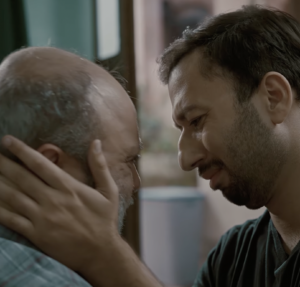
The most devastating performance belongs to Pakeezah’s mother (Nadia Afgan). Her trauma manifests not as cruelty but denial. When she says, “agar tum mar jao, toh sab ki jaan bhi bach jaye gi aur izzat bhi,” the line exposes the distorted logic of ghairat. A dead daughter is preferable to a living one who disrupts social equilibrium. She avoids reality and even attends Yasin’s (the attacker’s) wedding. Pakeezah’s brothers disown her. The fact that she is allowed to live is a small mercy.
The drama articulates this imbalance:
“Zulm hua kisi par, aur us se bara zulm yeh ke woh awaaz bhi na uthaye, jab ke zulm karne wala dandanata phiray.”
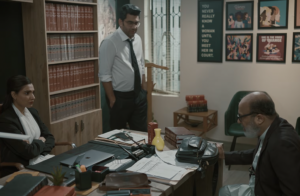
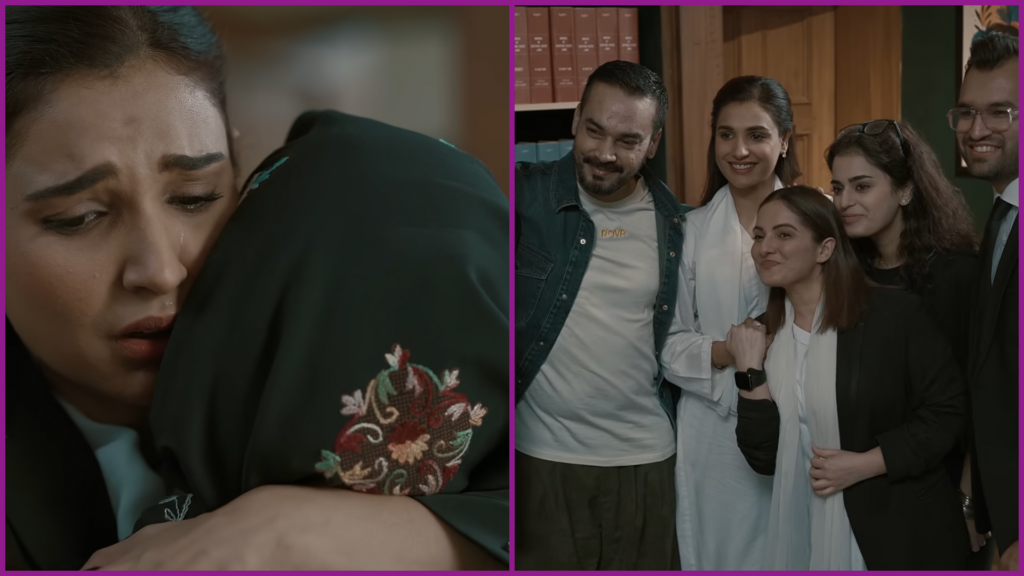
Against this stands Saman, the lawyer whose life represents an alternative reality. Played by Amna Ilyas, she studied law like Pakeezah, but her world is held together by support.
She has a supportive and succesful husband who steps aside for her career. A network of friends who rally behind. A mother who shelters survivors. A home where justice is practised collectively rather than feared. The contrast is deliberate. Society, the drama argues, is not abstract. It is built daily through who is protected and who is sacrificed. The contrast between mothers is clear. Pakeezah’s mother is not cruel but broken. Saman’s mother (Hina Bayat Khwaja) has not led an easy life either but still chooses to be warm and accepting.
Purity politics and who deserves justice?
At the heart of the series lies its sharpest question about purity culture. Pakeezah repeatedly insists, “main ne koi ganda kaam nahi kiya.”
Justice here is conditional. Sympathy must be earned through sexual innocence. Viewers criticize Pakeezah for daring to be in public with Faraz only reinforces this logic, suggesting that violence is the result of bad decisions rather than male entitlement. By reinforcing the myth of the perfect victim Pakeezah only shames and silences hundreds of victims who do not meet the narrow moral standards of prime time TV.
Aik Aur Pakeezah leaves us uneasy because it refuses, so far, to ask the final question: would Pakeezah’s suffering matter if she were not considered pure? The story is loosely based on real events involving leaked videos of couples. Leaked videos of unconsenting women are not rare, fictional, or exceptional.
Culprits routinely go unpunished and continue to be enabled by the same purity politics that the drama both exposes and leans into. Pakeezah is not a cautionary story of what happens when you let your daughter go on dates. It is the chilling reality of how men intimidate women in a repressive culture where impurity is a fate worse than death.
_______________________________________________________________________________
Spotlighting non-toxic men:
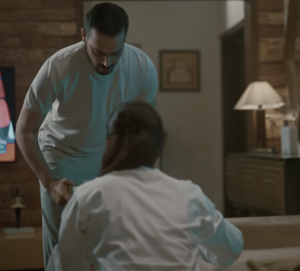
The drama also makes space for non toxic men: Asghar apologises when he fails, Pakeezah’s colleague at the shoe factory takes steps to make the workplace safer for Pakeezah, and Saman’s husband supports her career by cooking dinner and stepping back when her work demands it.