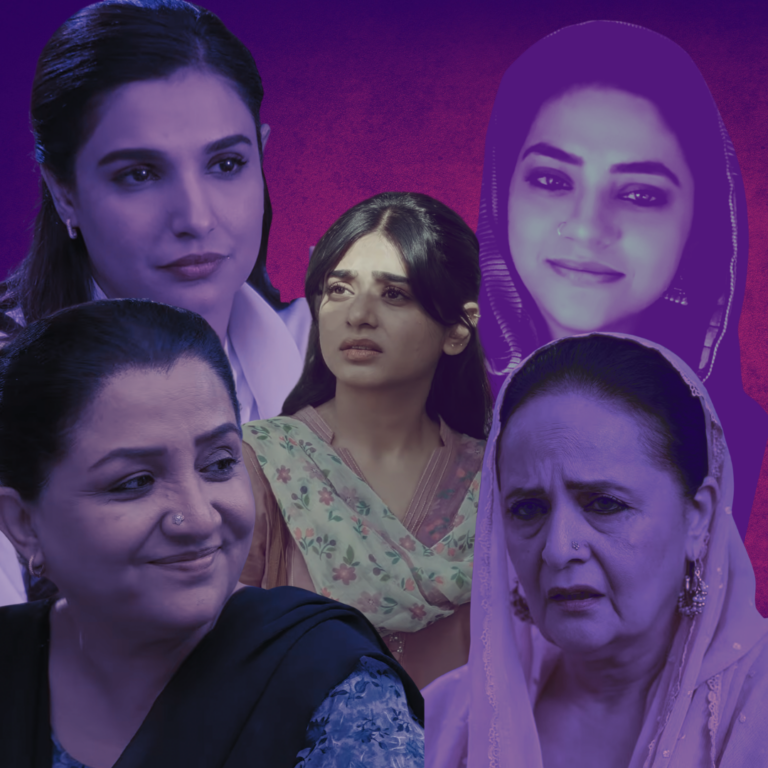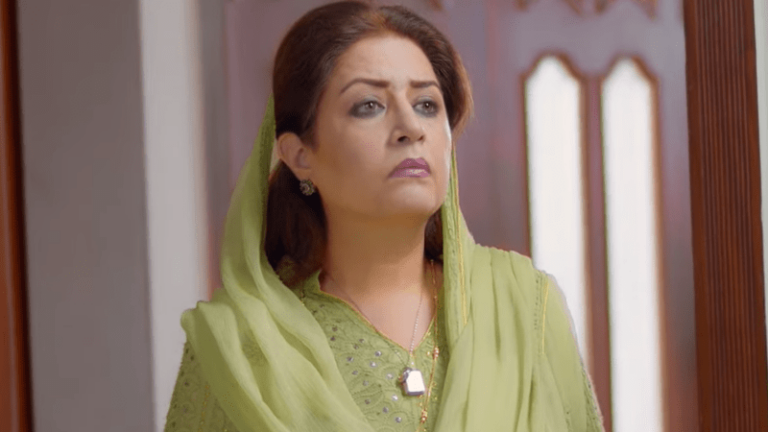
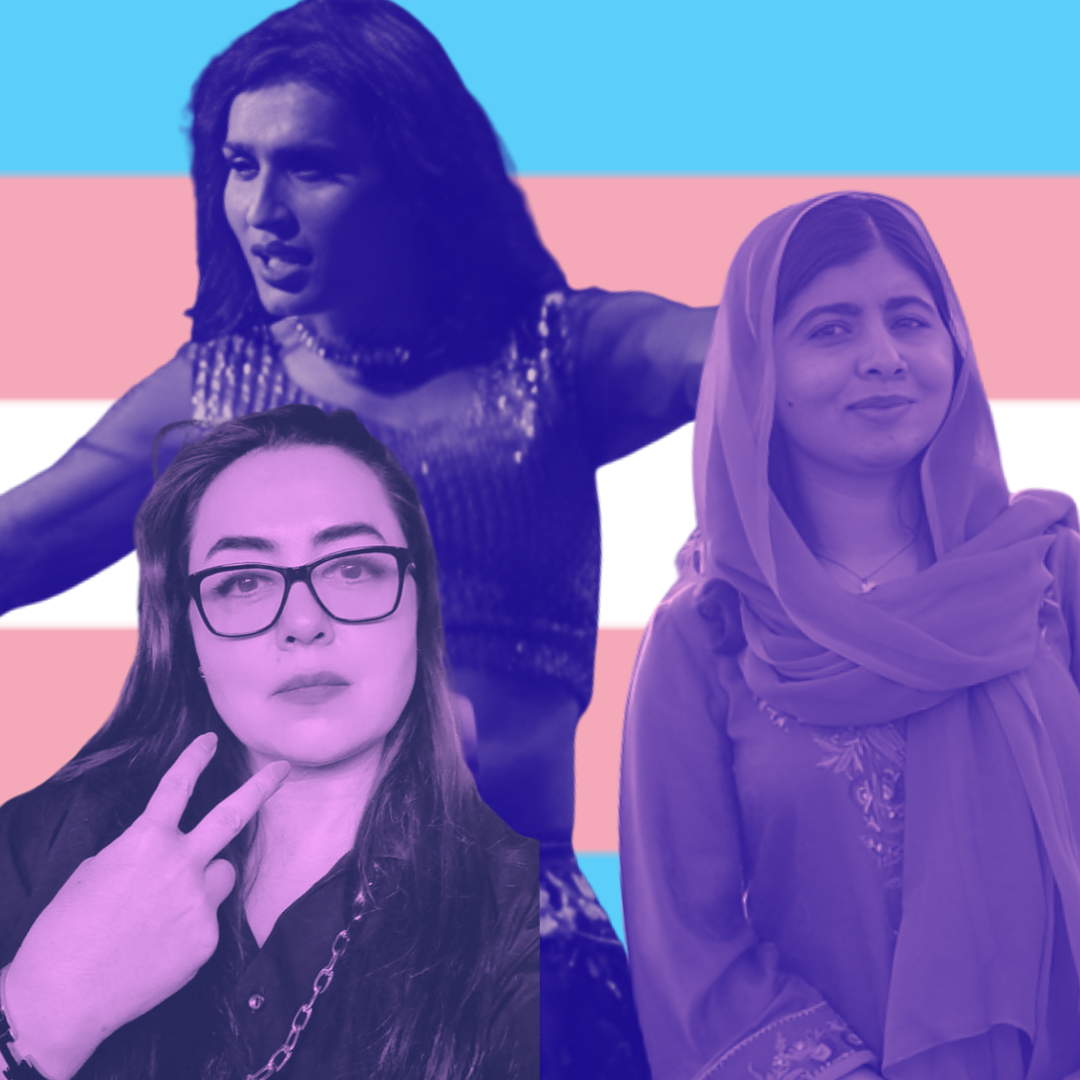


For centuries colonial and nationalist projects have painted Muslims as either hyper-conservative or exotically oppressed.
Queer Muslims disrupt both of these images.
Their stories are ones where faith, identity, and desire collide in ways that colonial histories, patriarchal traditions, and global pop culture often try to simplify or erase.
This tension is not abstract. When Saim Sadiq’s Joyland won at Cannes, its tender portrayal of a trans woman triggered bans and moral panic at home. In 2024 Asim Abbasi’s Barzakh was pulled from YouTube Pakistan over outrage about LGBTQ representation. And just recently, designer Maria B faced a cyber-crime inquiry after calling a private gathering “satanic” and accusing it of corrupting minors.
The outrage in all three cases reveals a deeper anxiety: who is allowed to exist?
In the middle of these battles, queer Muslim stories persist. They remind us that being Muslim has never been a monolith. Queer Muslim characters appear despite despotic governments, social taboos, and the threat of violence.

The tension between queerness and Muslimness is often portrayed as timeless, as though Islam has always been hostile to diverse expressions of gender and desire. Yet the historical record shows otherwise. From Sufi poetry that blurred the lines of love, to Ottoman and Mughal courts where homoerotic verse thrived, queerness was not alien to Muslim societies. What changed was colonial governance: the imposition of Section 377 in South Asia by the British, or French and Dutch laws criminalizing same-sex desire. What had once been complex, coded, sometimes celebrated, became forbidden by the state.
It is in this post-colonial shadow that contemporary queer Muslim characters emerge. Their struggle is not only against cultural taboo but against a colonial silence that still lingers.
Pop Culture: Small Screens, Big Risks
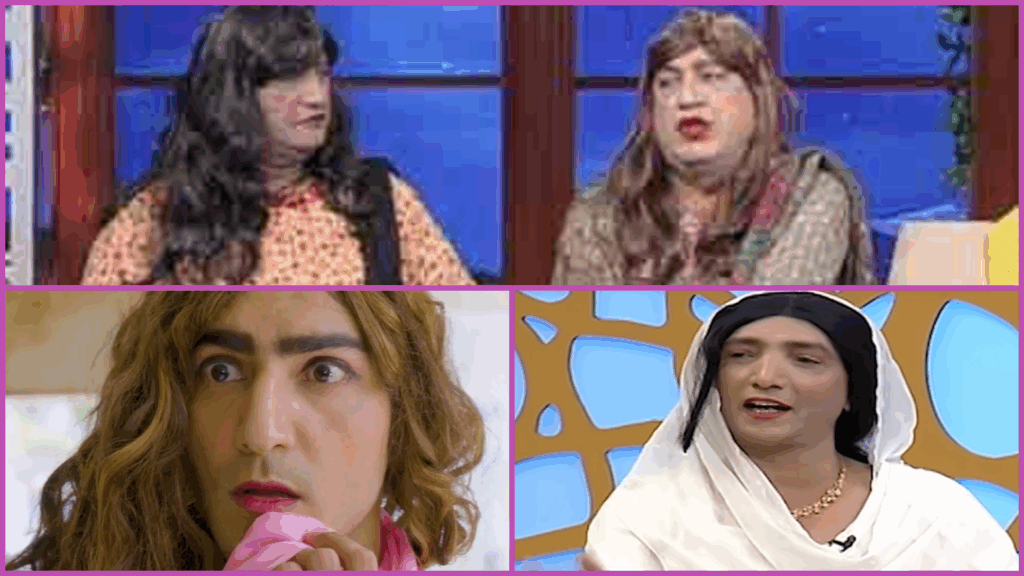
On screen, queer Muslim representation has long been hesitant, tokenistic, or played for laughs. Cross-dressing is normalized as humour. A man in drag cracking jokes is acceptable entertainment, but a trans woman speaking about her lived reality is treated as scandalous. Pakistani primetime thrives on these double standards. Popular dramas will use effeminate side characters for comic relief. In Bollywood, queer-coded villains like the predatory hijra stereotype were normalized for decades, yet a serious queer Muslim protagonist is still rare. Western TV too has embraced Muslim queerness only cautiously, offering a single gay cousin in Ramy or a side character in Elite.
Honest stories are often banned, while mainstream television resorts to portrayals that otherize. Khuda Mera Bhi Hai(ARY Digital, 2016) followed a mother raising her intersex child with dignity and Alif Allah Aur Insaan (HUM TV, 2017) introduced a trans character into its ensemble. These were rare attempts at serious engagement but when queer characters are not punchlines they are framed as tragedies, morality lessons, or “exceptions” never as normal.
Internationally, the documentary A Jihad for Love (2007) was one of the first to center queer Muslims from around the world, from South Africa to Iran, resisting erasure by living visibly. In more recent years, films like Breaking Fast (2020) portray a practicing gay Muslim who fasts during Ramadan while navigating romance in Los Angeles.
These stories do something radical: they remind us that queerness and faith are not mutually exclusive. To be Muslim and queer is not to betray either identity but to embody their coexistence.
Literature: The First Site of Resistance
Literature has been the most fertile ground for reclaiming queer Muslim lives. Saleem Haddad’s Guapa places us in the intimacy of a single day in the life of Rasa, a gay Arab man whose story unfolds against dictatorship, secrecy, and the remnants of colonial repression. Hasan Namir’s God in Pink, set in Iraq, portrays a young man who seeks guidance from an imam on how to reconcile faith and sexuality. Here, queerness is not portrayed as a Western import, but as a lived reality entangled with prayer, family, and the weight of war.
Fatimah Asghar’s poetry collection If They Come for Us expands this conversation into the South Asian Muslim diaspora. By weaving Partition history with queer longing, Asghar resists the neat divisions colonialism imposed on land, identity, and desire.
Why Representation Matters
Queer Muslims stories, are a form of spiritual survival. They are proof that they are not alone. For broader audiences, they are reminders that colonialism did not just take land, but also narrowed the possibilities of how Muslims could define themselves.
In a post-colonial world, to write, film, or perform a queer Muslim character is to resist both imperial silencing and local stigma.
It is to say: we have always been here, and we will continue to narrate ourselves, in our own words.
A Beginner’s Guide: Reading & Watching Queer Muslim Stories
This is a non-political guide towards empathetic stories that humanize queerness.
Watch
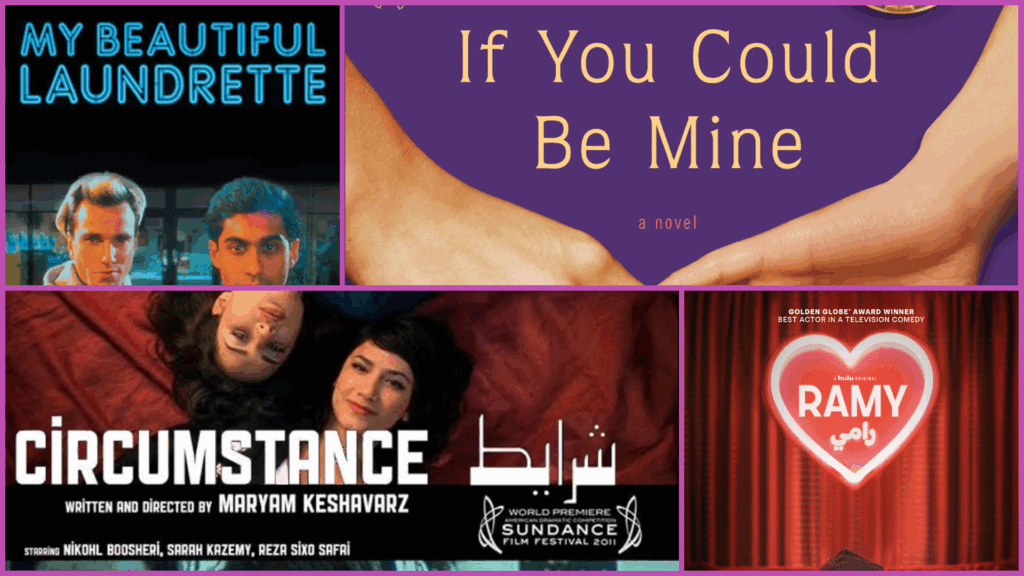
My Beautiful Laundrette (1985)
A British Pakistani young man falls in love with his childhood friend in Thatcher-era London. Class, race, and sexuality all collide in this iconic film.
Read
If You Could Be Mine – Sara Farizan
Set in Iran, this novel follows Sahar and Nasrin, two teenage girls in love, navigating family expectations and state laws. A tender entry point into queer Muslim love.This Arab is Queer (Anthology, 2022)
Personal essays from LGBTQ+ Arabs, some Muslim, sharing their lived realities—funny, heartbreaking, raw, and powerful..The Last Queen – Chitra Banerjee Divakaruni
A reimagining of Razia Sultan, often read as embodying gender fluidity, power, and desire beyond traditional norms.