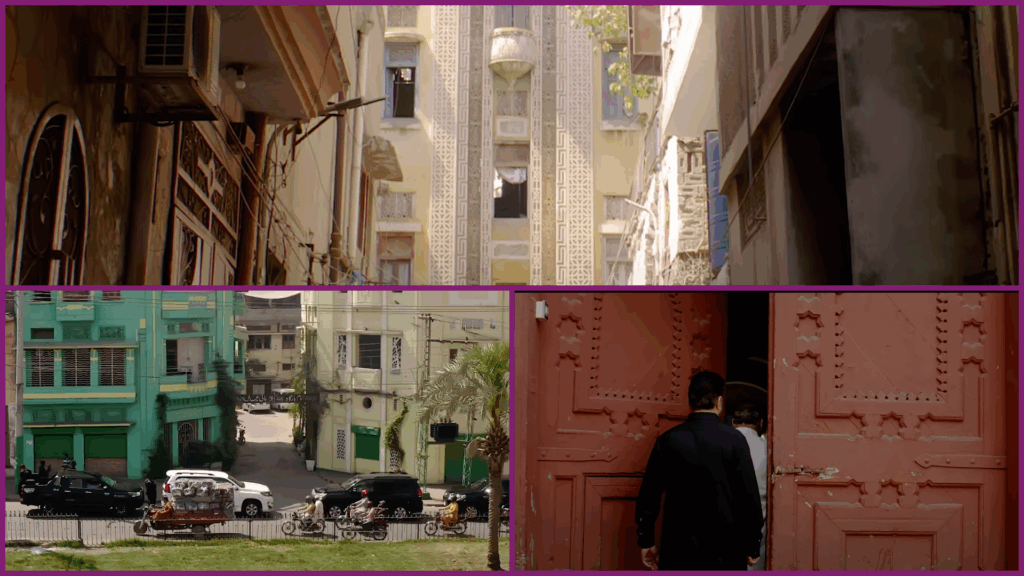
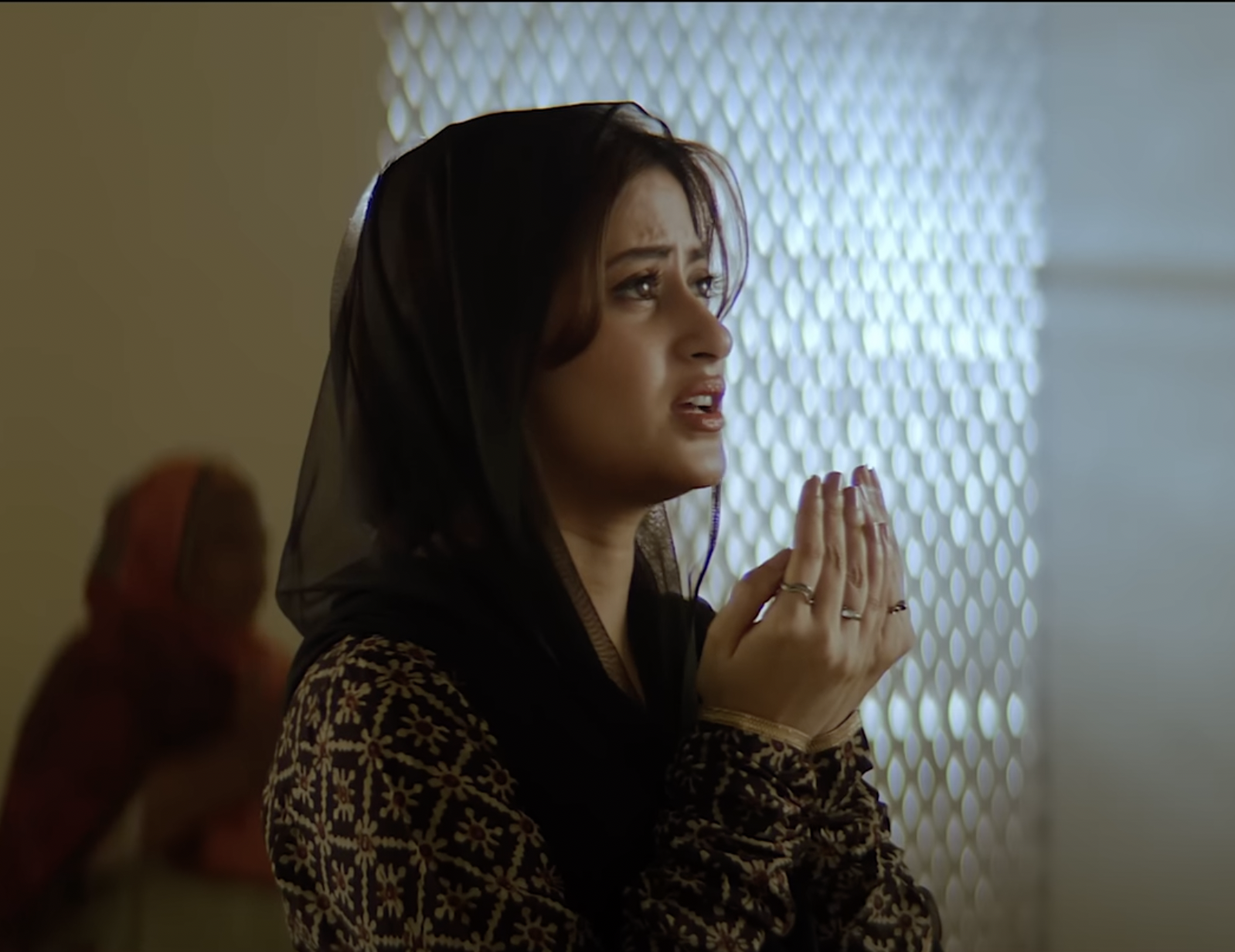


Two episodes in, Main Manto Nahi Hoon has pulled us into a moody world of a mafia family at war with itself. The plot remains unclear, but the visual language is flawless.
Director Nadeem Baig uses arches, stairwells, and courtyards framing scenes with the detail of a master. At this point I will watch the drama on mute just for the stunning locations and videography that set the stage for Khalil-ur-Rehman Qamar’s script to unfold. These spaces range from the palatial to the modern – all shot with pristine artistry.
Will the script live up to the beautiful art direction?
So far, spunky Mehmal Amritsari (Sajal Ali) drifts through red brick corridors with restless ambition, while Saima’s phuppo Surriya brings warmth and ferocity as a matriarch clinging to a fading order. Humayun Saeed’s Professor Manto is shockingly oblivious. As the plot gets its footing the visuals have already hit a home run!
The use of architecture to tell a story of contemporary power struggles:
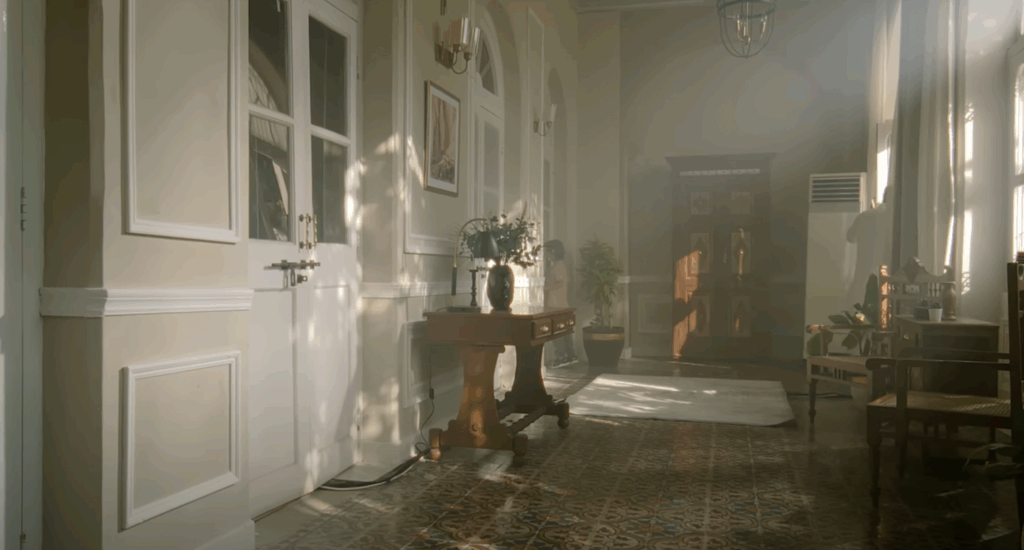
This sunlit corridor in the Amrtisari home with its arched doors and antique furniture, depicts legacy and heritage. The family portraits on the wall show that while the family may be at odds they are still deeply connected.
.
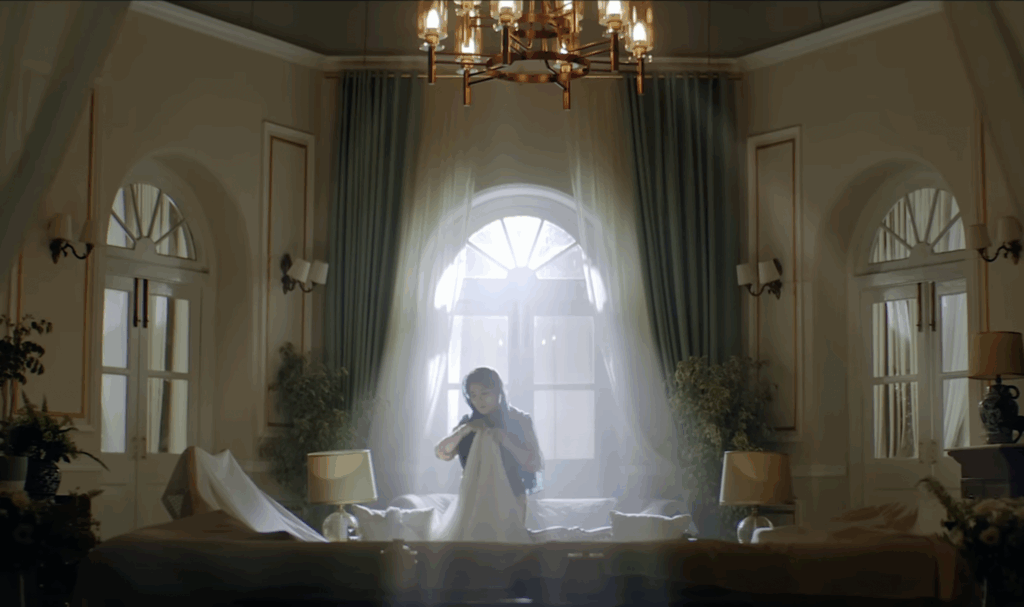
The visual language here is reminiscent of Sanjay Leela Bhansali’s grand, painterly compositions but stripped of ornament for something more intimate and sharp.
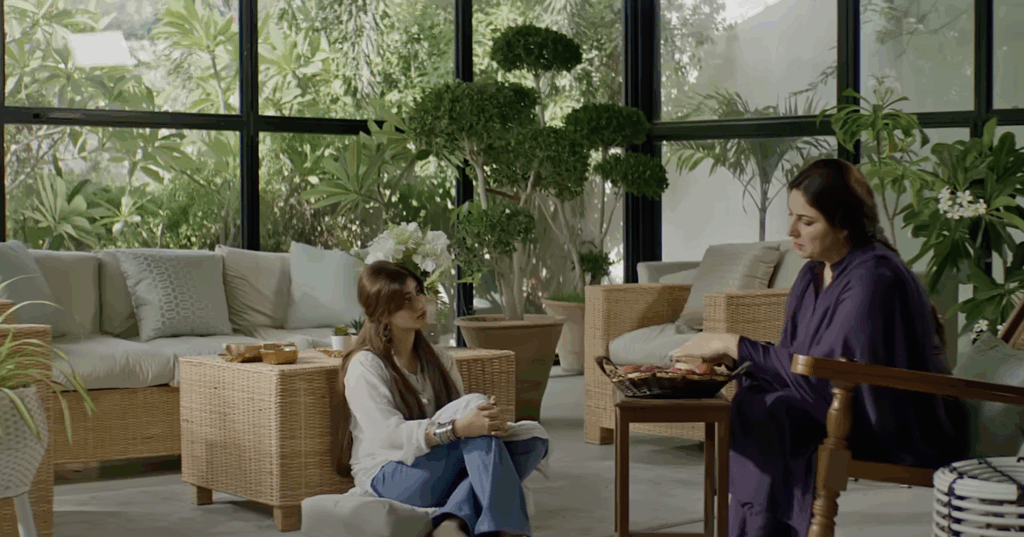
Unlike the visually grand halls with arches and dusk-lit corridors, Mehmal and Surriya bond in this cozy, sun-lit space. The lush green textures and wicker furniture is unlike the rest of the home. A safe space for the two women. Here trust can be built.
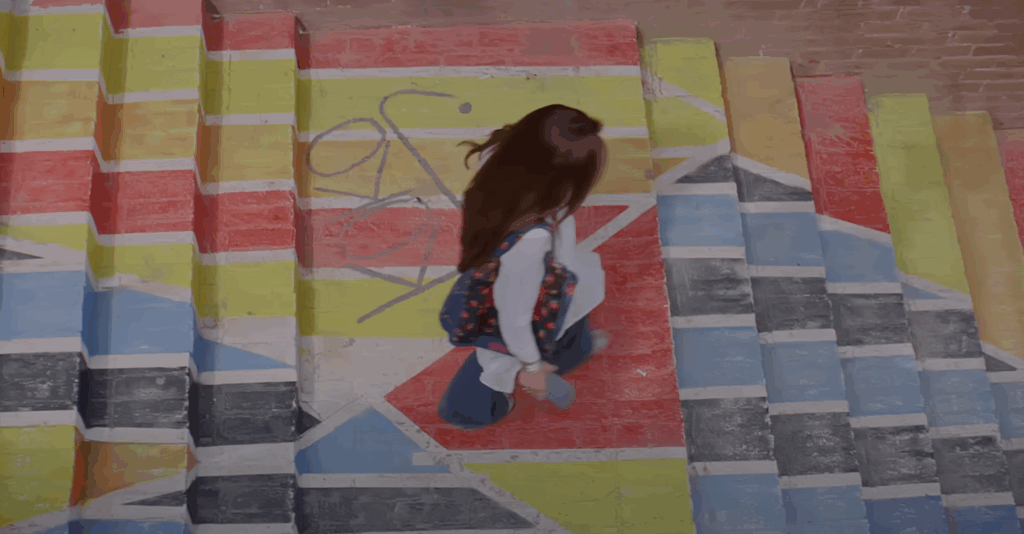
Here we see Mehmal skipping across a modern and bright floor mural at her university. This world is aesthetically and socially the opposite to the earthy spaces of her home.
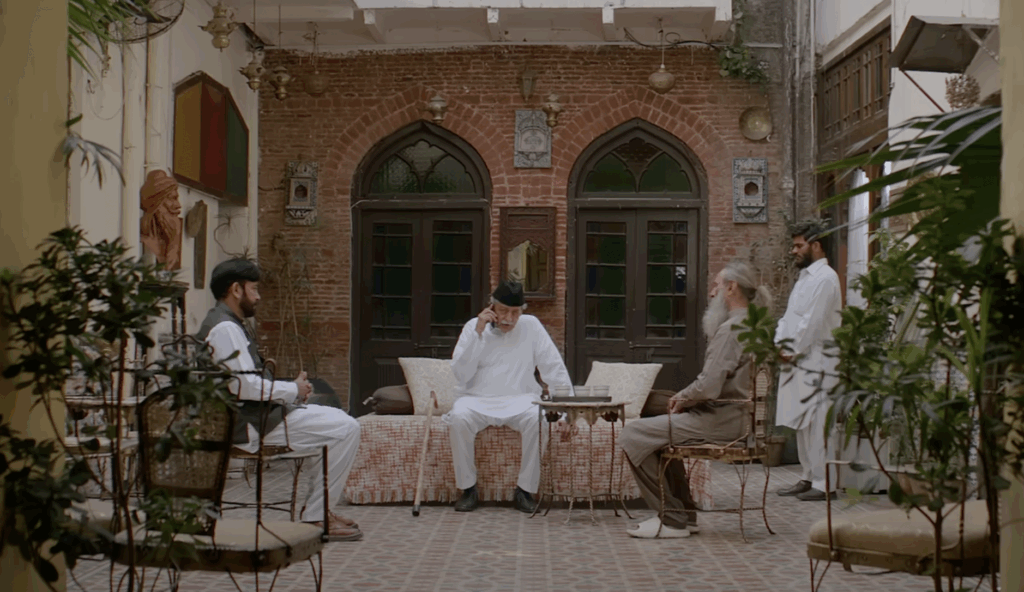
This red brick courtyard, typical of old Eastern homes, frames the family head (played by Salman Shahid) in a position of power. The art direction uses its open space and symmetry to visually assert tradition.