

High ratings, viral OSTs, and red carpet premieres paint a glossy picture of Pakistan’s drama industry. But behind the camera, a broken system is bleeding its own people dry—and the professionals who have built this industry are done staying silent.
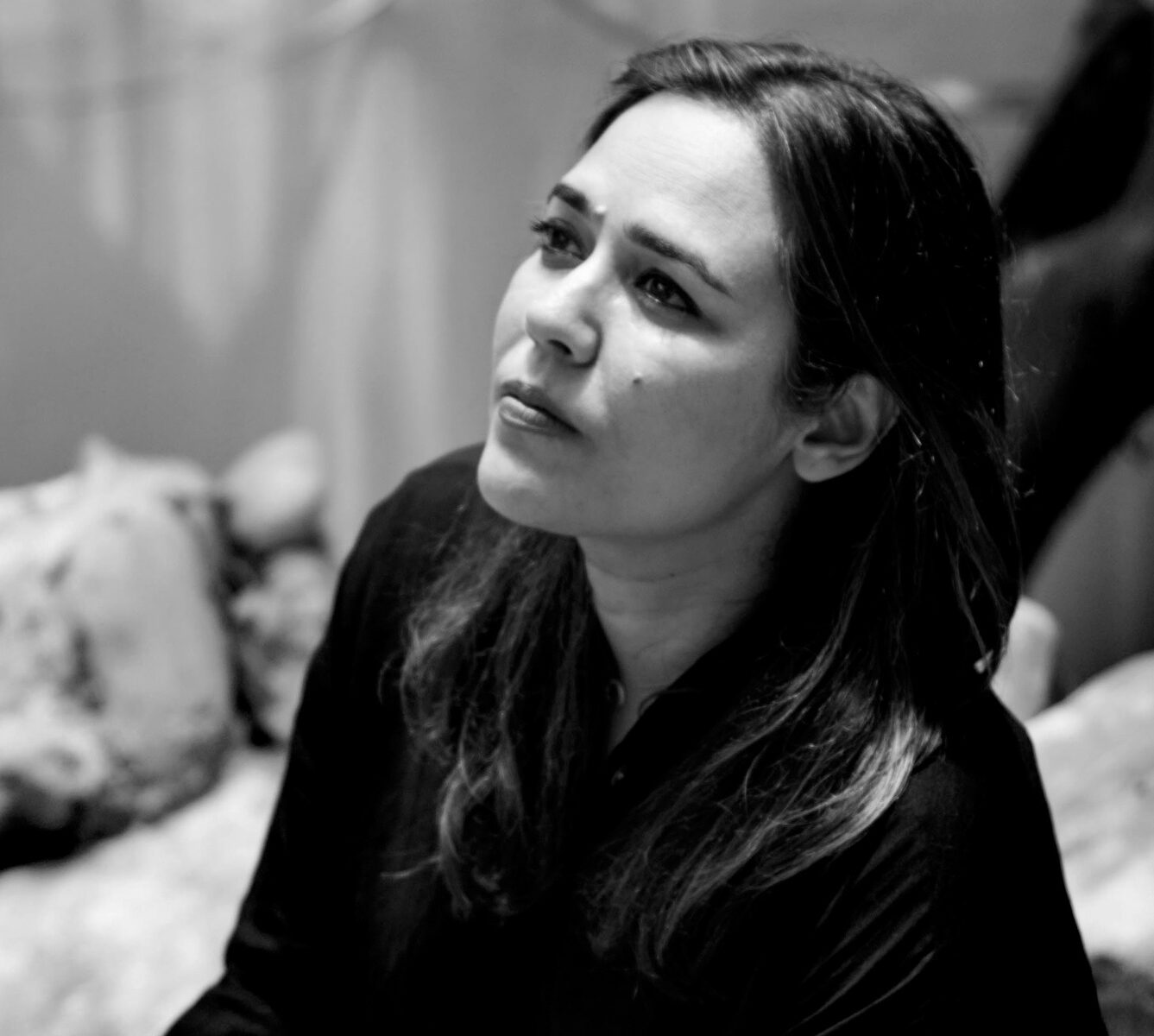
Director and producer Mehreen Jabbar, in a recent conversation with Drama Pakistani, described the hidden reality of endless payment delays, underpaid crews, and unprofessional practices that continue despite decades of industry growth.
For years, late payments, vague contracts, and unprofessional practices have been brushed off as “part of the process.” Now, writers and directors are banding together, demanding a system that pays its people fairly and on time.
In exclusive interviews with Drama Pakistani, director Mehreen Jabbar shared that despite decades of industry growth, exploitation remains rampant.
“In Pakistan, you have to chase every channel and production house like beggars, asking when you’ll get paid,” Mehreen said. “Everyone faces this, from actors to the spot boy to the director. There is no system, and if you ask anyone, you’ll hear thousands of stories about payment issues.”
Writers, directors, and actors are now openly calling out the industry’s silence around financial injustice.
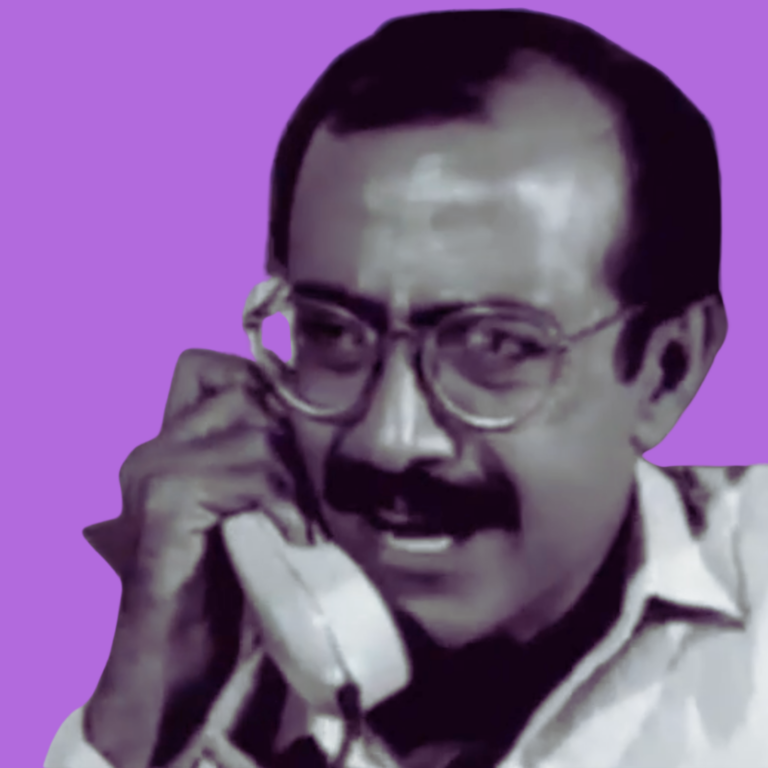
Writer-director Syed Mohammad Ahmed echoed Mehreen’s call during his conversation with Drama Pakistani:
“Actors are forced to chase production houses for their rightful pay. This issue has existed for years, but no one talks about it — because discussing money is still seen as taboo. But in today’s world, financial stability is essential. Why must we prove we’re struggling just to get paid? If actors are expected to honor contracts with punctuality and dedication, why don’t the same rules apply to payments?”
This is not just a financial issue; it is a moral one
Behind Pakistan’s highest-rated dramas are writers who struggle to pay bills while channels profit from their scripts. Directors chase payments for months while their work dominates ratings. Crew members who light sets and manage production chaos are paid the least and wait the longest, without any union to protect their rights.
But a shift is taking place
Filmmakers like Nabeel Qureshi, Syed Mohammad Ahmed, Arjumand Rahim, and Mehreen Jabbar are among many joining voices, demanding unionization, enforceable contracts, and timely, fair payments across the board.
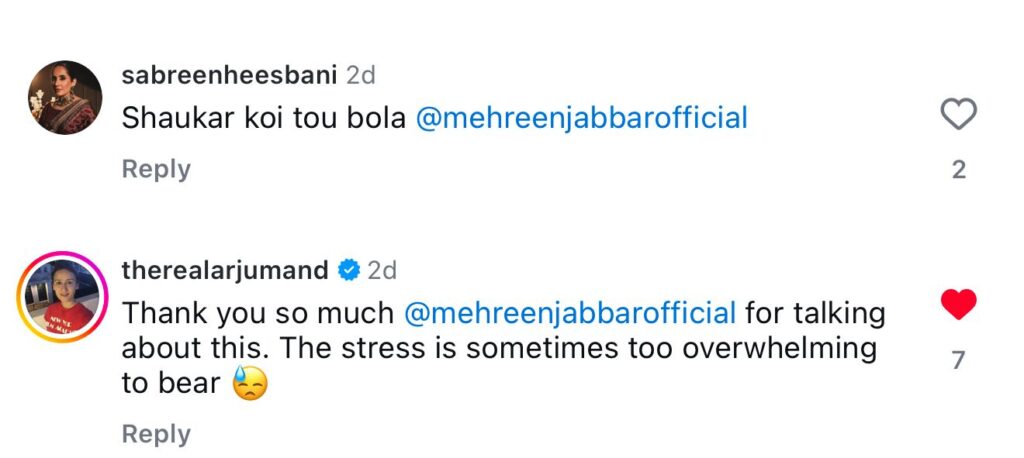
Nabeel Qureshi has highlighted how the absence of structured systems leaves creative professionals powerless, while Arjumand Rahim has emphasized that passion alone cannot sustain an industry that refuses to pay its people fairly.
In an industry long divided by competition, writers and directors are now united in calling out the silence, breaking the taboo around discussing money, and demanding a drama industry that honors contracts with the same punctuality it expects from its people.
Pakistan’s drama industry is the country’s largest media industry, but it is failing those who make it possible. This contradiction can no longer be ignored.
It is time for Pakistan’s drama industry to live up to the stories of justice it tells—and pay the people who bring those stories to life.
Last year, the Writers Guild of America (WGA) strike brought Hollywood to a halt, forcing studios to negotiate fair pay, job protections, and residuals for writers. It was a reminder that creative professionals are workers—and that organizing can hold industries accountable.In Pakistan, there are no unions with the power to protect writers, directors, and crew. There are no standardized contracts or safety nets if a producer delays or withholds payment. Dramas rerun for years, generating revenue, yet there is no system of residuals.
For older actors and crew who have given decades to this industry, there is no pension, healthcare, or financial safety once the work dries up. The system celebrates their faces on screen but abandons them when they need support the most.