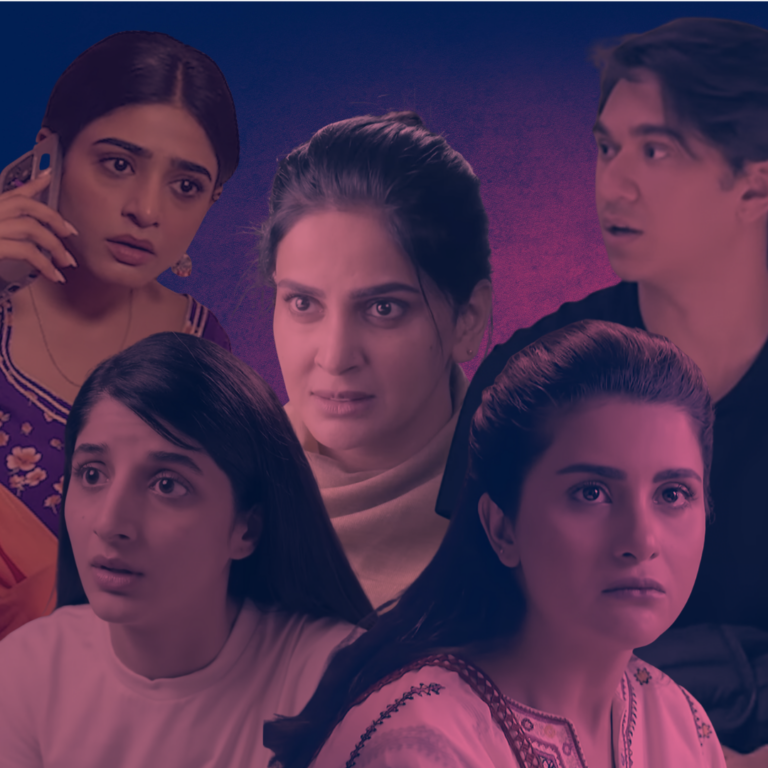


The “haw haye” brigade thinks that divorce spells eternal doom for a woman leaving her with no hope of salvation. Dastak challenges this nonsensical notion, depicting divorce simply as the end of a terrible chapter and the beginning of beautiful new possibilities.
Airing on ARY, Dastak deserves kudos for showing that a woman’s story doesn’t end with divorce. The drama starts off slow with Kiran (Sohai Ali Abro) and Saif (Feroz Kadri) in a painfully toxic marriage. But it picks up pace when Moiz (Ali Raza) reenters Kiran’s life, offering her a second chance at love.
With its layered character arches and nuanced narratives, Dastak is undoubtedly challenging stereotypes. Here’s what we love about the play:
Moiz is a major green flag
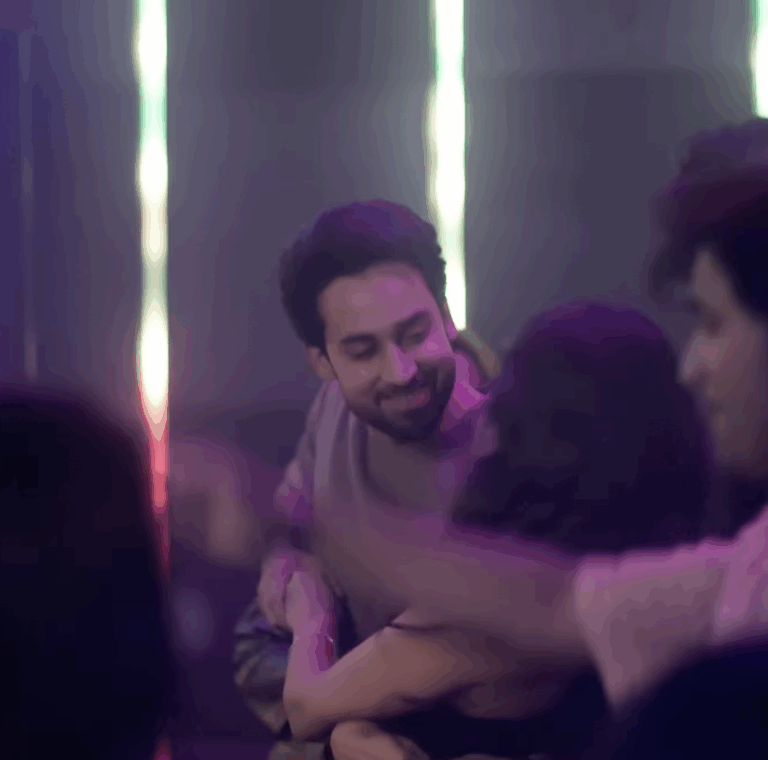
Moiz boldly swims against the tide of our archaic desi society, where it is strictly a no-go for a bachelor to marry a divorcee with a child, and showers Kiran with the respect and love she deserves. It is a heartening take on masculinity after being subjected to an overdose of patriarchy on air.
Ali Raza (as Moiz) brings his character genuine empathy, making it easy to admire the grace with which he challenges the “divorce is shame” trope. Natural and effortless, he plays the character to perfection, and his onscreen chemistry with Kiran (Sohai Ali Abro) draws us into their unconventional love story.
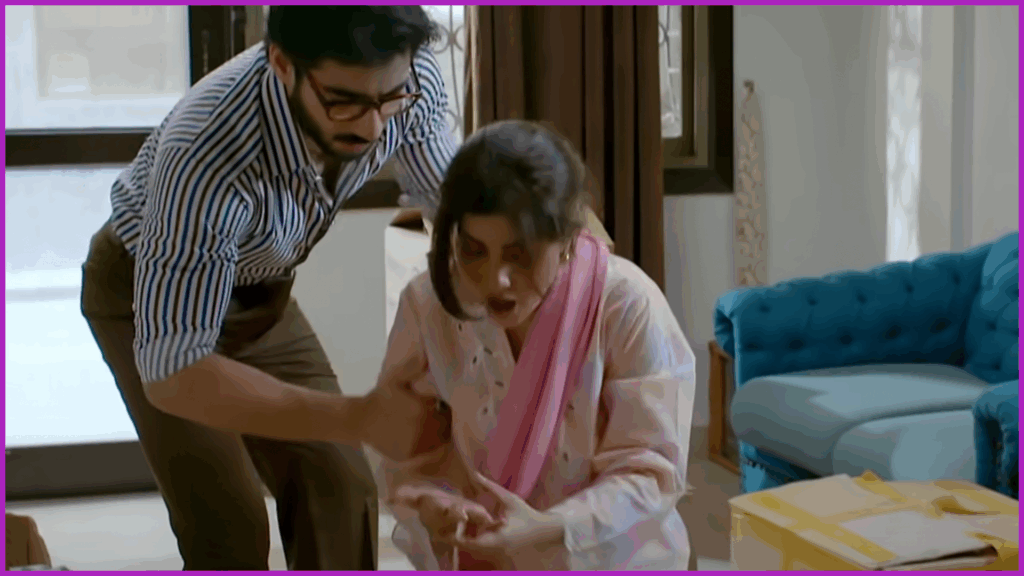
To be honest, I had given up on the drama after watching the patterns of abuse inflicted by Saif, but Moiz was the character that pulled me back in and kept me glued to the screen all throughout.
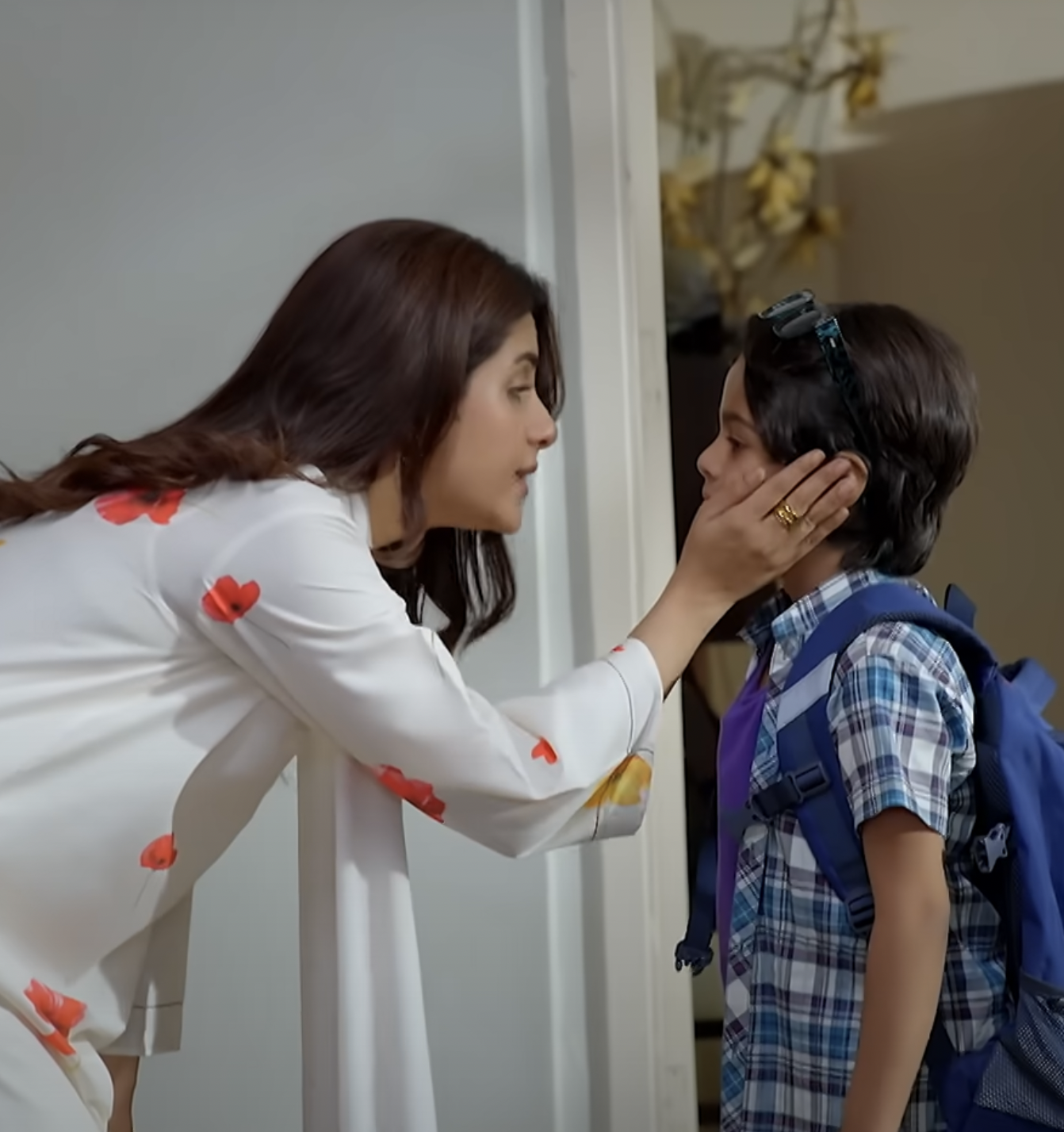
It takes a lot of courage for a man to defy the odds, go against his family and not just marry a divorcee but also accept her child. I was bowled over by the scenes where he helps Kiran set up her new home, stays by her side, and forges a bond with her son. It is such a pleasant change to see the soft, sensitive side of a man, a far cry from the slut-shaming, abusive husbands who make their partners’ lives miserable with their inflated egos.
The only flaw is that, like all fictional characters, Moiz is almost too good to be true. Sigh!
Single but strong
Thank heavens Dastak steered away from the all too predictable cliche of the “helpless, bechari aurat” moping endlessly over her fate, wallowing in self pity. The writer spared us the misery of yet another done to death, damsel in distress story which I don’t have the patience to watch anymore. Not that we don’t empathize with Kiran’s circumstances, but I love how she stays strong come what may.
Before Moiz’s enters the scene, she had already redirected her life back on track. Moiz didn’t return to a teary eyed, weak Kiran who had given up on life; he met a strong and empowered version of his friend and rest assured he married her out of genuine love, not mere sympathy.
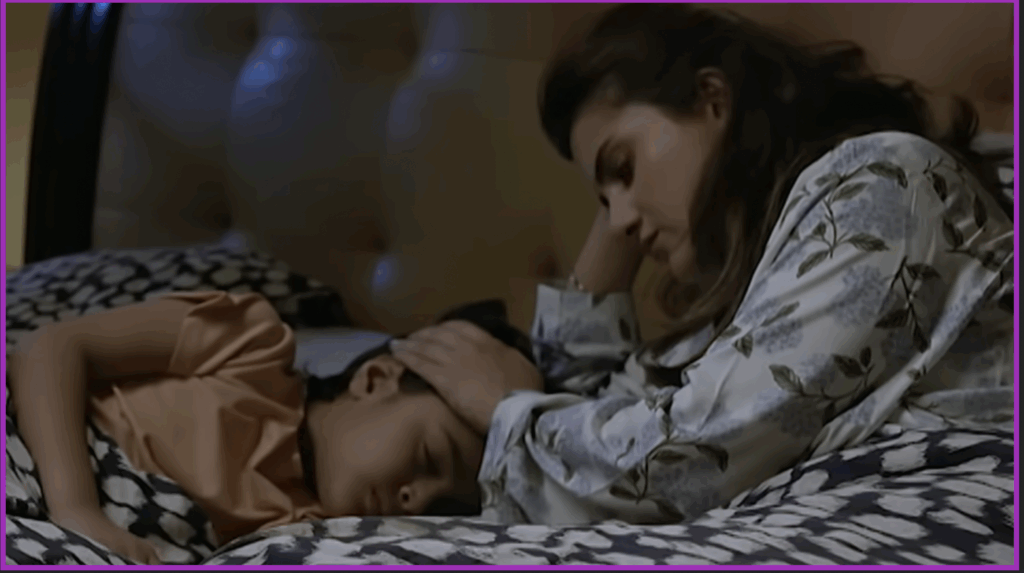
I must say Sohai Ali Abro is remarkable in her role and I feel she is such a gifted yet underrated actress. She brought quiet strength and nuance to a character that went through so much turmoil and trauma, the aftereffects of which lingered on throughout the serial. Suffering unthinkable pain and hardship in her marriage, and then opting to walk out of the misery, Sohai nailed her portrayal of a headstrong woman who knew better than to play the victim card.
Instead of sobbing her life away, Kiran took charge like a true Shero, listened to her Mamoo’s advice of pursuing her passion and rebuilt herself around a successful career as a wedding planner.
Despite societal pressure to get married again, she stood firm and stayed single until she was financially independent, fought for custody and even moved out of her father’s home to set up her own space.
What I loved about the character was her belief and reliance in her own strengths instead of looking for a man’s shoulder to cry on. When Moiz proposed to her, she contemplated for a very long time before taking the decision and didn’t rush into marriage as an easy escape from the chaos of single parenthood.
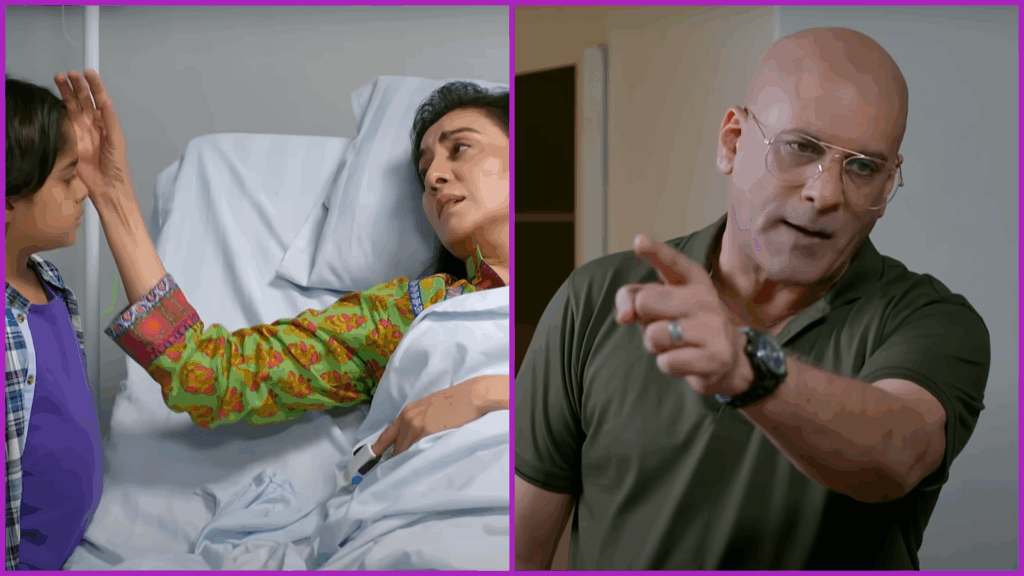
With heartwarming dialogues, plenty of positive takeaways, and a hummable OST by Rahat Fateh Ali Khan as the cherry on top, Dastak prompts viewers to reflect on the senseless taboos in our society, shifting mindsets one episode at a time. As the serial approaches its finale, let’s hope its message resonates and stays with viewers for a long time.
.
Sahar Sohail Khan is a writer and teacher.