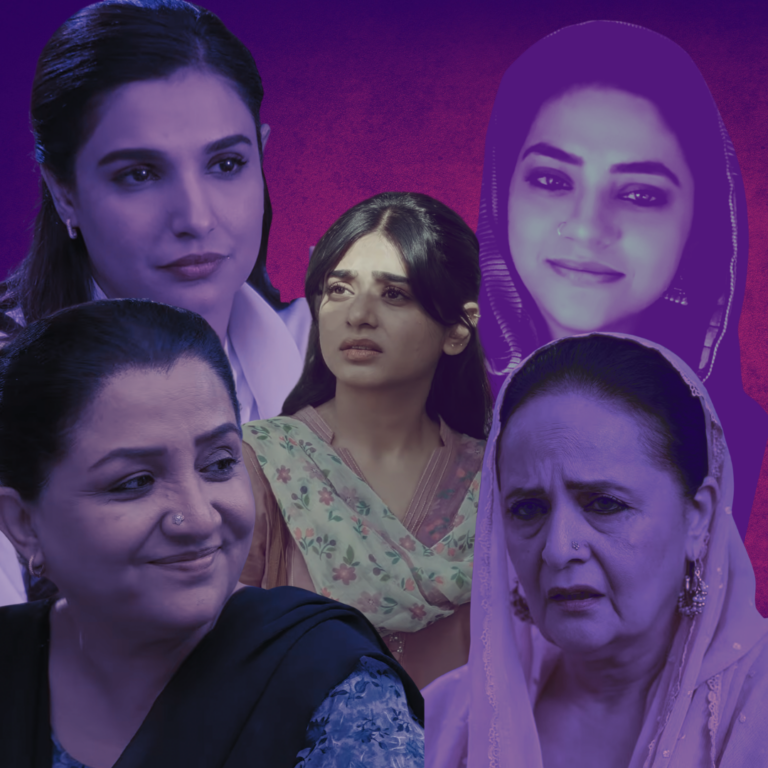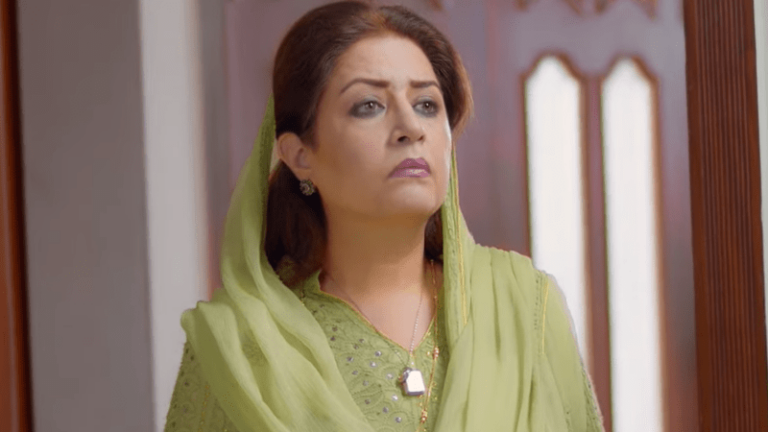
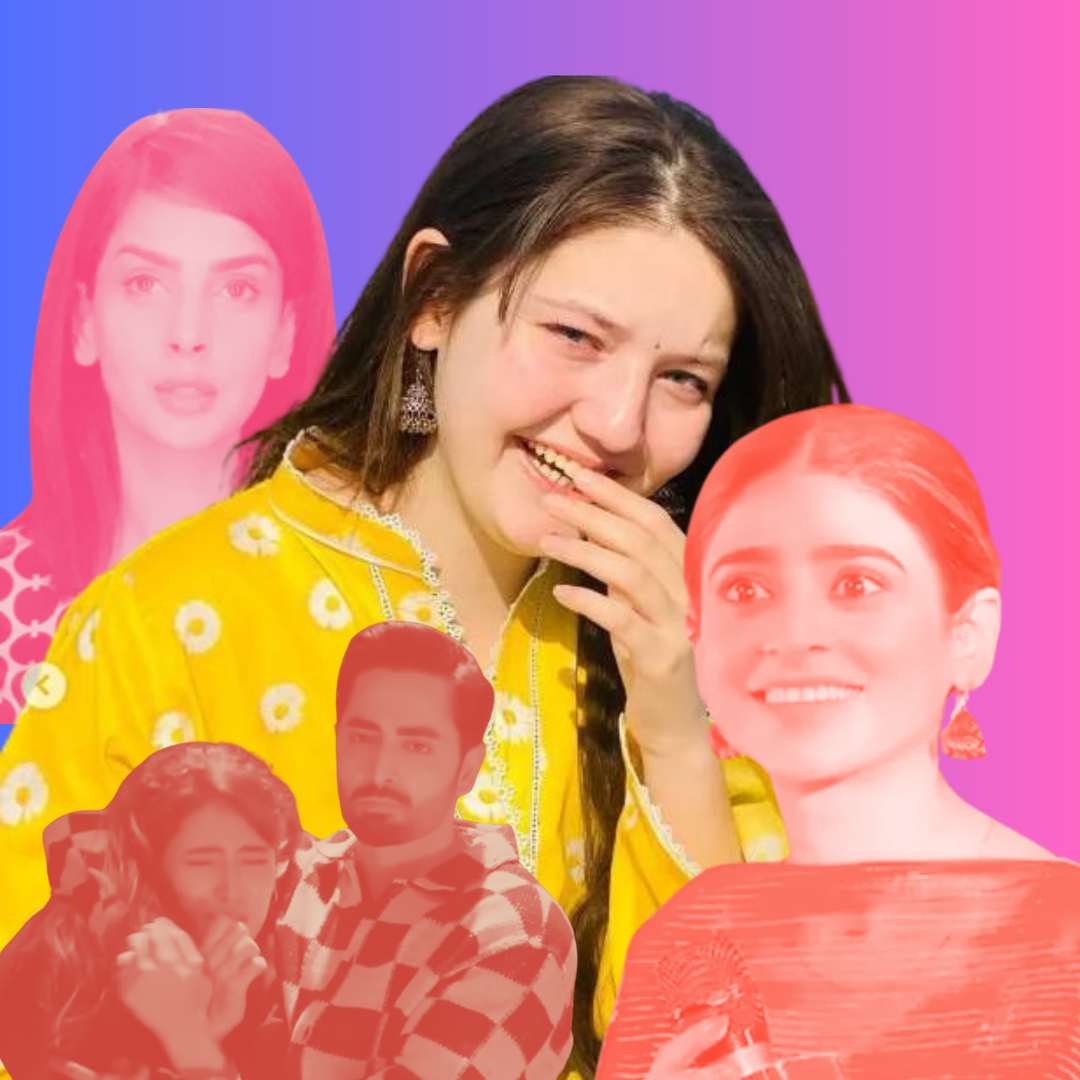


Television in Pakistan rarely pushes back. Most dramas reinforce the same message: don’t question authority, protect tradition, and preserve the status quo. A woman punished for wanting more. A man rewarded for saying less. Most of our screen stories serve the same goal. Don’t question the preacher. Don’t rock the family. Don’t ask who benefits.
Wrapped in sentimentality or moral superiority, our screen stories often make injustice feel acceptable—even noble—if it comes dressed as tradition, faith, or family values. But the stories we tell, and the ones we choose not to, shape what a society tolerates. What happens when domestic violence is normalized, often romanticized in the name of honor while men are rarely held accountable for the harm they cause.
Hate in Real Life: When Morality Turns Violent
None of this is abstract. Sana Yousuf’s death is a chilling reminder of how morality can be weaponized. The young TikTok creator was found murdered after months of targeted harassment. Her digital presence—like Qandeel Baloch before her—was interpreted as defiance. Earlier Laeeq Cheema was beaten to death by a mob. Supporters of Tehreek-e-Labbaik Pakistan (TLP) had stormed an Ahmadiyya prayer hall in Karachi, something they had done repeatedly on Fridays across the country to prevent Ahmadis from worshipping.
Forced conversions of Hindu and Christian girls are still a regular feature of the news cycle. Blasphemy accusations—often based on nothing more than rumors or doctored posts—have led to countless arrests and attacks. As of last month, more than 750 people are behind bars on blasphemy charges.
Storytelling as Resistance
It is in this context that three recent dramas—Tan Mann Neelo Neel, Mann Jogi, and Nadaan—feel not just rare, but urgent. While many dramas condone toxic masculinity, violent rage and misogyny these stood out. Speaking about the series, producer Sultana Siddiqui acknowledged that these dramas weren’t made for ratings; they were made to resist. These stories were never meant to sell. They were meant to depict our uncomfortable truths.
These dramas track its emotional infrastructure: wounded pride, religious ego, family control, societal fear. They start a conversation. Within families, between friends, and online.
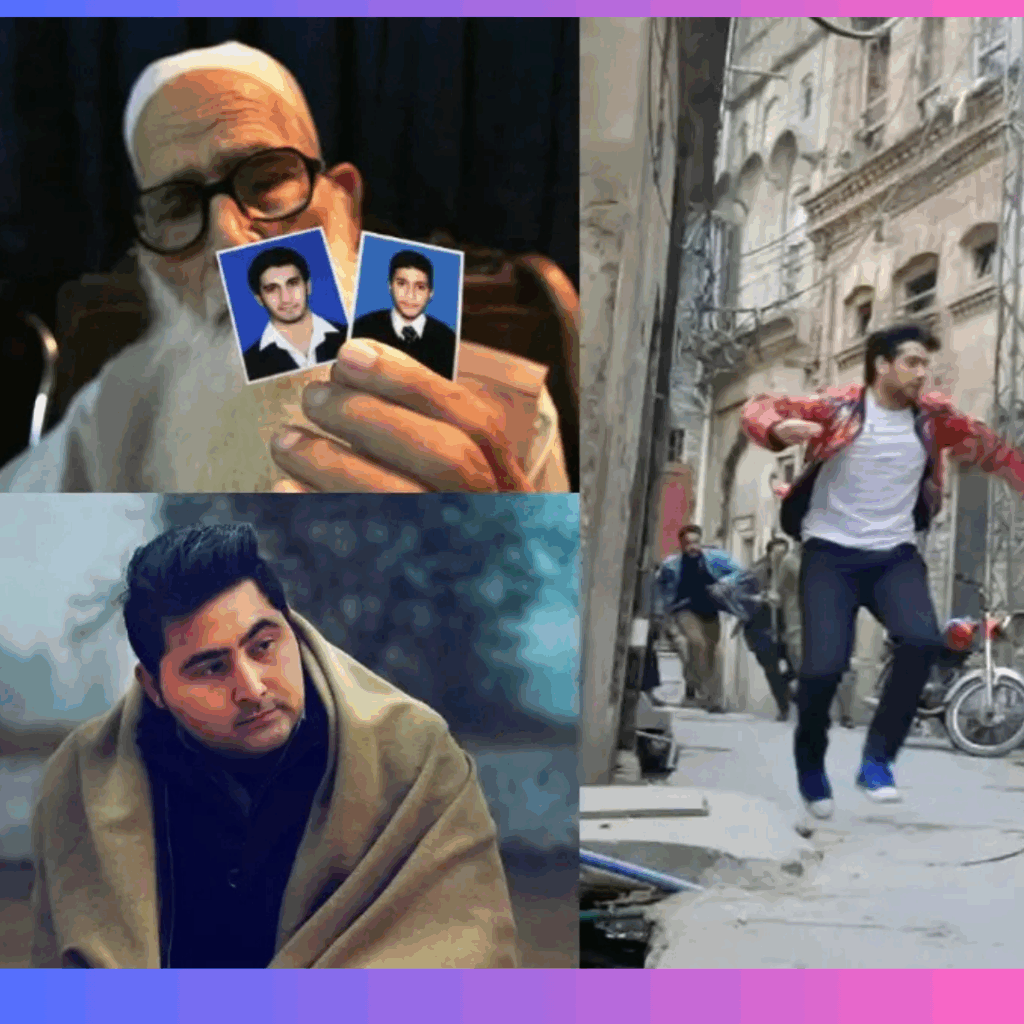
All three take aim at a dangerous convergence: religion used to justify cruelty, misinformation used to incite violence, and community silence used to keep it going. Mann Jogi exposes the exploitation of halala. Nadaan takes on moral policing disguised as piety—targeting medical science, addiction treatment, and the idea of recovery itself. And Tan Mann Neelo Neel—perhaps the most urgent of the three—traces how easy it is to turn a crowd into a weapon.
The final episode of Tan Mann Neelo Neel shows three characters fleeing for their lives from a mob. The drama ends. But the screen doesn’t fade to black. Instead, it cuts to something even more chilling: real images of people lynched in Pakistan. Names. Faces. News footage. Reality bleeding through the fiction.
A reminder that this isn’t just TV—it’s testimony. Misinformation spreads through story—viral posts, twisted images, half-true sermons. Countering that requires a better story, not just fact-checks.
The Stories We Tell—And the Ones We Don’t
This is why stories like matter. Not because they change minds overnight, but because they refuse to let these patterns go unnoticed. They demand that we remember victims not as hashtags, but as people. They trace the origins of hate not to faith, but to the machinery that exploits it.
Unfortunately, these dramas were the exception to the rule. You can’t legislate empathy. But you can tell a story that makes indifference impossible. A drama that shows what shame really looks like—not a girl dancing on TikTok, but a man calling for her death.
Stories can create conditions where someone sees the outcome of their indifference—and maybe, hesitates next time. Sultana Siddiqui wants these dramas shown in schools. She’s right to push for it. In the UK, the government recently introduced the show Adolescence into classrooms because it teaches students to recognize social manipulation and misogyny—not just as plot points, but as real dynamics in their lives. Storytelling teaches what textbooks can’t: context, consequences, and complicity. This would be great, but as veteran actor Khalid Ahmed noted, the real battlefield is mainstream TV. Most people aren’t attending panels or reading reports. They’re watching primetime. And what they see—or don’t—shapes the limits of what they believe is possible. Real change comes from what people consume in their homes—not in curated talks or classrooms. We already have a flood of dramas designed to pacify and distract.
If serious stories are always treated as one-offs, they’ll always be outnumbered. The point is not to confirm what we know. It’s to show what we’ve refused to see.