


“Culture Critic” has always felt like a misnomer to me. The word suggests someone hovering at the edges, judging from a distance, poking holes in another’s work.
In Pakistan, Kya Drama Hai, Instagram reviewers, and serious critics now coexist uneasily. Entertainment and critique collide and overlap – mutualistic and parasitic.
All over the world, culture criticism is changing. Once, reviews appeared in newspaper culture sections, long-form essays, and measured television programs. The voices that guided audiences were not actors or insiders, but professional absorbers of culture: editors, columnists, and essayists who drew from years of observation.
Critics: judges or interpreters of art
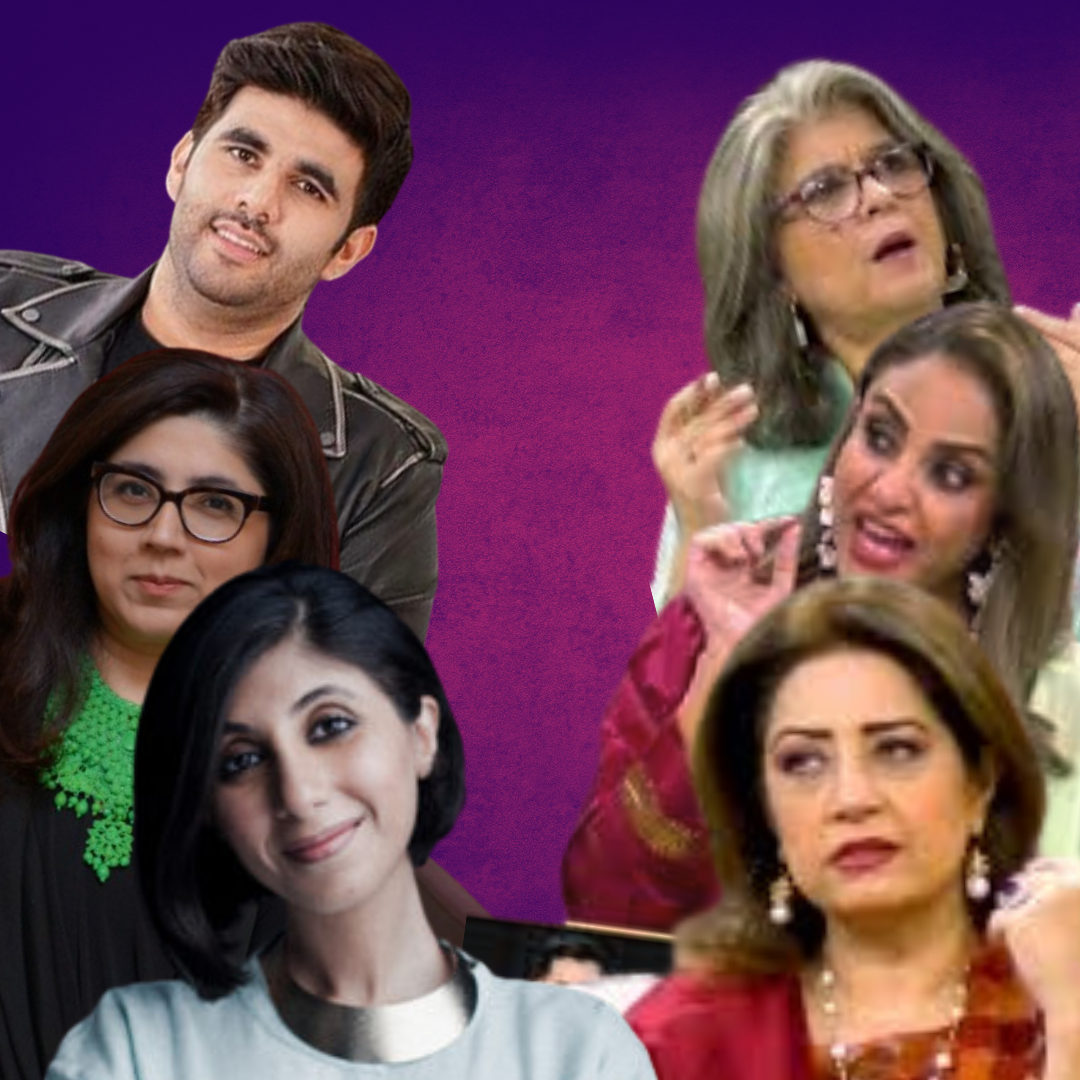
Today, that landscape is less simple. On television, Kya Drama Hai puts actors like Atiqa Odho and Nadia Khan in the critic’s chair, sometimes parodying scenes from dramas in which their peers perform. It is witty, often biting, and wildly popular but it also blurs the line between critique and spectacle. Celebrities have traded barbs with the hosts, questioning whether this is commentary or comedy. The public conversation has become downright combative.
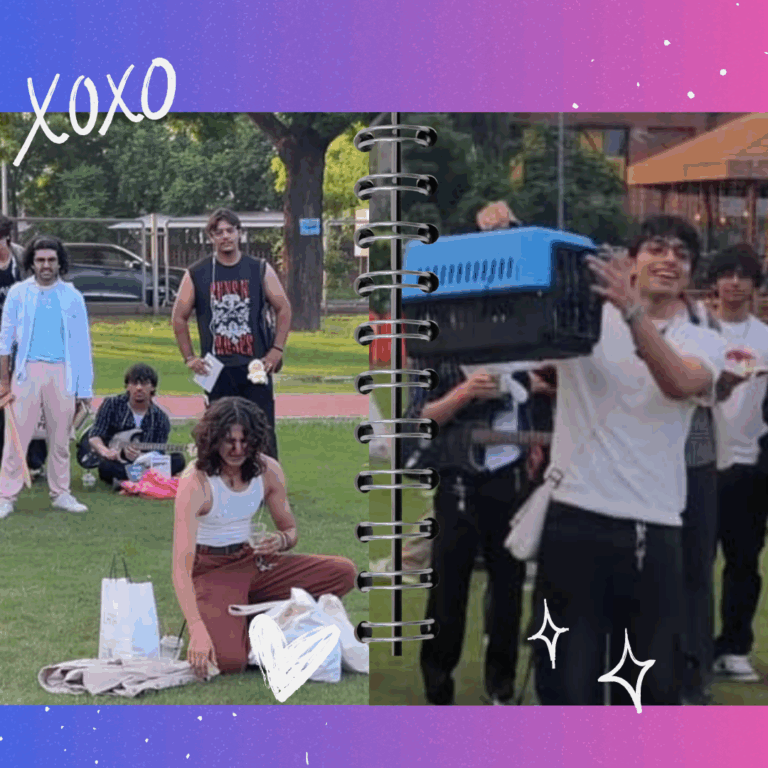
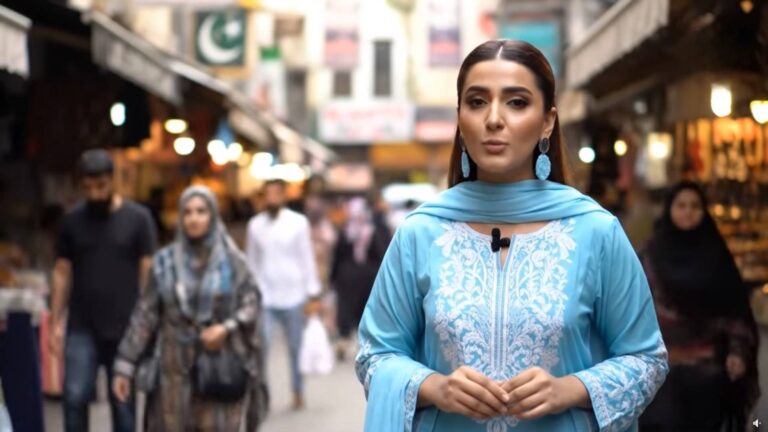
Online, Instagram reviewers offer more personal observations. Armed with a ring light, a phone, and a following, they deliver quick, shareable takes. Their approach is democratic, intimate, and energetic, giving audiences a voice. Often creators lead the way in ponting out problematic plots. Social media creator Tamkeenat shows how video responses can be both accessible and thoughtful. Now, even mainstream media often looks to these independent reviewers for reactions and talking points.
Meanwhile, traditional criticism still persists. Critics like Maliha Rehman, Kamran Jawaid, and Sabahat Zakariya provide genuine insight. Their reviews situate dramas, films, and literature within cultural memory, helping audiences understand what happened on screen and also why it matters. They are reminders that criticism can educate.

A good critic doesn’t simply appraise or dismiss. They sit with the work long enough to ask not just whether it succeeded, but what it was trying to say, what it meant, and whether it was worthy of our collective attention. Tolstoy, in What Is Art?, argued that the purpose of art was not beauty alone, but communication: the forging of connection.
At the risk of sounding bombastic, I now ask: what is a critic?
Not a reviewer, or a reactor, or a meme-maker. But a critic.
If art is communication, then the critic is its interpreter. Their job is not to arbitrarily rate on a scale as if art is a product on Daraz. The role is not adversarial but companionate: to walk alongside art, sometimes challenging it, sometimes defending it, always trying to consider its place in our shared lives.

A critic’s responsibility is not only to analyze what is presented, but to consider the stories we choose not to tell. As cultural critic Nadeem Farooq Paracha notes:
“We only highlight things about our collective past that are according to what we like and imagine, while shunning, repressing and even decrying those bits that contradict our current stances.”
Thoughtful criticism, then, is as much about illuminating absence as presence – asking why certain narratives are amplified while others are erased.
Is the culture critic dying or evolving
Pakistan’s shifts mirror a global pattern. As Charlotte Klein reported in New York Magazine, the Associated Press ended its weekly book reviews, the Chicago Tribune lost its chief film critic, and Vanity Fair parted ways with Richard Lawson. Even The New York Times reassigned four critics to new roles, drawing concern over the shrinking of arts coverage. Klein notes:
“The vast majority of reviews go virtually unread… Part of the problem is that reviews now float amid millions of other pieces of similar content on the web instead of being part of a bundle that you used to get on your doorstep.”
The crisis is partly structural. Analytics make audience preferences painfully clear, and standalone reviews rarely drive traffic or ad revenue. Yet, as Klein observes, the necessity of thoughtful criticism remains:
“Criticism isn’t a matter of quick opinion, thumbs up or down… Criticism is ideally something a great deal more probing and interesting than that… People are going to need beacons of taste to get through this onslaught of really discombobulated media.”
Thus we return to the question we started with: what is a critic?
A critic does not judge for the sake of judgment. They do not wield authority as a weapon. As Tolstoy wrote “Art is the transmission of feeling.”
So, it follows the critic’s purpose is to feel.
In an age of memes, reels, parody, and viral opinion, that is a responsibility worth defending.