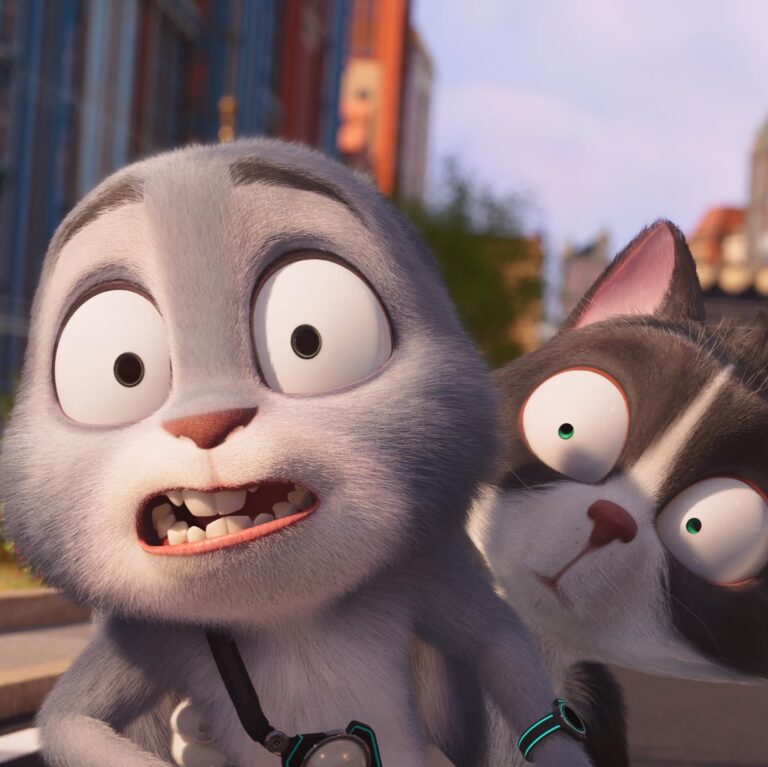
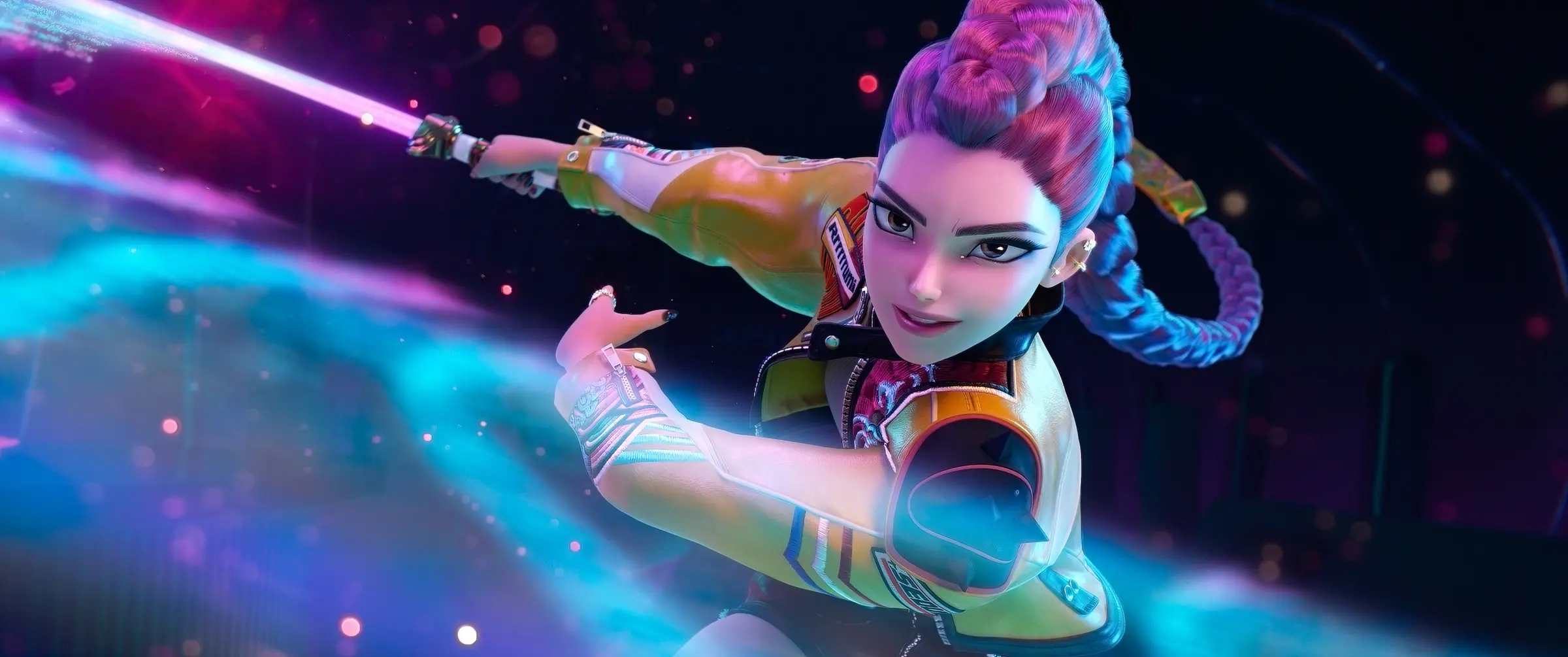



Netflix’s newest record-breaker isn’t a Marvel spinoff or another Ryan Reynolds quip-fest. It’s KPop Demon Hunters, a neon-drenched animated spectacle where K-pop idols moonlight as demon slayers and, oh yes, also dominate the Billboard Hot 100. With 236 million views, it’s Netflix’s most-watched movie ever, dethroning Red Notice.
It tells the story of three hunters who use music’s power to move and connect hearts to create a barrier – the “golden Honmoon” – that will keep the forces of evil demons at bay.
Producers in Pakistan please note, this is your time. Our stories, our music, our animation could travel the world too…if we let them.
A Cross-Demographic Unicorn
What makes KPop Demon Hunters stand out isn’t just the numbers. It’s that rare cross-demographic hit in a streaming era when audiences are fractured across algorithms and devices. The movie sits in Netflix’s Top Ten in over 90 countries. And while its themes (friendship, empowerment, good vs. evil) are universal, its details are unapologetically, hyper-specifically Korean. The animators embed visual cues like that make this a local setting: patterns on plates, road signs and restaurant items. Social media is full of viewers who recognize these nods to the audience.
That’s the point. Authenticity travels.
Don’t Underestimate Animation
KPop Demon Hunters is a glossy teen-to-adult animation that went viral. Globally, adult animation has been quietly exploding: Arcane, BoJack Horseman, Blue Eye Samurai, even anime crossovers on Netflix pulling massive audiences.
Pakistan still treats cartoons as moralistic preaching for children. With the exception of Usman Riaz’s Glass Worker, animation is strictly relegated to preachy kid-stuff. Burka Avenger put us on the map but the industry hasn’t leaned in. We consider “cartoons” children’s while the rest of the world embraces animation as a prestige format for adults. That’s a missed opportunity.
Celebrity doesn’t equal success
KPop Demon Hunters is a vehicle for a new age of music. Four songs charted on the Billboard Hot 100. Fans streamed the soundtrack, TikTok’d it, karaoked it. The film became an album despite no big names being attached to the project. The songs shot to success with almost no marketing.
This is completely counterintuitive to the Pakistani selling mantra that has become reliant on brand ambassadorship, celebrities and influencer. A celebrity is only as powerful as the material they are given to work with.
The singing stars of KPop Demon Hunters come from relative obscurity. EJAE, who provides the singing voice for the main character, Rumi, made an unsuccessful K-pop debut, and went on to find success on the other side of the recording booth, writing and producing. The same could be said for Andrew Choi – the singing voice of another major character, Jinu – whose career hadn’t gone far before this.
Movies Can Work Without Big Budgets
Irony alert: Sony, the studio behind KPop Demon Hunters, didn’t even have faith in its own product. They sold it to Netflix for $100 million a fraction of its eventual cultural value. Imagine the hair-pulling at corporate HQ when it not only shot to the top of Netflix but also dominated Billboard with tracks like Golden, How It’s Done, Soda Pop, and Your Idol.
A full month after release, Netflix doubled down with a theatrical sing-along version. Cinemas packed out with both kids and adults waving glow sticks and belting lyrics. Organic momentum like that can’t be purchased by google ads.
The Pakistan Takeaway
The success of KPop Demon Hunters isn’t about algorithms, marketing hacks, or formula. It’s about authenticity.
For director Maggie Kang, the project started from a simple but radical desire “to see something culturally set in Korea and to really embrace that” something she hadn’t seen in Western animation.
That lesson is, lean into specificity rather than sanding down for “universal” appeal.
Will Pakistan keep watching other other countries’ cultural exports dominate global screens while we remain trapped in an insular, self-congratulatory loop?