


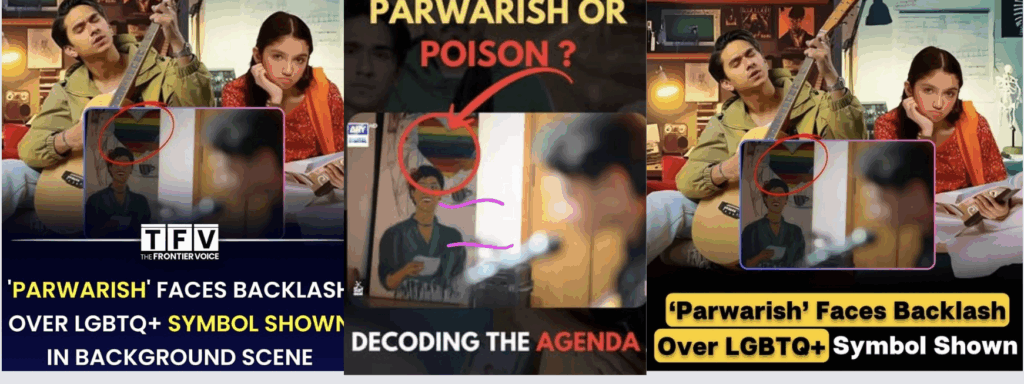
The moral outrage over Parwarish began the way most internet scandals do: with one screenshot. One frame, shared a thousand times over. A blink-and-you-miss-it second in ARY’s hit family drama Parwarish The scene that became the centre of controversy was one where the protagonist Wali records a song with his mentor and friends. A moment that was supposed to be about art, joy, and connection was twisted into something abhorrent.
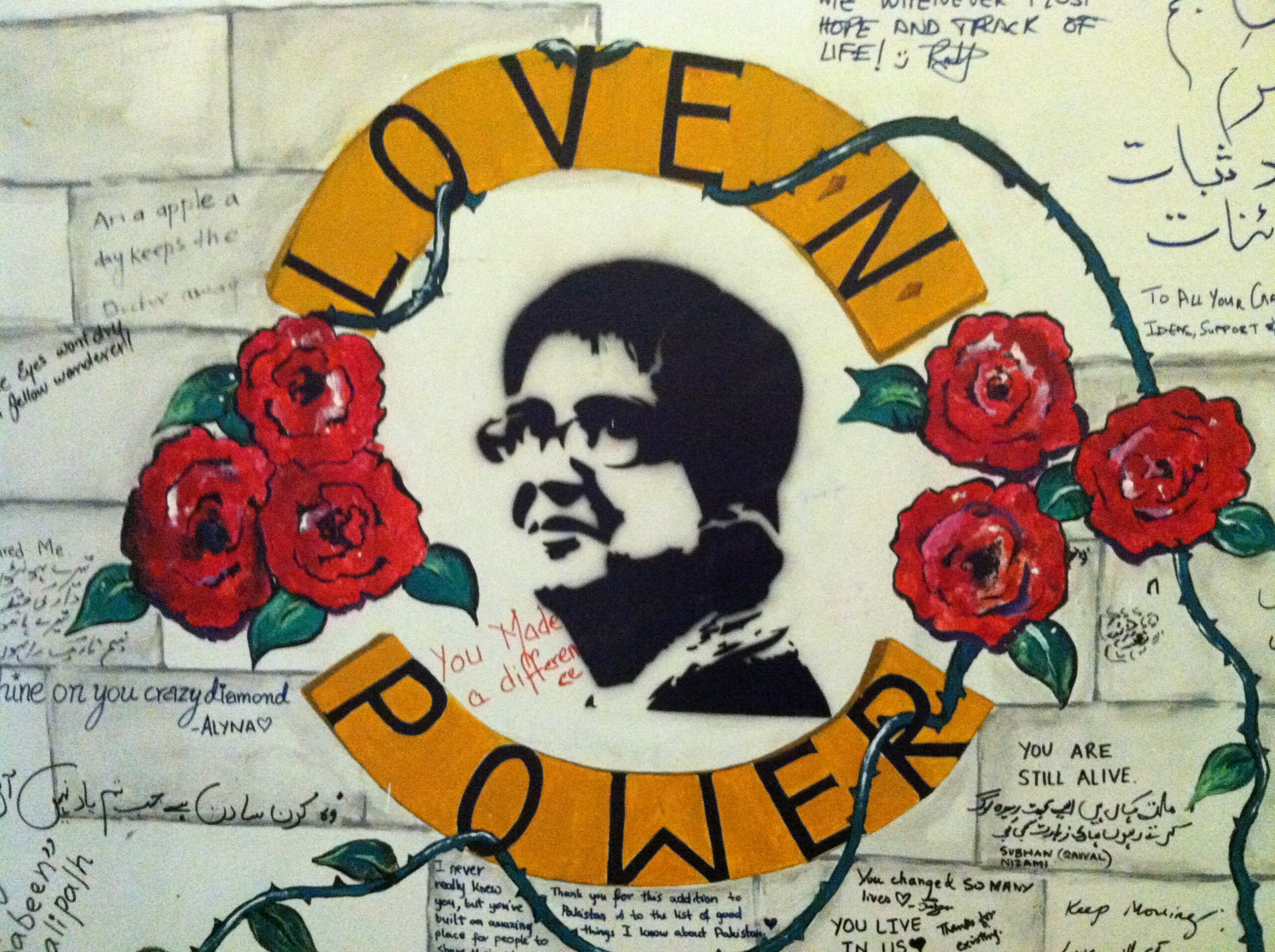
The reason was a split second shot of a mural on the wall. It depicted a smiling woman, painted lovingly with a heart in the background in rainbow colours. Who was she? Sabeen Mahmud: slain human rights activist, intellectual, and fearless truth-teller who was assassinated in 2015.
Entertainment pages, blindly recycling the same content from each other, claimed the drama and the mural promoted LGBT culture. The vitriol and conspiracy theories that followed garnered clicks and views.
Though the image went viral no one asked who the woman in the mural was, or why she mattered.
The tragedy here is not just wilful ignorance, it is an attack on Sabeen’s memory by the very forces she challenged. She gave her life for free speech, for open dialogue, for dissent. And now, years later, her image is being used to stoke hate in the name of morality.
Let’s not let the uninformed dictate the narrative. Do your research. Know your heroes.
If Sabeen Mahmud were here, she might have laughed – not of amusement but out of that sharp, defiant exhaustion familiar to those who spend their lives pushing against the tide.
She might have hosted a talk at T2F the very next day titled “Murals and Moral Panic,” inviting artists, activists, and even the trolls because she believed in engagement, not echo chambers.
She probably would have hugged the creators of Parwarish, told them to keep making art, and reminded them that when you make something real, someone somewhere will get upset and that’s usually a sign you’re doing something right.
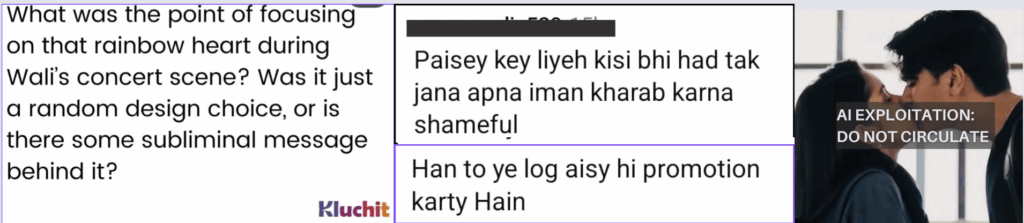
Selective Morality
The same internet that erupted into a panic over a split second shot of a mural is silent when flooded with AI-generated kissing scenes of Parwarish characters. The likenesses of the actors, some of whom are under 21, are warped into intimate poses without their consent. Yet there has been no comparable moral outrage, no calls for accountability, no demands for censorship or bans. The silence underscores how selectively outrage is deployed — loud against imagined threats to “values,” quiet in the face of actual exploitation.
Our obsession with imaginary agendas distracts from the real violations happening under our noses.
While countries like the UK and Australia are regulating deepfake tech to protect minors and prevent AI image abuse, the morality police’s outrage in Pakistan remains selectively directed – aimed at disenfranchised groups, while real abuse goes unchecked.
This is the fodder of online hate: out-of-context soundbites, isolated screenshots, and weaponised virtue.
Let’s all remember this moment.
Remember how easily art can be misunderstood, how swiftly memory can be misused, how fragile truth becomes when filtered through bigotry.
The Urgency of Responsible Storytelling in Pakistani Television