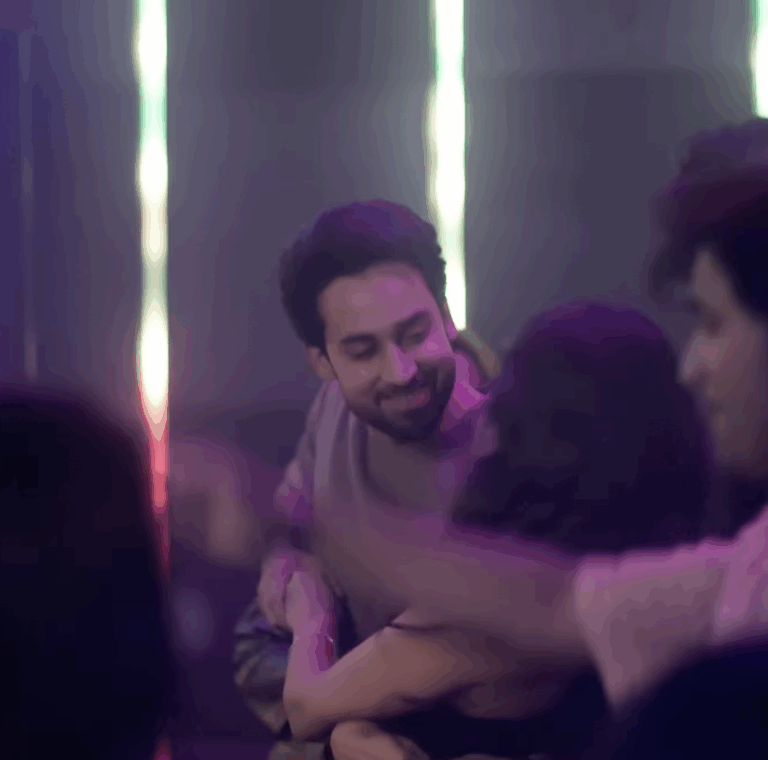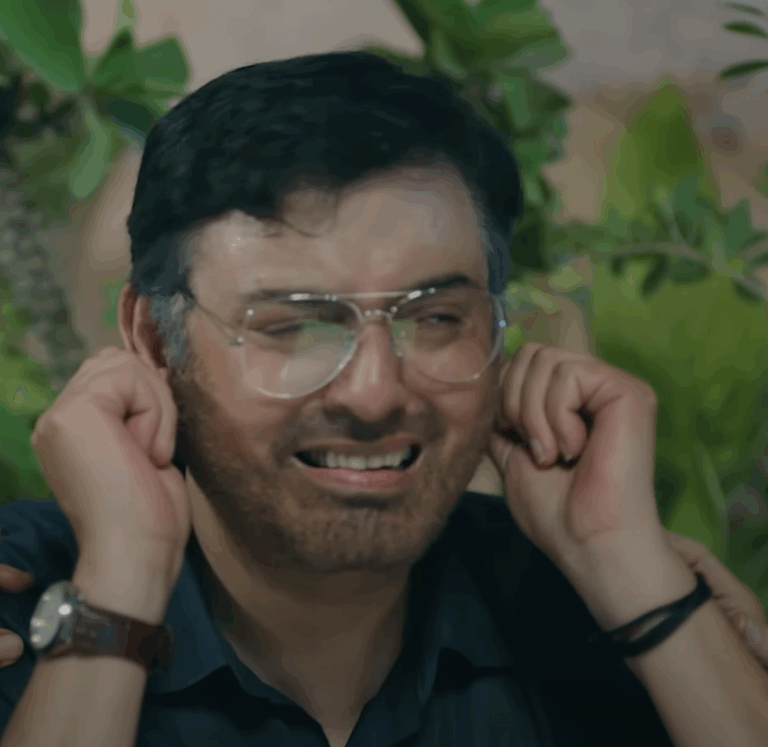
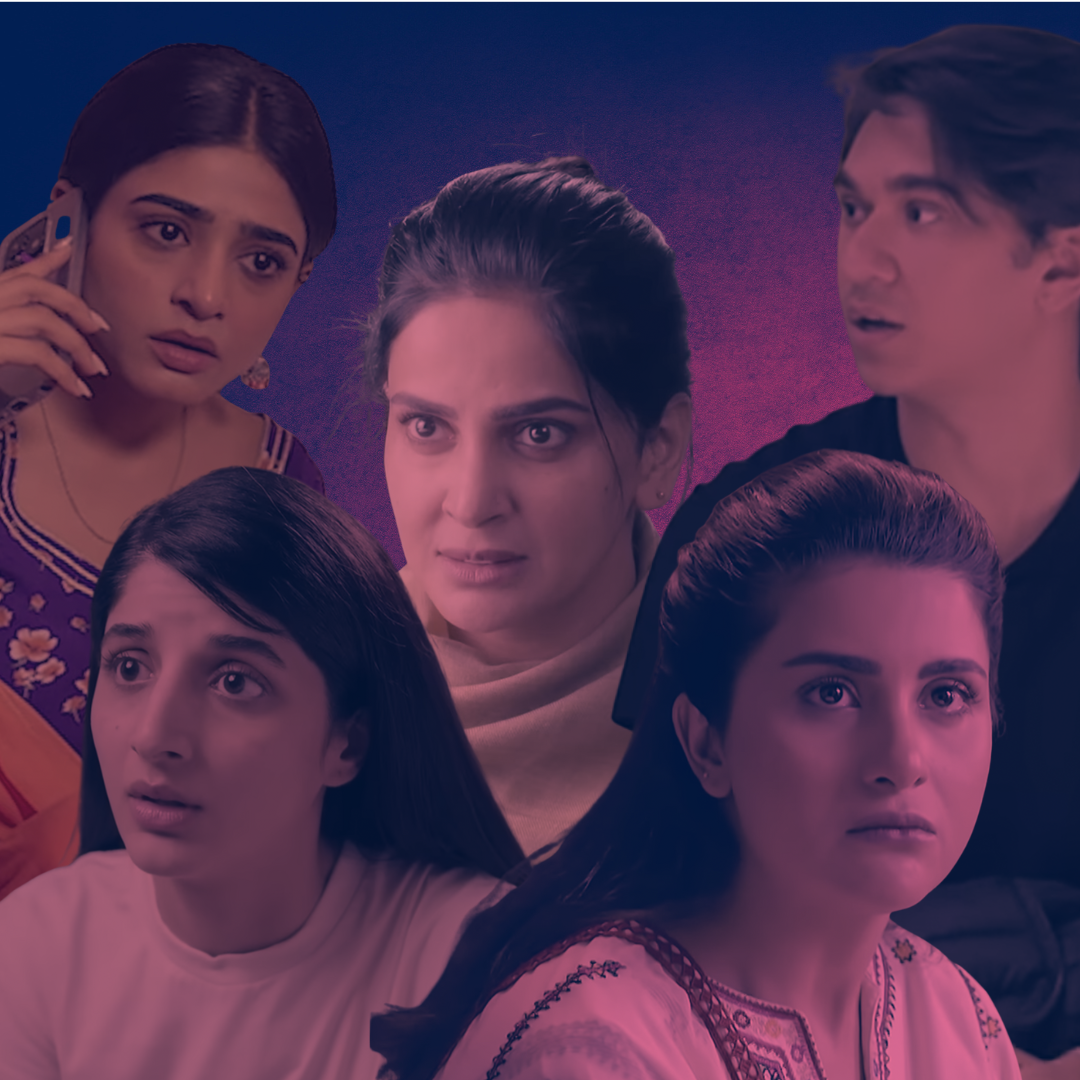



The most radical thing Pakistani dramas did in 2025 was stop blaming women. For decades, Pakistani dramas have relied on the familiar, lazy idea that “a woman is a woman’s worst enemy.”
Stories were built around the “good woman” versus the “evil woman,” with validation ultimately hinging on male approval. The winner was the one who endured longer, sacrificed more, and asked for less.
“Saas bahu” became shorthand for family dramas that rarely interrogated these relationships and beyond surface level conflict, with little thought given to why these women are pitted against each other or who benefits from that division.
The past year 2025 marked a crucial shift in that pattern.
Something has shifted in Pakistani dramas, and it starts with who they blame.
Of course, some shows like Shikwa, Dayan and Meri Bahuein still clung to this comfortable, recycled dynamic. But the stories that truly resonated took a different approach, reframing female rivalry from the cause of suffering to a symptom of the system. In many cases, there was no single, easily identifiable villain, and even when there was, the real culprit remained unchanged: patriarchy.
6. Pamaal
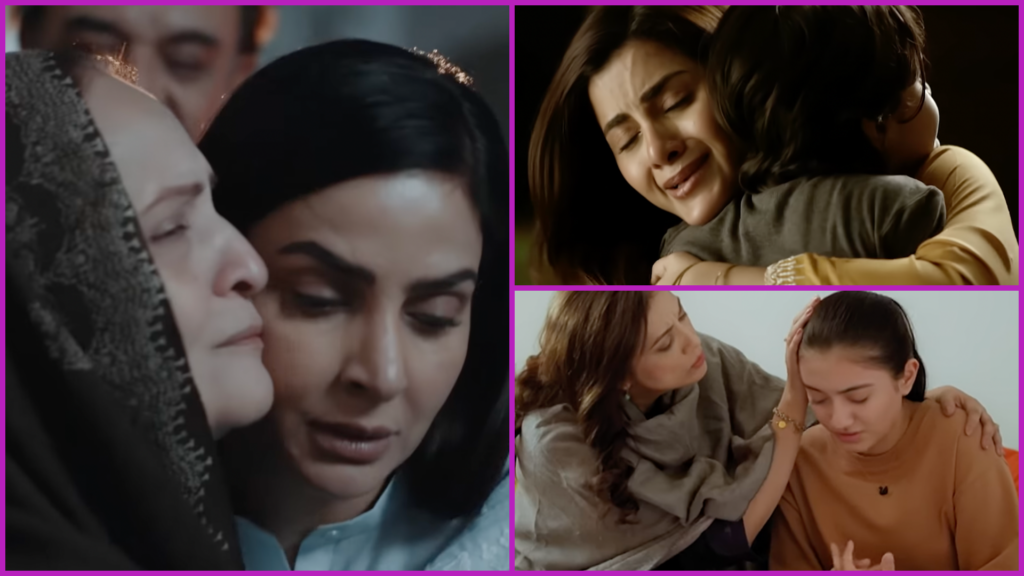
Our ingrained desire to reduce characters to unassailable heroes and unredeemable villains made Pamaal one of the most talked about dramas of 2025. But Zanjabeel Asim Shah’s nuanced writing refused such easy categorization. Was Raza, played by Usman Mukhtar, a controlling abuser or an overprotective husband acting out of love?
The answer was always both.
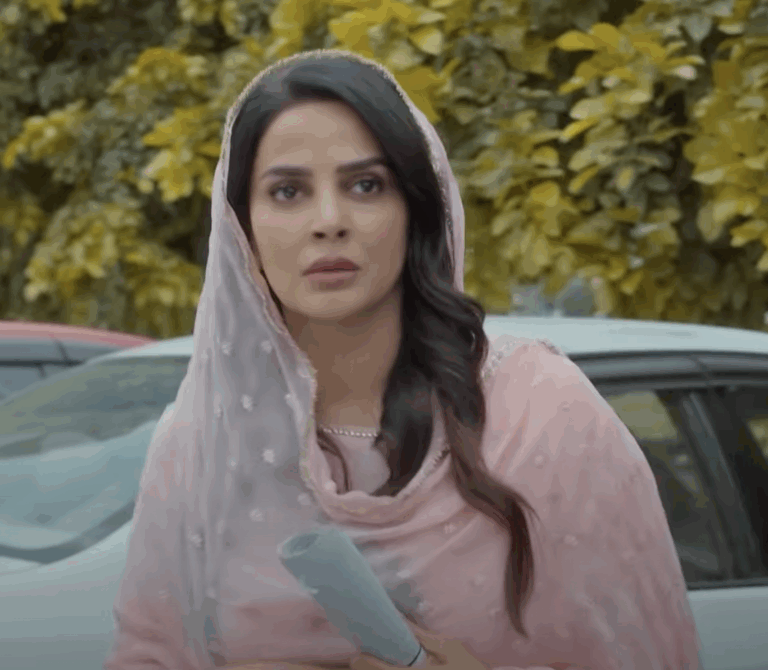
Raza’s rigid adherence to prescribed gender roles may have stemmed from good intentions, but it produced devastating consequences. Malika, played by Saba Qamar, contorts herself to fit the version of womanhood Raza finds acceptable, nearly destroying both of them in the process. Only when he is close to death does he finally realize that an independent woman is not a threat to a man, and that even a wife is a whole human being in her own right.
5. Dastak
Kiran, played by Sohai Ali Abro, stays in a bad marriage far longer than she should, not because she lacks strength but because regressive social pressure boxes her in. Her husband, mother-in-law, and even her own father reinforce the refrain, “a child needs both a mother and a father.” While this may sound reasonable in theory, in practice it functions less as concern for the child and more as a mechanism to control the mother.
Emotional blackmail and gaslighting are tools of dominance, deployed precisely because those in power understand that when women learn to stand up for themselves, control is lost.
By presenting a divorced, financially independent woman and validating adoption as a legitimate parenting path for multiple couples, Dastak challenges the idea that paternal lineage alone defines identity.
4. Tan Man Neelo Neel
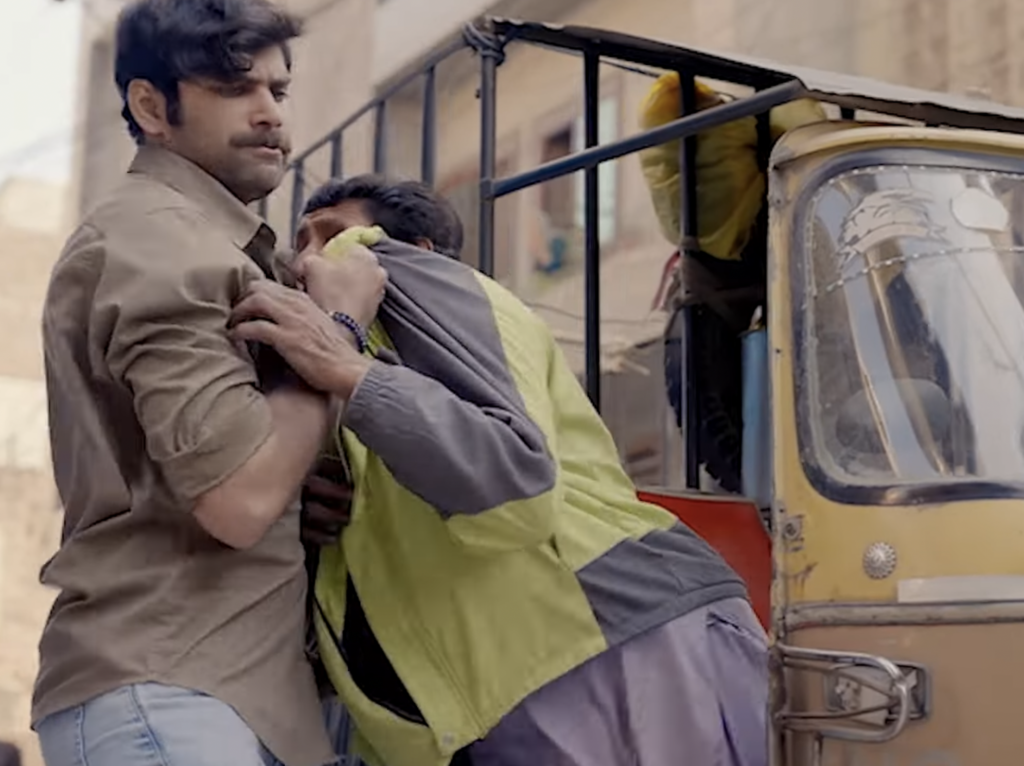
The strongest miniseries of 2025, Tan Man Neelo Neel does not stop at condemning oppressive social structures. It goes a step further and interrogates our shared participation in them.
Authority only thrives when it is collectively upheld. No one in the mob is individually monstrous, yet it takes very little to incite violence when power goes unquestioned and resentment simmers unchecked.
When Rabi, Moon, and Sonu run for their lives, chased by a mob fueled by moral certainty, the drama forces us to shift the question from “what did they do to deserve this?” to “how do we prevent this?”
Violence does not erupt suddenly. It is cultivated through fear and indifference and can only be dismantled through empathy and accountability.
3. Case No. 9
Unlike the other shows on this list, Case No. 9 has a clear villain in Kamran, played by Faisal Qureshi. But Kamran gets away with as much as he does because the world around him is designed to protect him. The police, the hospital, the courts, and even Sahar’s own family treat her (Saba Qamar) as an unreliable witness and doubt her story.
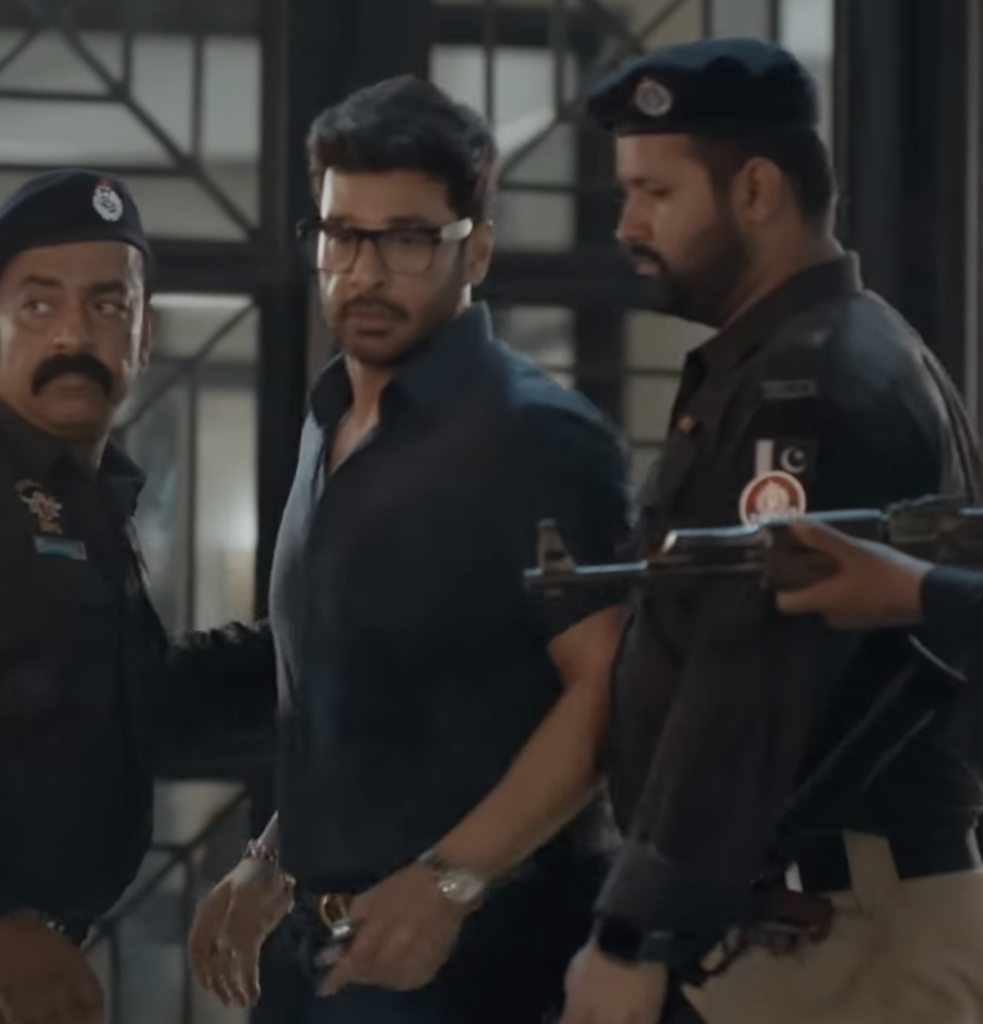
With institutions built to preserve male credibility, fear of scandal and dishonor undermines the pursuit of truth. This case was never going to be won in court. No amount of evidence, facts, or logic from Beenish Ali, played by Aamina Sheikh, could overturn years of oppression. What ultimately turns the tide is public involvement. Media and then society reject convention and choose to stand on the side of what is right.
2. Jama Taqseem
By exposing how family systems and gendered expectations manufacture conflict, Jama Taqseem dismantles the good woman versus bad woman formula.
Laila, played by Mawra Hocane, attempts to fit into a joint family system, but her innate sense of fairness and equality puts her at odds with rigid norms, emotional manipulation, and the unspoken pressures of a hierarchy designed to pit family members against one another.
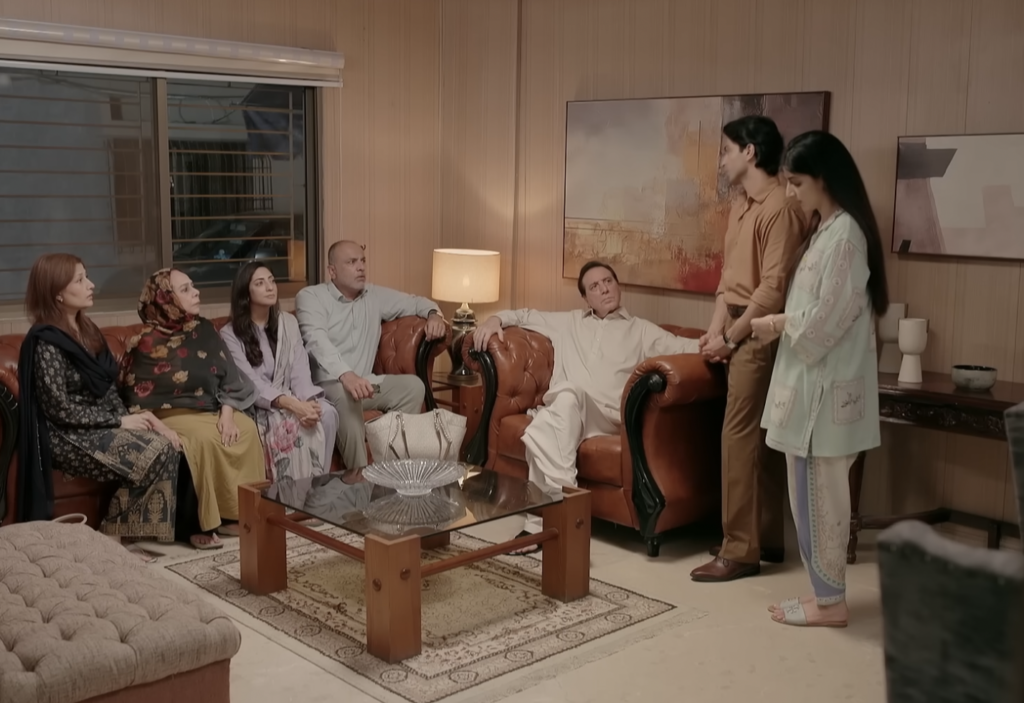
Qais, played by Talha Chahour, loves his wife, but remains blind to how outdated notions of duty, honor, and gender roles are pulling his family apart, rather than holding it together, as they claim to do.
Jama Taqseem shows how emotional labor, silence around abuse, and resistance to change are sustained when tradition is prioritized over well-being.
1. Parwarish
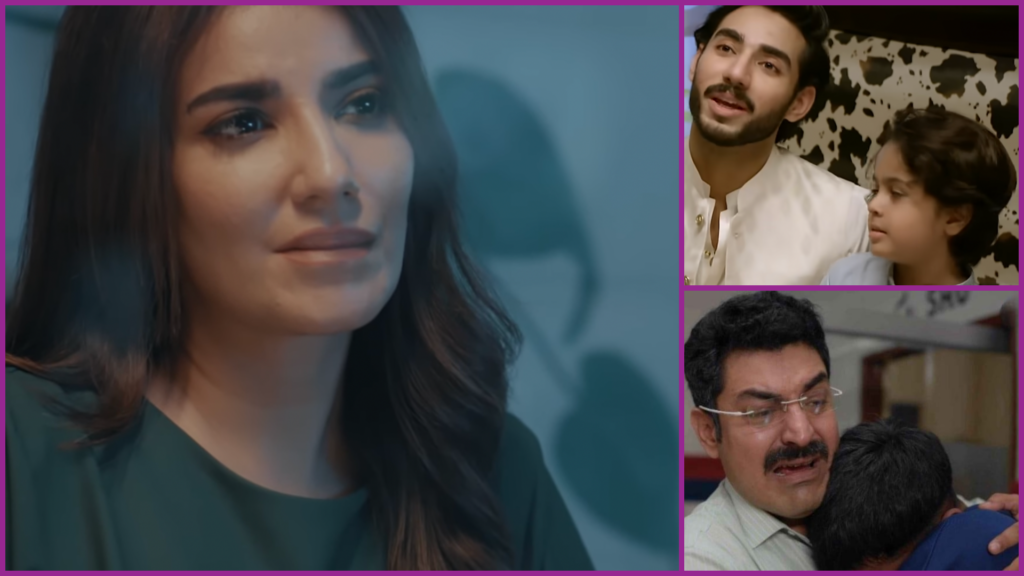
One of the most incisive critiques of parenting on Pakistani television, Parwarish disentangles the ways generational trauma allows the system to reproduce itself.
Authoritarian fathers like Jehangir, played by Nauman Ejaz, and Shaheer, played by Nazarul Hasan, confuse control with care and believe that financial provision entitles them to obedience. They show how fear and conditional love create emotionally unsafe homes. Meanwhile, women like Sadia, played by Bakhtawar Mazhar, and Mahnoor, played by Sawera Nadeem, reveal how even loving mothers can become instruments of harm when they are convinced that endurance and silence are the price of stability.
Through figures like Panah, played by Saman Ansari, Dada, played by Arshad Mahmood, and especially Suleiman, played by Saad Zameer Fareedi, the drama offers an alternative model of parenting rooted in empathy rather than control. It exposes the lie at the heart of patriarchal family structures, that domination is necessary at all.
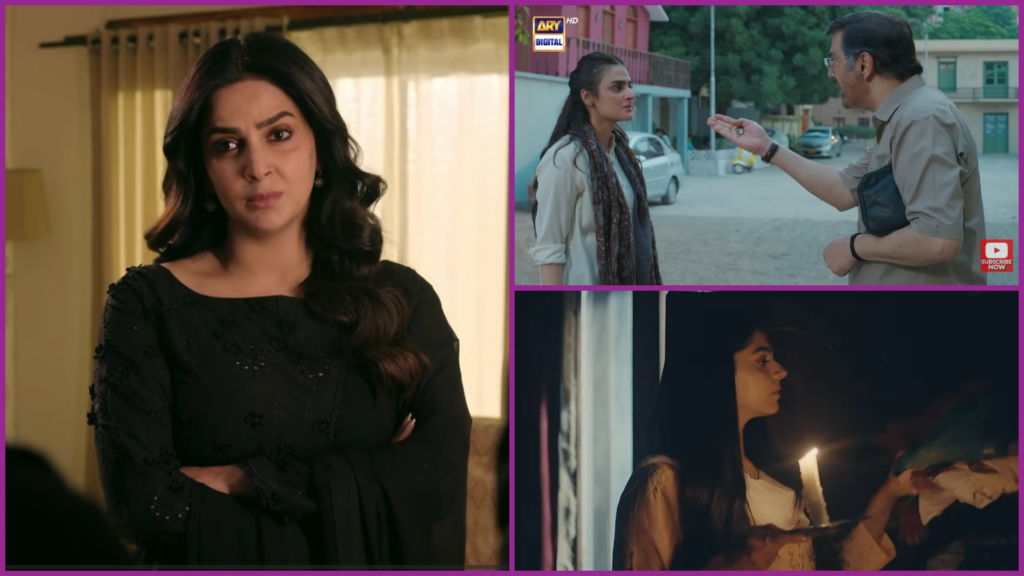
If 2025 was about exposing the system, 2026 is already hinting at what comes next. Dramas like Shar Pasand, Kafeel, and Muamma are increasingly willing to confront power rather than blaming individual morality for society’s failures. These stories trust audiences to sit with discomfort and reject easy answers. Narratives are no longer about identifying villains, but about dismantling the structures that enable them.
Pakistani dramas no longer just depict society. They are beginning to imagine a future of accountability and healing.