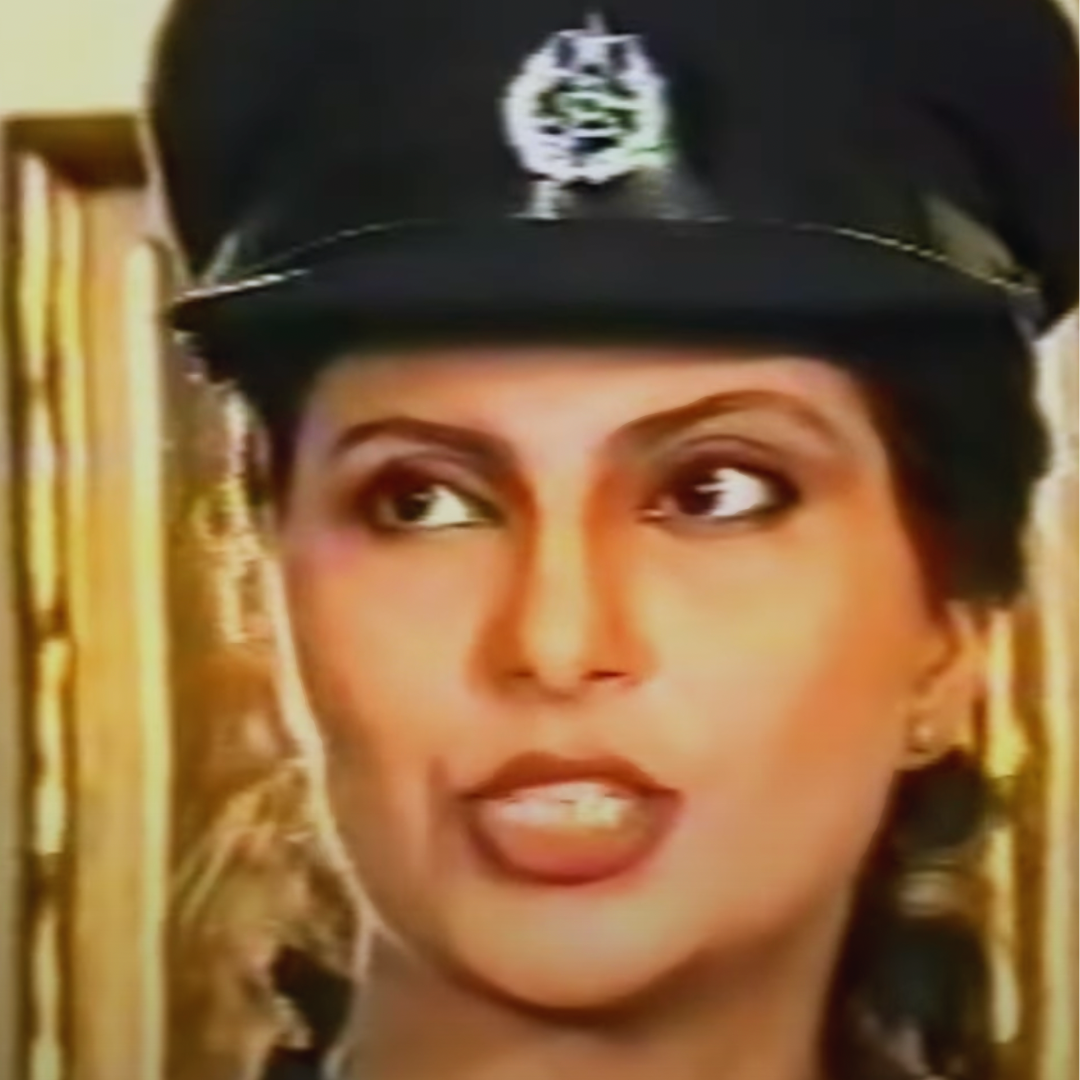



When Pas-e-Aaina first aired in 1993, it disrupted the landscape of Pakistani television. Running for a decade, spanning more than 100 episodes, and broadcast across three channels.
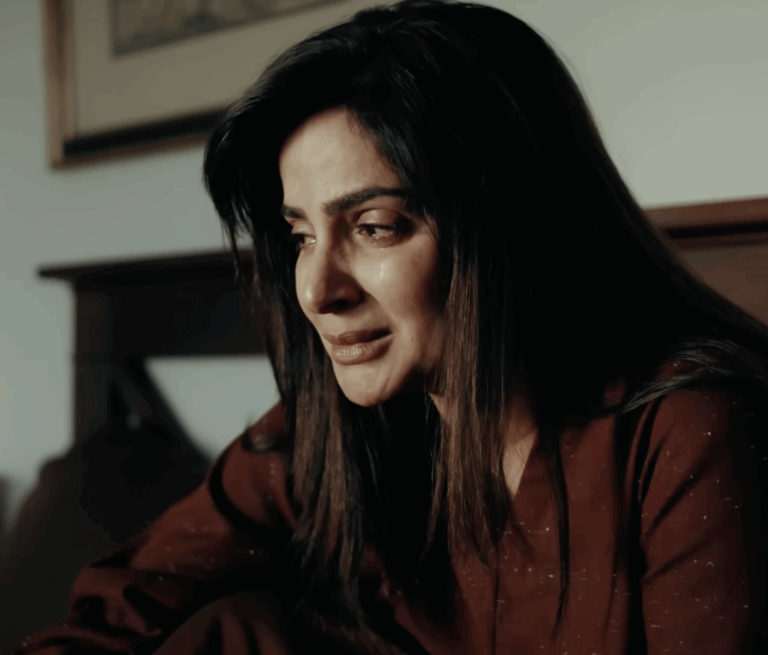
DSP Shahla solved cases embodying a form of authority rarely given to women on Pakistani television. Three decades later, most dramas still relegate women to soft, docile love interests. If anything, television has gone backwards. The rare exceptions only highlight how little progress has been made like Rabia Butt as SHO Sabiha in Gunah.
Pas-e-Aaina refused to treat women as ornamental side characters. Rubina Ashraf’s Inspector Shahla was a principled, justice-minded woman in uniform who carried authority with empathy. In an era when women were largely written as victims or dutiful wives, Shahla was something else entirely:a protector, a challenger, a moral compass.
The anthology format allowed the show to engage with oppression in its many forms.
These stories revealed oppression not as isolated tragedies but as symptoms of intersecting structures: patriarchy, class inequality, and state neglect. That is what gave Pas-e-Aaina its radical edge.
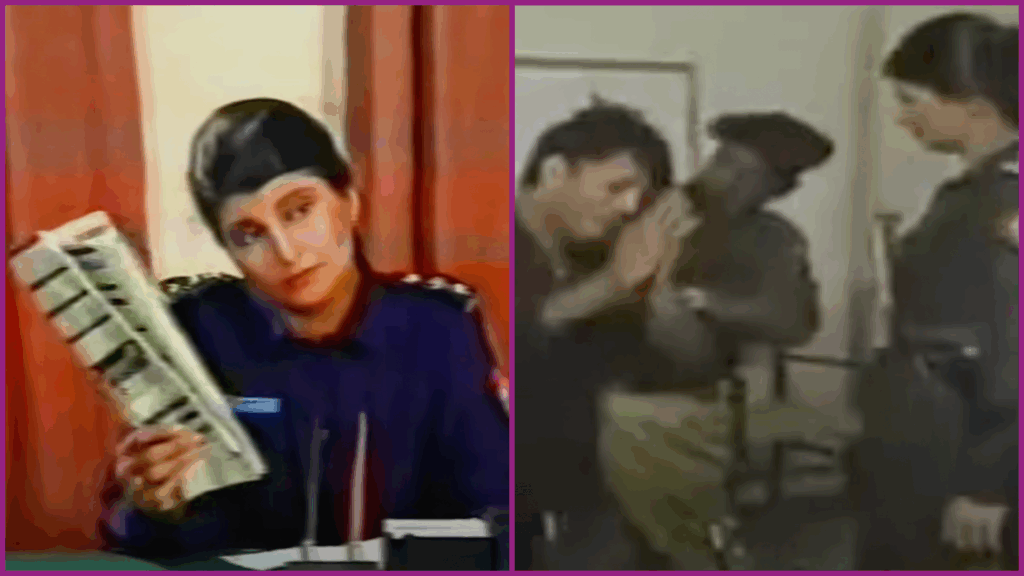
A Feminist Police Drama With Progressive Themes
In Aik Thi Rani, a transvestite character joined Shahla to prevent human trafficking, breaking through the silence and mockery usually attached to marginalized identities. Lawaris focused on the rights of farmers, exposing how colonial-era landholding structures continued to exploit peasants, with women carrying the heaviest burdens of poverty and dispossession. And in Jigra, Shahla confronted a female crime-lord complicating the narrative that women were always victims, and showing instead how class and capital could also make them complicit in systems of violence.
Rewatching the series today, the contrast with contemporary dramas is striking. Too often, women on television are reduced to bashful beauties simpering in corners or conniving witches plotting the downfall of their enemies. The female figures main function is to serve as emotional accessories to male protagonists. Their arcs revolve around romance, and their conflicts rarely extend beyond the household. Against this backdrop, DSP Shahla feels even more subversive: a woman who carried state authority, and who demanded justice rather than simply endurance.
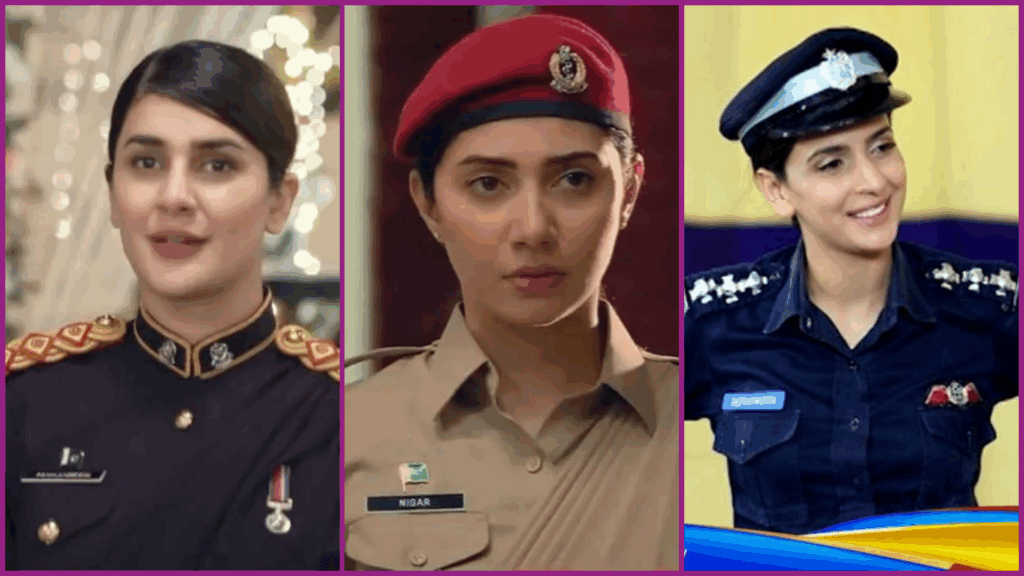
In many ways, Pas-e-Aaina was ahead of its time. Three decades later, the uncomfortable question is whether we have progressed at all or whether our television has, in fact, moved backwards. By erasing complex women from our screens and narrowing their stories to romance and suffering, we have lost the radical possibilities that a show like Pas-e-Aainaonce dared to imagine.
That is why rewatching the series feels urgent today. It was a crime drama that reflected the fractures of class, gender, and power in post-colonial Pakistan. And in Rubina Ashraf’s DSP Shahla, Pakistani television found a heroine whose legacy still challenges us: to demand better stories, and perhaps, a better society.
Where’s the South Asian Sci-Fi on Screen? The Future is Waiting