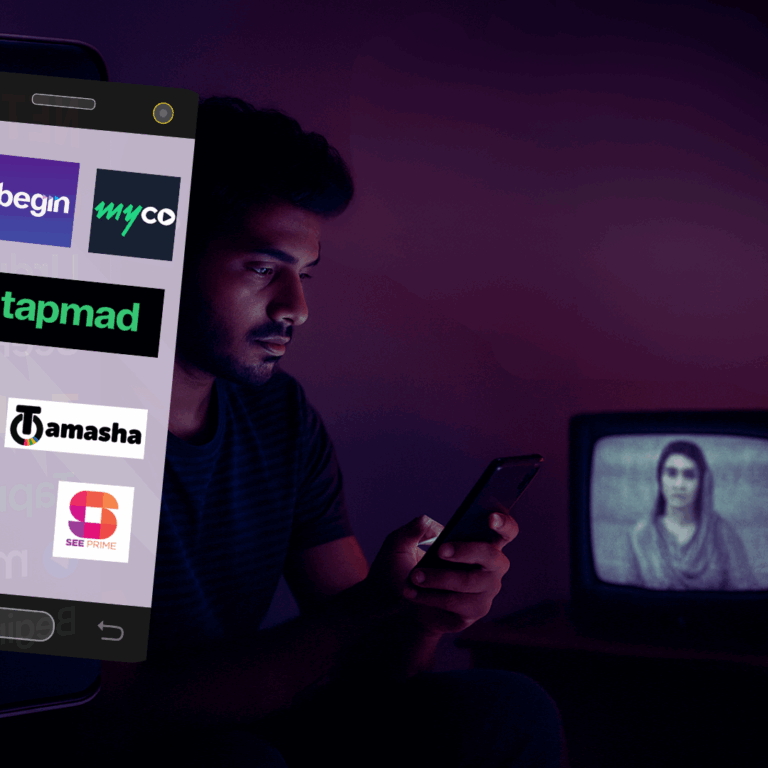



For those who view Pakistan through a narrow lens, the country is imagined as a stage for endless morality plays. In mainstream dramas like Humsafar or Khiṭāb, morality is pitted against desire, female agency is checked at every turn, and middle-class values dominate the script. It’s a lens that freezes Pakistan in the past, painting it as a nation teetering on the edge of extremism, one heartbeat away from Taliban rule.
In that view, Pakistanis are expected to suffer, endure, and obey. Certainly never party.
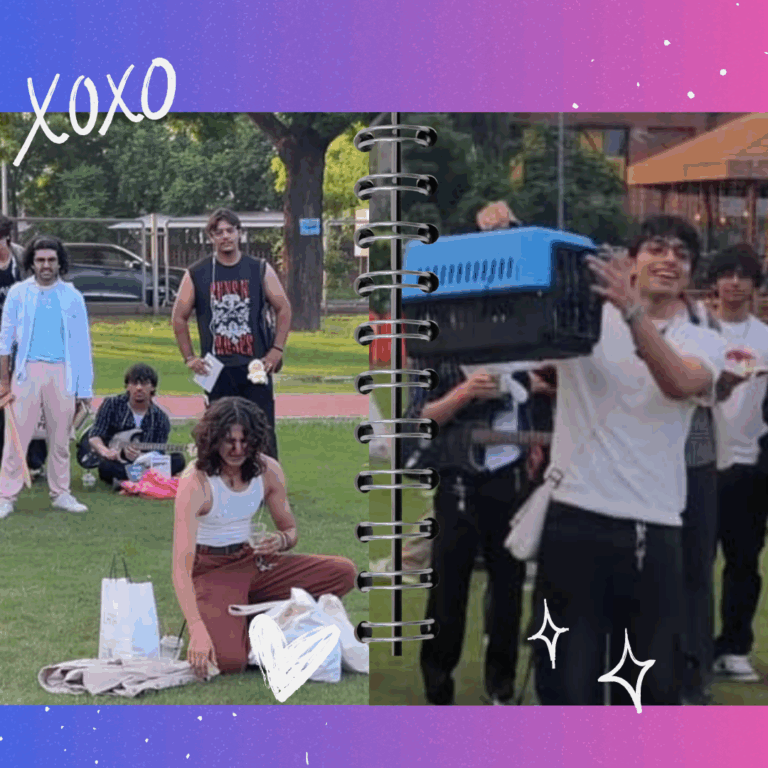
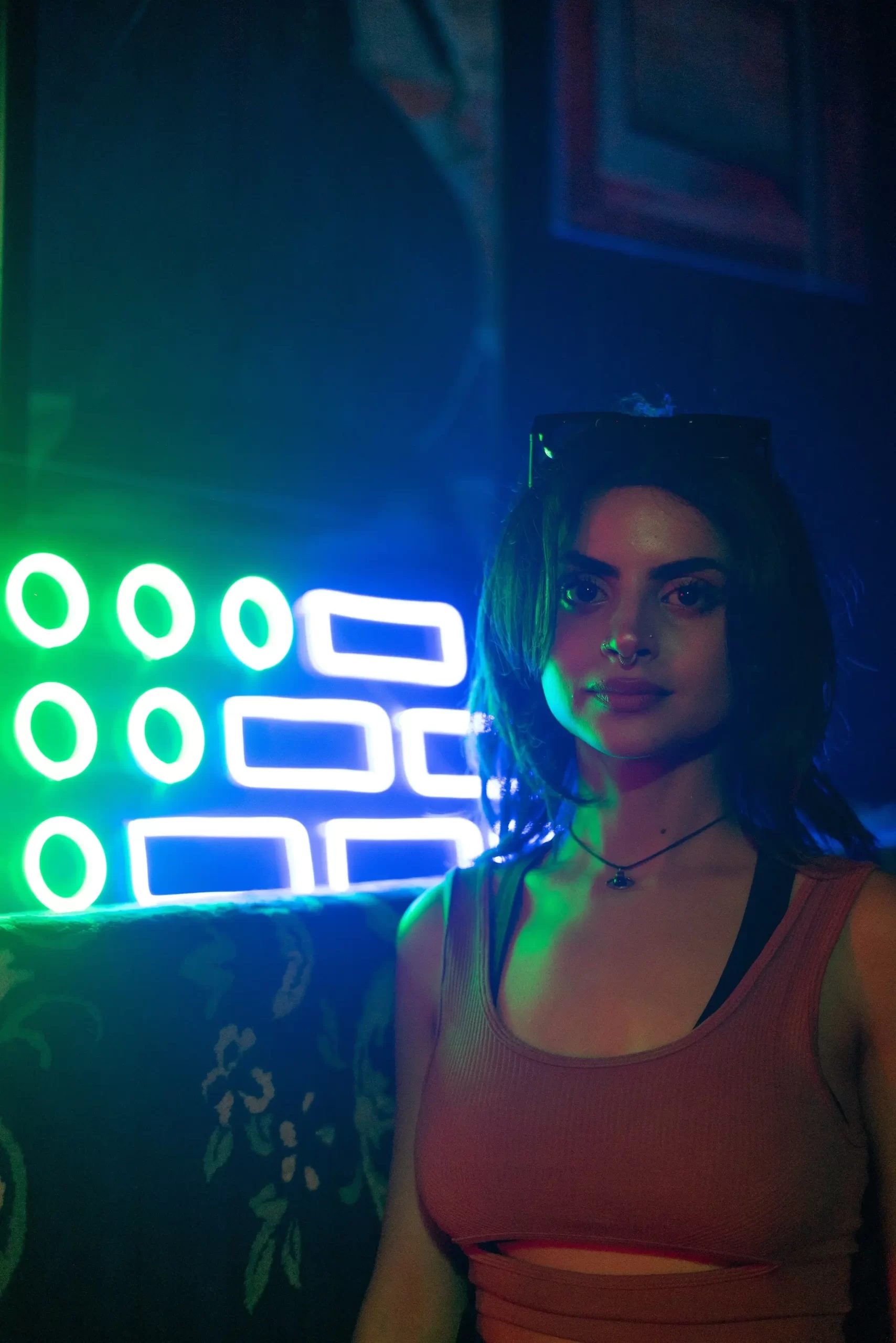
That’s why Samia Qaiyum’s recent feature in Dazed magazine carries such weight. With both clarity and courage, she documents a thriving party culture that refuses to cower. Instead of the tired tropes of chaos, crisis, or “lost youth,” she presents nightlife in Pakistan as a form of creativity, community, and resistance. Parties here are about reclaiming space, rewriting gender norms, and showing that Pakistani society is far more layered than the morality tales of television or the headlines of international news.
Qaiyum is not alone in making this intervention. Just last year, in January, another international feature “Inside the secret club night bringing the party to Pakistan” pulled back the curtain on how collectives in cities like Karachi are building underground scenes. That piece highlighted the energy of DIY club culture, with organisers and DJs curating spaces that blend electronic music with South Asian traditions. Together, both articles challenge the stereotype that Pakistan is inhospitable to joy or creativity.
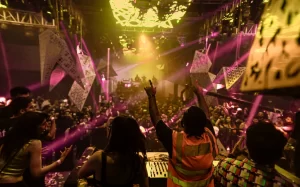
Mainstream Media vs Alternative Media
This divergence in narratives points to a deeper divide between mainstream and alternative media. Within Pakistan, television dramas and commercial channels often reinforce middle-class morality stories of sacrifice, respectability, and family honor dominate primetime. These dramas are not meaningless; they reflect real anxieties and values, but they also flatten the complexity of lived experiences. They rarely show women claiming public space late at night, or men and women collaborating as equals in underground communities.
Alternative media whether international magazines like Dazed or grassroots Pakistani digital platforms tells a different story. It amplifies voices on the margins: artists, musicians, feminists and those who craft safe spaces in an environment that can be hostile. These outlets resist the idea that Pakistan is defined solely by its crises or its conservatism. By documenting nightlife, they illustrate how joy itself becomes political.
Parties as Safe Spaces
As Qaiyum notes in her Dazed piece, party culture in Pakistan is also about building plurality. “Someone in shalwar kameez dances beside someone in neon mesh. Together they build a language of their own. What emerges is not escapism but confrontation: a nightlife that insists on joy, despite the weight of curfews and conservative codes,” she writes.
Organisers like Zee stress that “we have robust safe space policies,” a deliberate move in a society where women have long faced restrictions on mobility after dark. Nightlife here has been historically male-dominated, but these new communities are trying to change that by creating inclusive environments where girls and women can participate freely. This effort is not trivial — it challenges patriarchal norms while injecting the city with creative energy and progressive politics.
There is courage in writing such a pieces. For global readers accustomed to one-dimensional portrayals, it asks them to expand their imagination of what Pakistan is. For Pakistanis, it affirms a reality that many already know: that joy, resistance, and community exist here, even if mainstream media rarely shows it.
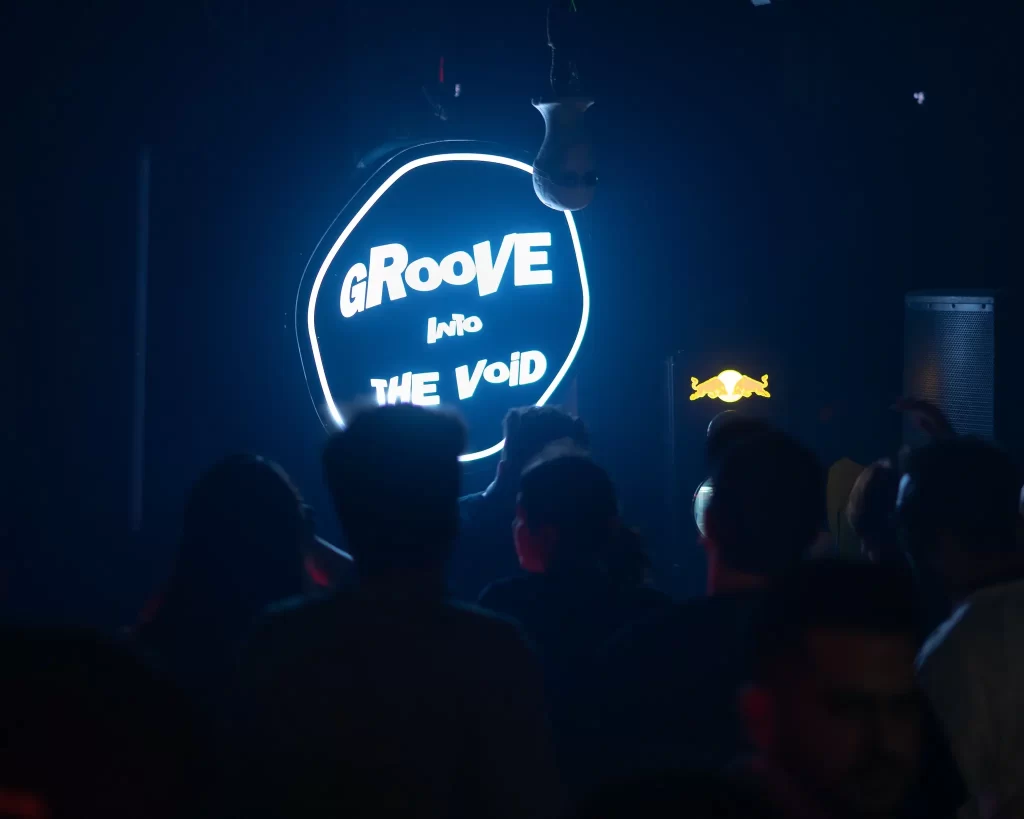
Pakistan do both: party and pray
If you just watch the dramas, you’ll never see this Pakistan. You’ll see betrayal, family conflict, generational trauma but not the thrum of a bassline at 2 a.m. That is why alternative media matters, and why international platforms like Dazed publishing pieces by writers like Qaiyum matters even more. They challenge the single story. The need is to create space for multiple Pakistans to exist in the global imagination.
The real question is not whether Pakistan parties… clearly, it does.
The question is whether the world is willing to see it in all its contradictions: a country of middle-class morality plays and underground raves, of suffocating norms and courageous reimaginings. Qaiyum’s article insists that both are true, and that to understand Pakistan honestly, you must hold these truths side by side.