


Bollywood war biopic Ikkis opened to positive reviews in January but quickly found itself at the centre of controversy, not for its storytelling, but for a mid-credit disclaimer added at the end of the film. The line, which states that Pakistanis are not to be trusted, went viral on social media sparking conversations about the film, creative freedom, and nationalism.
The disclaimer reads:
“The humane treatment of Pakistani Brigadier K.M. Nisar is an exceptional case. Otherwise, our neighbouring country is not at all trustworthy. Pakistani forces have treated our soldiers and civilians with extreme cruelty and inhumanity, both in war and peacetime. They have blatantly violated the Geneva Conventions by torturing them on numerous occasions. Given the terrorist activities sponsored by Pakistan, as concerned citizens, we need to remain vigilant and prepared.”
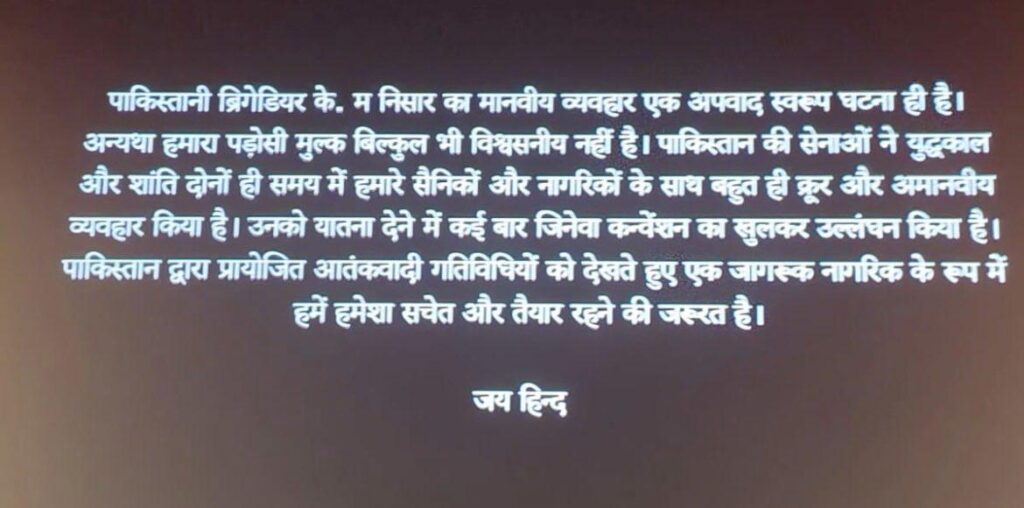
Director Sriram Raghavan has since made it clear that he was not happy with the disclaimer and was not informed about its inclusion.
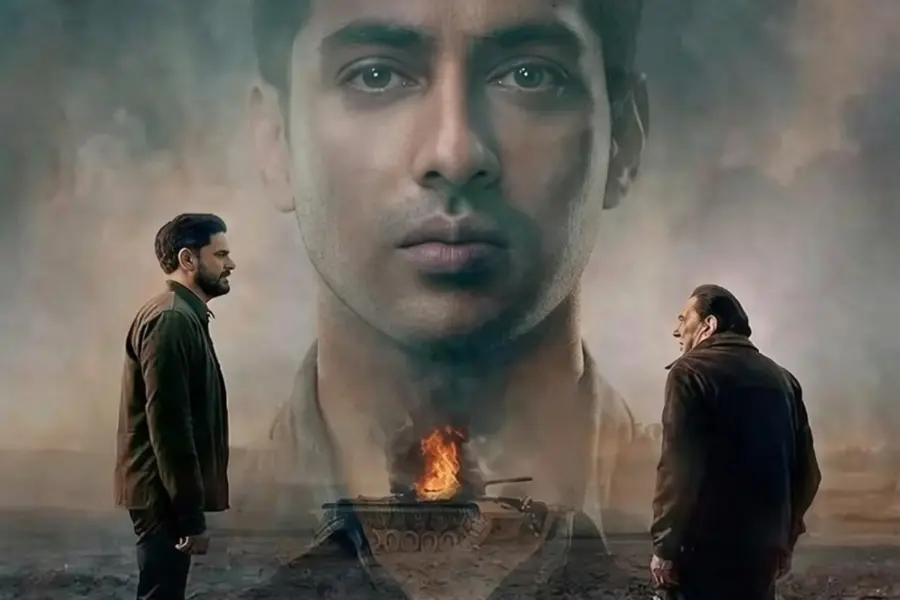
Produced by Dinesh Vijan, Ikkis tells the story of Arun Khetarpal, an Indian Army officer who was posthumously awarded the Param Vir Chakra for his actions during the 1971 India-Pakistan War. The film focuses on the human cost of conflict rather than triumphalism.
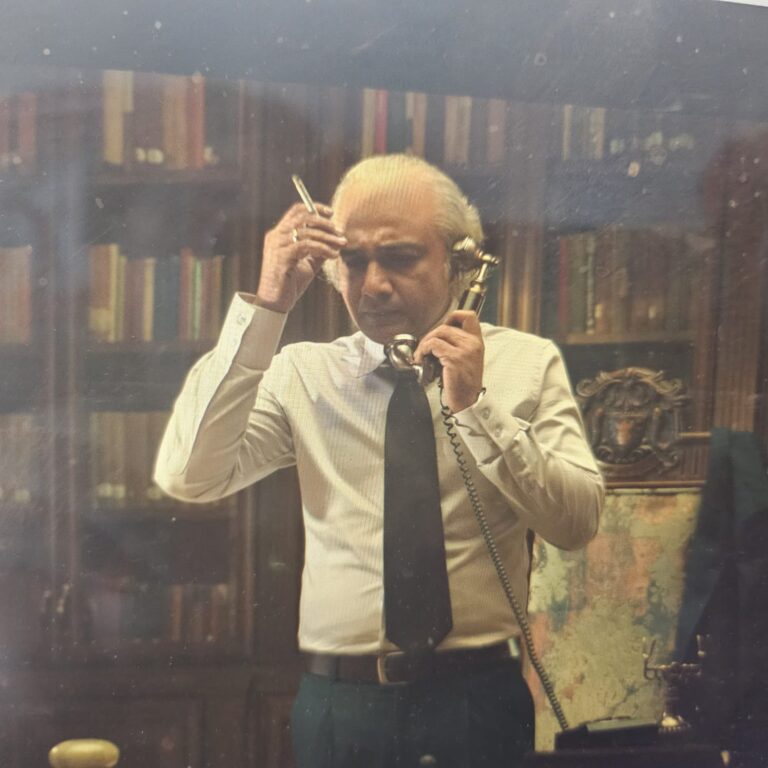
One part of the film is set in 1971 and depicts 21-year-old Arun Khetarpal, played by Agastya Nanda losing his life while halting the advance of Pakistani forces during the Battle of Basantar. The second part is set in 2001, when Arun’s father, retired Brigadier Madan Lal Khetarpal, portrayed by Dharmendra, travels to Lahore for a college reunion at Government College.
In Lahore, he is hosted by Brigadier Jaan Mohammad Nisar, played by Jaideep Ahlawat, the Pakistani officer responsible for Arun’s death. Their meeting forms the emotional core of the film and is framed around grief, memory, and the shared burden of war. This is the story of a bereaved father still questioning why his young son had to die.
Filmmaker Karan Johar has described Ikkis as “a love letter to peace.” Apart from being Agastya Nanda’s big screen debut, it is also the last screen appearance of Dharmendra.
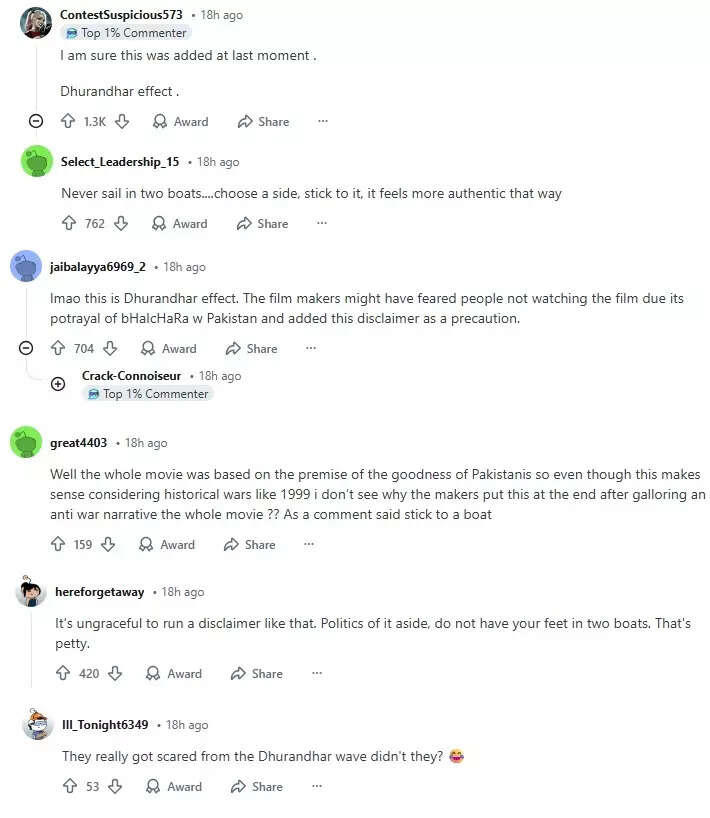
The disclaimer has reignited discussions around creative freedom, historical responsibility, and the space available for nuance in Indian war cinema. Social media commenters have called the addition the “Dhurandhar effect,” speculating that the filmmakers might have feared audiences would avoid the film because of its portrayal of bhaichara with Pakistan and added the disclaimer as a precaution.
Released on January 1, 2026, Ikkis has also been called a tribute to Dharmendra, an advocate for diplomacy and a cultural bridge through his popularity on both sides of the border.
The debate around the disclaimer has highlighted how fragile such bridge-building remains.
———————————————
ALSO READ: