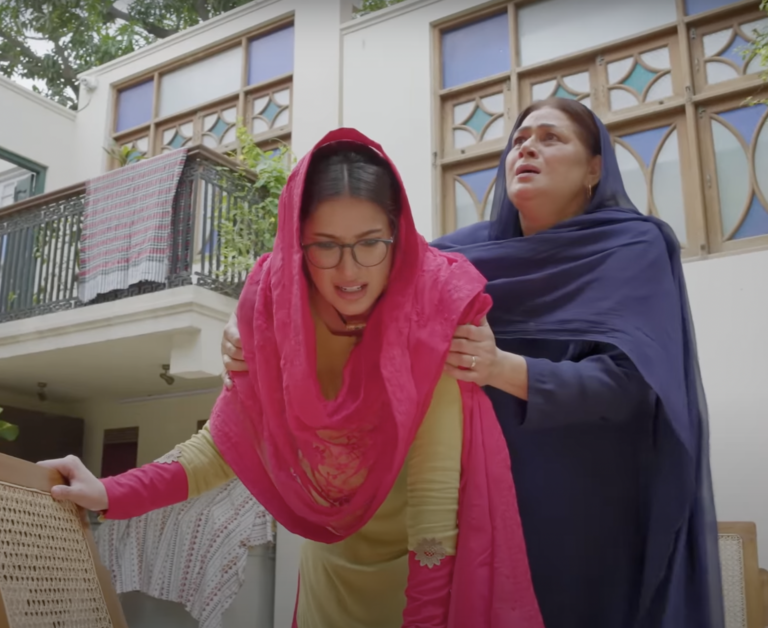



The premise of Geo’s daily soap Behkaway is tragically simple: one woman suffers endlessly while everyone around her is emotionally abusive. Shopkeeper Zubair (Yasir Nawaz) is a middle-aged man-child who is casually cruel to his wife Zeenat (Hiba Ali Khan). Zeenat is the model bahu who has been enduring his viciousness, as well as the psychological torment of his scheming mother and venomous sister Sidra (played by the wonderfully sharp Jenaan Hussain).
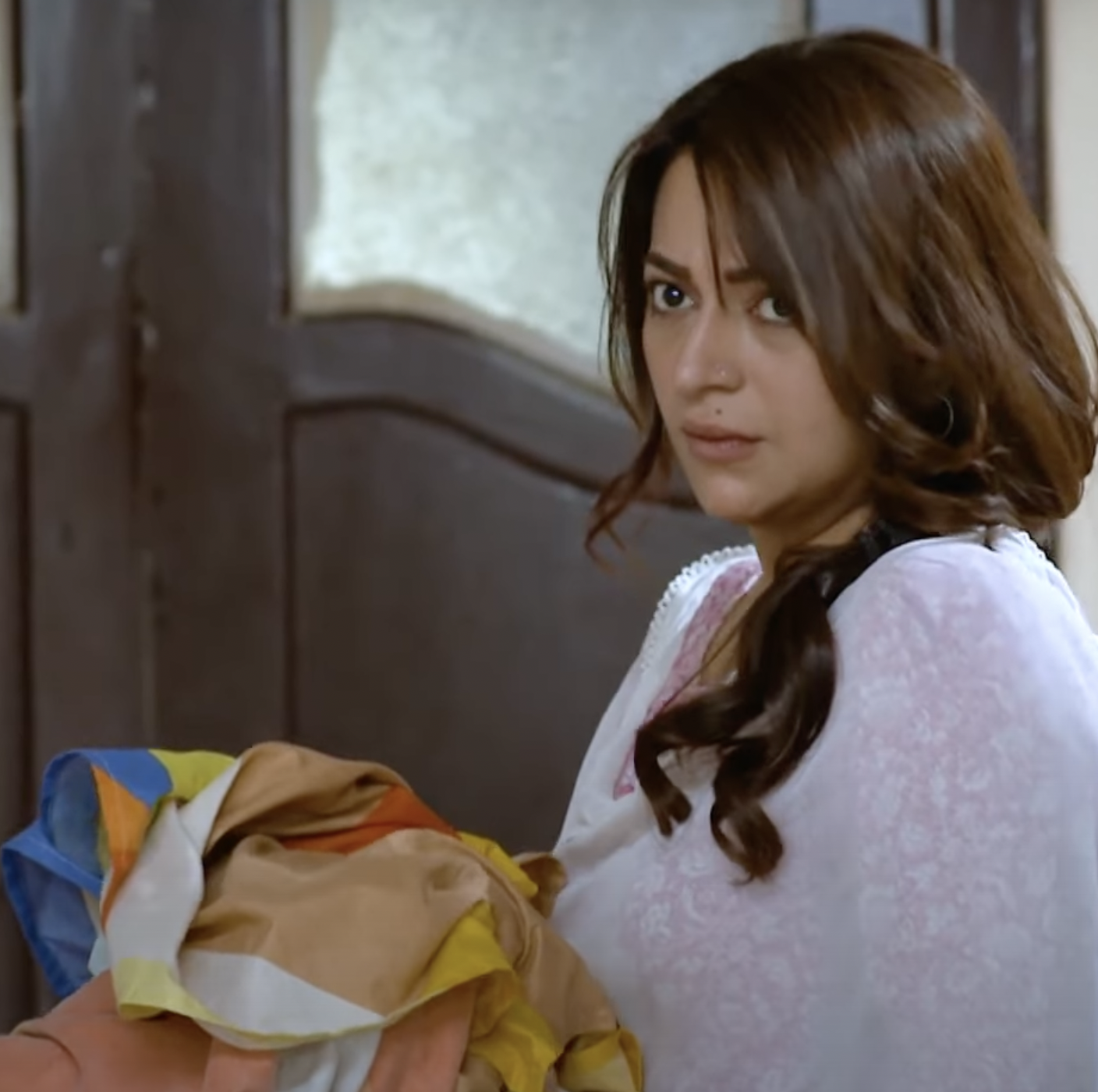
Rounding off this cast of cliches is Sitara — a young siren played to perfection by Yashma Gill. She bats her lashes, and poof! Zubair’s already feeble brain melts into a puddle of hormonal goo. Sitara doesn’t want love though. Romance is merely a price she’s willing to pay for stability — unlike Zeenat, who keeps writing cheques in tears.

Zeenat is the simpering saint, who finally walks out after ten soul-flattening episodes of being slapped, berated, starved, and silenced. Bravo? Not quite. She leaves with no plan, no money, and two daughters only to return a few scenes later.
In episode 13, Zubair finally follows his libido to its inevitable destination: Sitara’s doorstep. He returns home with a box of mithai — having secretly married a woman half his age. Yes, dear viewer, our man of the hour now has a second wife and the gall to distribute sweets.
Cue the confrontation. Zeenat, stunned (though frankly, if she didn’t see this coming, we need to question whether she’s been watching her own life), is ordered out of the master bedroom. Zubair, ever the master of empathy, mocks her heartbreak. He confesses he kept her around out of pity — nothing screams sacrifice like tolerating the woman who cooked, cleaned, bore his children, and absorbed his family’s abuse like a punching bag. Their two daughters watch in silence as their mother begs — literally begs — for school fees. She’s humiliated, her dignity shredded in front of them. Meanwhile, Zubair tosses money at Sitara.
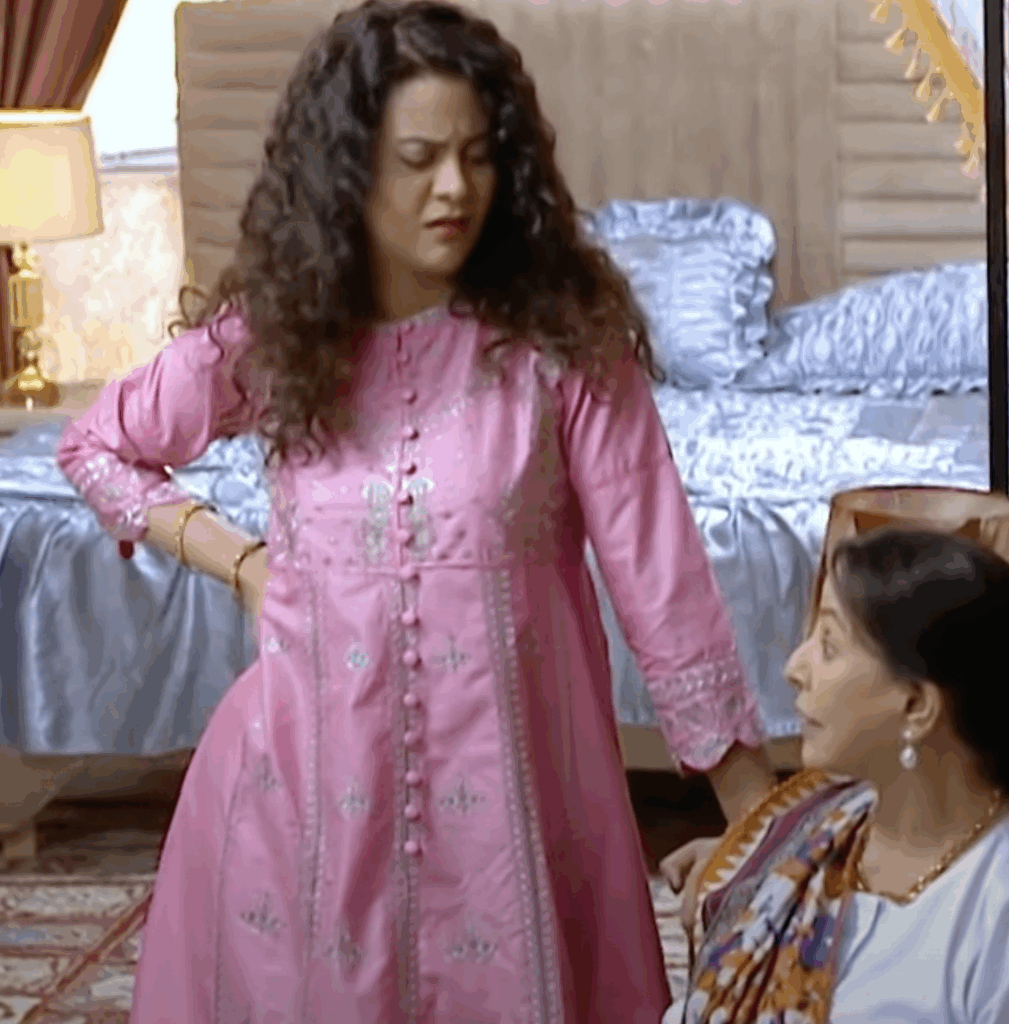
And finally, Zubair tells Zeenat not to compare herself to Sitara — because Sitara, he insists, is the woman he loves. Ah yes. Love. That’s what he’s calling this midlife crisis in bangles now.
And what does Sitara think of her shiny new marital status? She looks about as thrilled as someone about to be buried alive. Her wide-eyed dread is less about sharing a bed with Zubair (although, one shudders) and more about moving into a house governed by his nosy, acidic mother and the ever-lurking Sidra. Sitara may be a climber, but she’s not stupid. She’s realized too late that the man she outwitted is also her punishment.
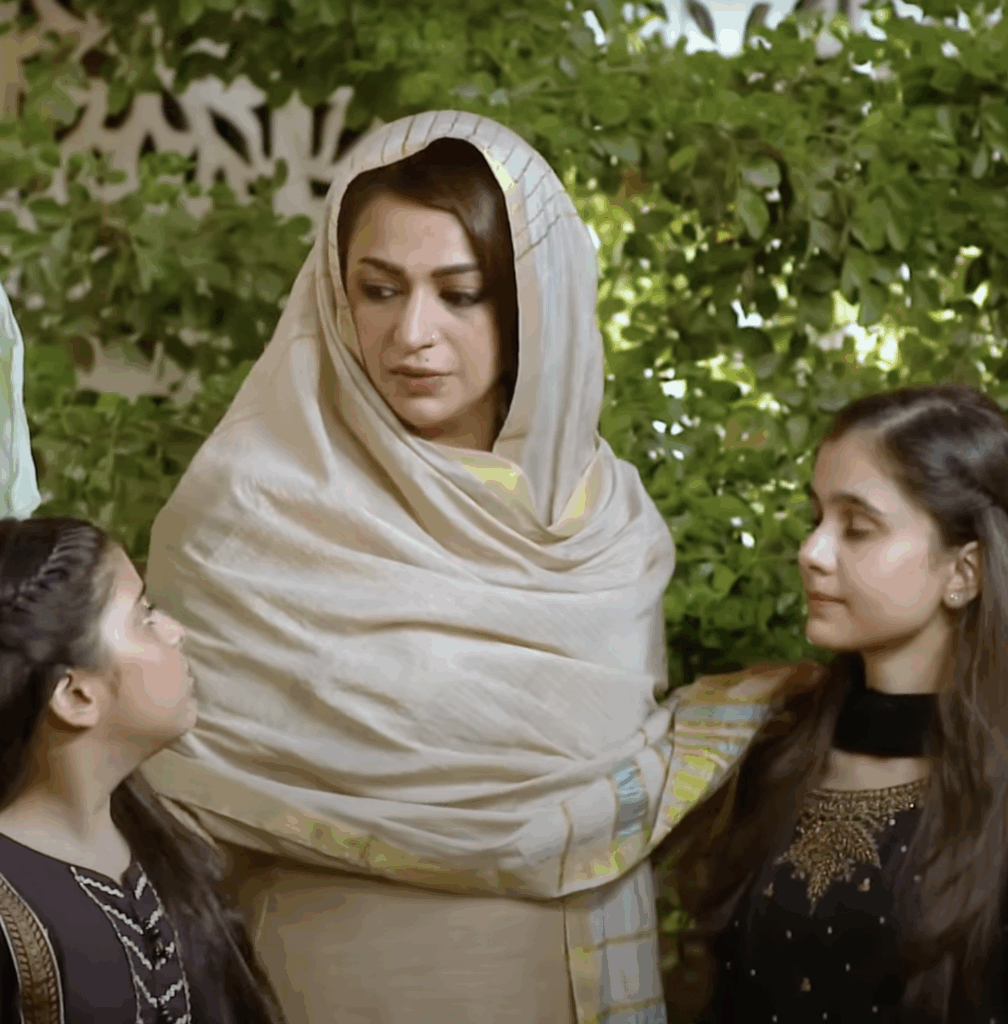
Meanwhile, Zeenat — in the kind of cruelly poetic twist this show revels in — is relegated to the kids’ room, cast aside like old furniture. Why she thought all three of them would live together in sister-wife harmony remains unclear. Perhaps the years of being slapped around have left her with a scrambled sense of logic.
And here lies the greater tragedy of Behkaway: its portrayal of women is as bleak as it is binary. Women here are either martyrs or manipulators, saints or schemers. There is no middle ground. Zeenat is praised for her pain, Sitara punished for her ambition. If this is meant to be a reflection of reality, then perhaps it’s time we shattered the mirror altogether. Watch at your own risk!