


‘Main Manto Nahi Hoon’, produced by Six Sigma Plus and helmed by director Nadeem Baig, is a bold experiment in storytelling, courtesy of writer Khalil-ur-Rahman’s unapologetic pen. Known for sparking controversy, Khalil-ur-Rahman delivers once again (although I’m not sure that’s a compliment). While the drama has managed to one-up itself in terms of absurdity with each passing episode, I somehow keep coming back to it, not despite its flaws, but because of them. The sheer audacity of the writing has me wondering what’s next, and I’m morbidly curious to see how low it can sink.
Will ‘Main Manto Nahi Hoon’ redeem itself?
Rival Families: Amritsari vs. Bin Yamin
In a bizarre attempt to recreate the timeless feud of Shakespeare’s Capulets and Montagues, Main Manto Nahi Hoon introduces us to two rival families, the Amritsari and the Bin Yamin, with patriarchs Siraj Amritsari (Asif Raza Mir) and Bin Yamin (Babar Ali) at the helm. The drama kicks off with a hilariously forced meeting in the middle of the road, where two men awkwardly try to convey an age-old vendetta. As the story unfolds, we’re left scratching our heads, wondering what’s behind the epic rivalry. Is it a decades-old blood feud, a bitter business dispute, or just a case of “my dad’s better than your dad”? The drama tantalizes us with hints of past killings and imprisonments, but the specifics remain shrouded in mystery.
The Ineffective Mediator
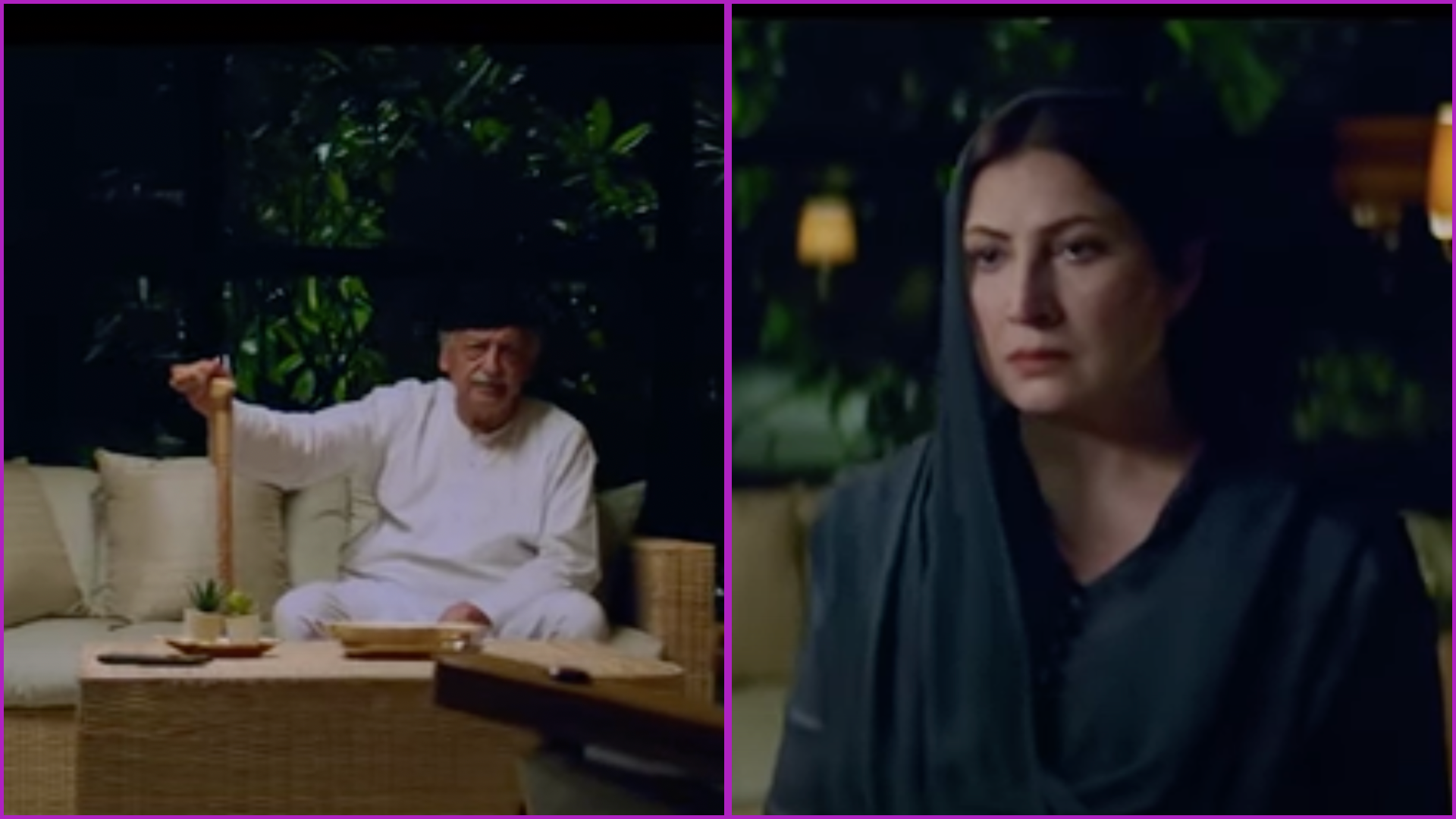
We are also introduced to the enigmatic Miyan Sahab, played by the talented Salman Shahid, as the go-to mediator between the two feuding families. However, it’s clear that his mediation skills are on par with his character’s purpose in the story: nonexistent. Miyan Sahab’s seems more like a prop in a lavish big house from a Sanjay Leela Bhansali movie.
Siraj Amritsari’s Household
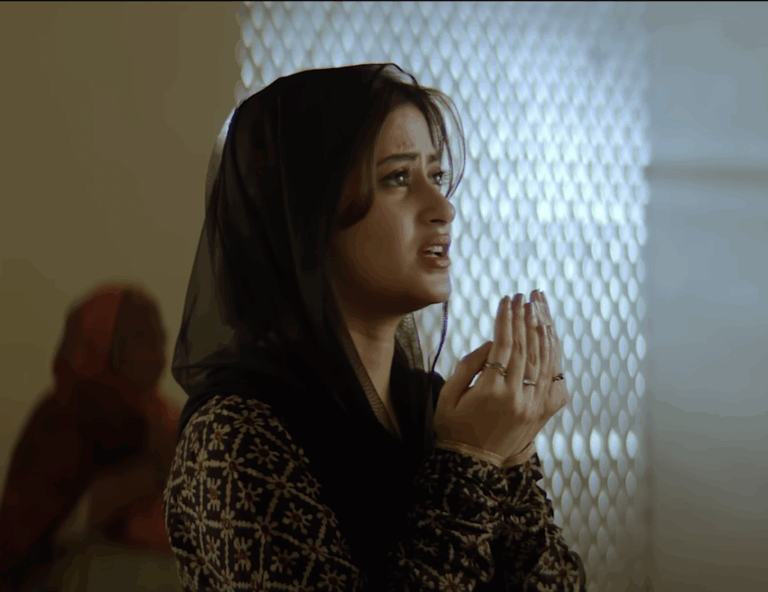
Siraj Amritsari’s household is run by Siraj’s wife (Saba Faisal). His son is bedridden and bitter after being shot by presumed rivals. His son’s wife is a somewhat muted presence, adding to the overall sense of tension. Amidst this turmoil, Mehmal, Siraj’s daughter (played by Sajal Ali), shines as the female protagonist, navigating the intricate family dynamics with a mix of innocence and strength.
Surraya: The Calm Sea with a Storm Within
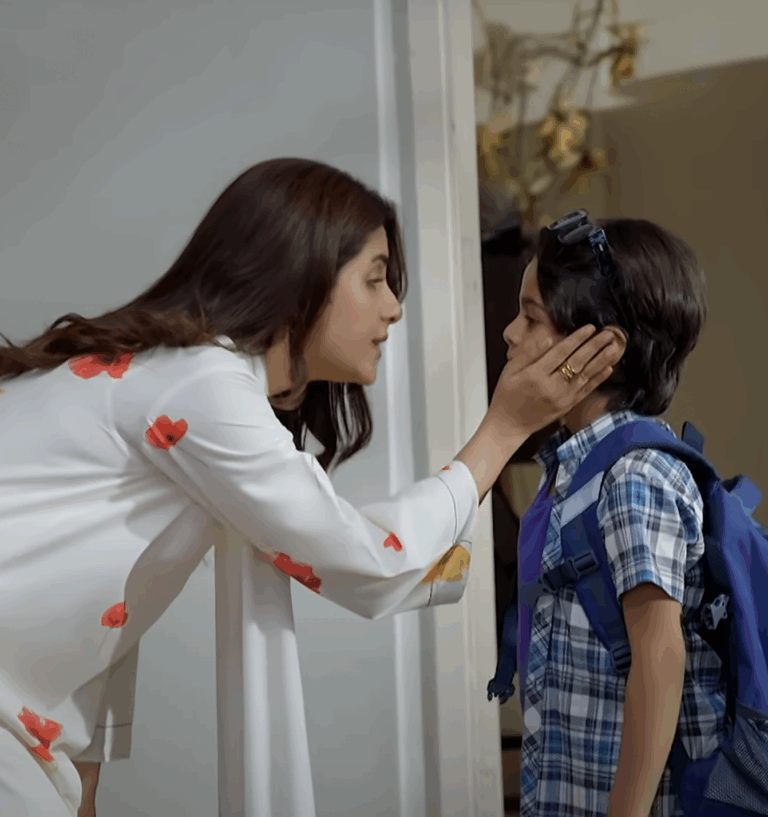
The real showstopper is Siraj’s sister Surraya, played by Saima Noor. She has lost two sons in the feud with Bin Yamin, and you’d expect her to be a hot mess. Instead, she remains calm delivering sharp lines with a serene smile that makes you wonder if she is secretly plotting world domination. Mehmal adores her “phuppo” and looks up to her for strength, which isn’t surprising given Surraya’s charisma. What’s fascinating about Surraya is the contrast between her serene demeanor and the depth of her emotions. At times, I find myself wanting to ask her, “Pooja, what is this behavior?… I mean, Surraya!” Her calm exterior is both captivating and infuriating. Surraya’s nuanced portrayal is a testament to Saima Noor’s skill as an actor, and her character’s complexity adds depth to the narrative.
The Bin Yamin Family
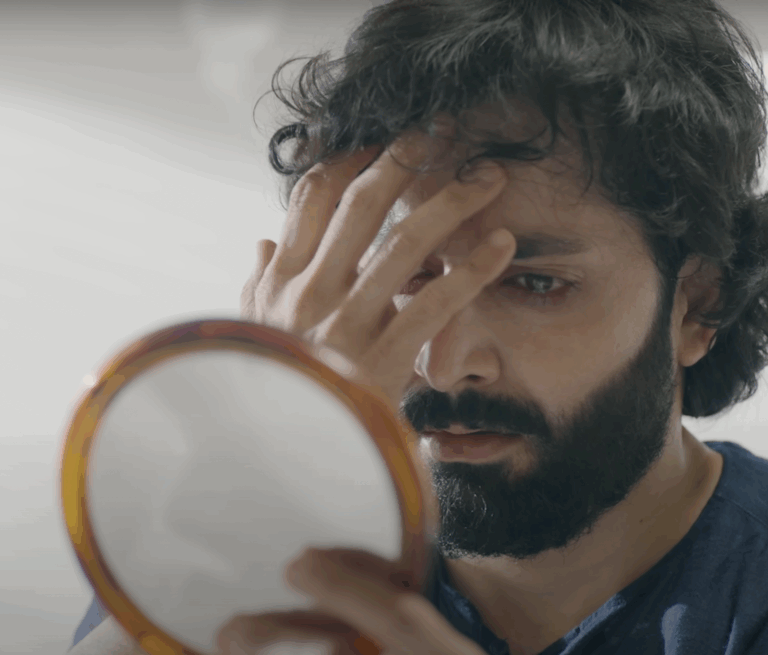
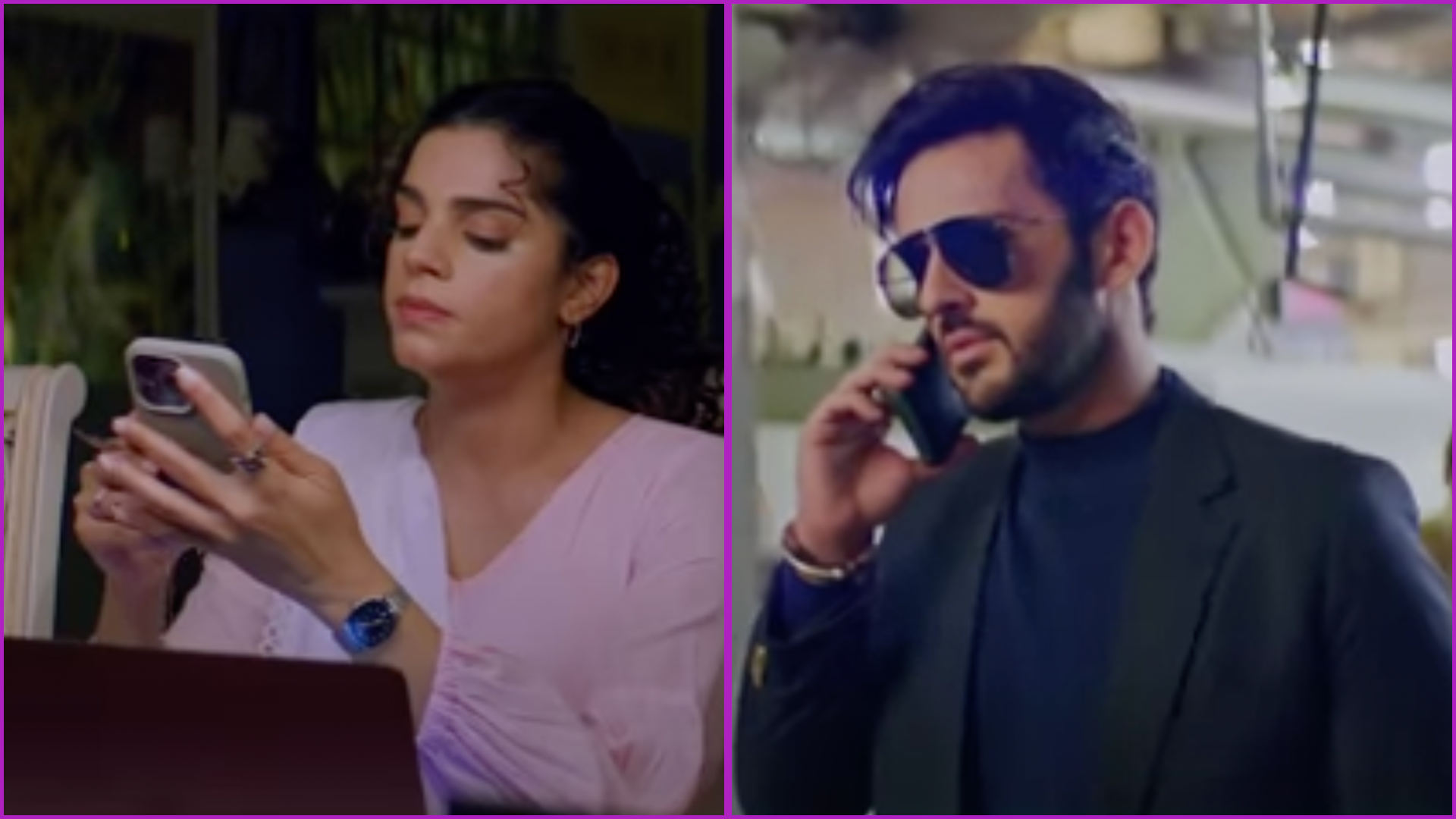
In the rival Bin Yamin family is the wife (played by Saba Hameed), who is probably the only sane one in the family, and a daughter who is just trying to stay out of the way. Farhad Bin Yamin (played by Azaan Sami Khan), the son and the resident “bad boy” of the family. Farhad’s character is like a mystery wrapped in a riddle, dipped in confusion. We are supposed to hate him because he is determined to marry Mehmal at any cost. But why? Is it because he is smitten with her beauty, or is it a clever ploy to take revenge ? Azaan Sami Khan’s poker face doesn’t help; he has the same expression in every episode. We are left scratching our heads, wondering what his motivations are and whether he is just a product of poor writing or a mastermind with a hidden agenda. Either way, Azaan Sami Khan’s performance has us questioning whether he is truly a ruthless villain we should root against, or just a confused boy in distress.
Mehmal’s Fight for Education
Mehmal tries to convince her family to let her attend university. Because, you know, it is still 2025, and apparently, women need permission to pursue higher education. The old “larki parh ke kya karegi” argument still holds water in this household. It is like watching a rerun of an 80s drama, minus the charm and nostalgia. The writer’s attempt to portray this regressive notion in a negative light falls flat. Why are we still having this conversation? Haven’t we moved past this already? But I suppose that is the point, to highlight the patriarchal mindset that still prevails in some households. Mehmal’s phuppo plays a crucial role in convincing her father to let her attend university, going against her mother’s wishes. And thus, Mehmal embarks on a new journey, meeting new characters and navigating the complexities of university life.
The University Characters
The university’s cast of characters is a real treat. The principal (played by Usman Pirzada) has us utterly perplexed. His character is either trying to be comic relief without being comical. With an actor of his caliber, you would expect a more substantial presence, but so far, his character feels like a missed opportunity.
Then we have Miss Maria (played by Sanam Saeed). She is a university professor with a poetic personality. Her character is so understated that it is hard to notice she is there. Let’s hope she adds some much-needed depth to the story in future episodes.
Zaviar Manto: The Dull Professor
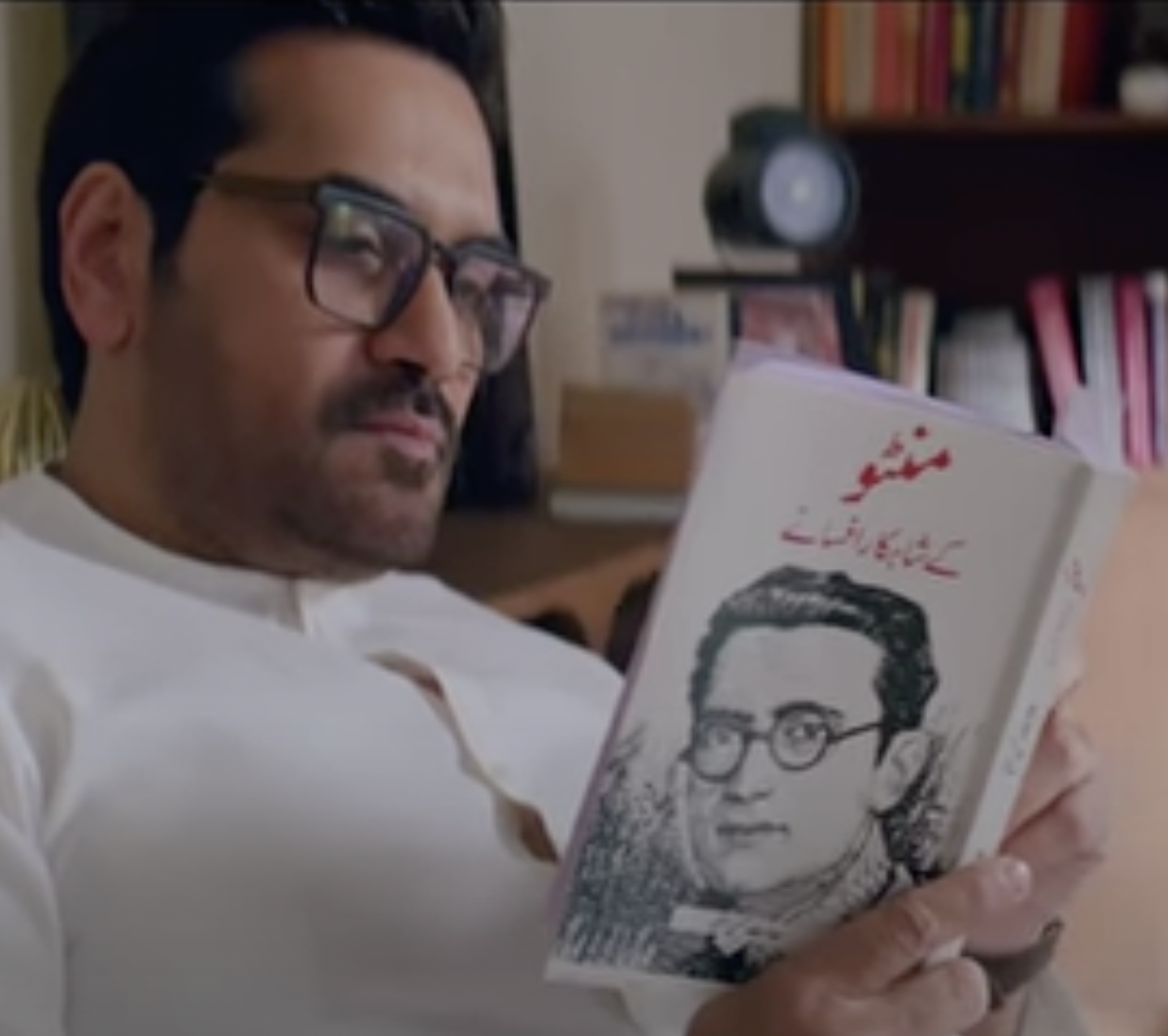
Zaviar Manto (Humayun Saeed), the titular character, is an economics professor who is as dull as a butter knife. His neighbor, Miss Maria, harbors a secret crush on him, and their nightly tea sessions are about as thrilling as watching paint dry. The silence between them is deafening. Manto’s timid and blunt demeanor adds to the enigma, making you question whether he is genuinely oblivious or just playing the fool. It is like watching a train wreck in slow motion. You are not sure what is happening, but you are invested nonetheless.

From Feud to Campus Soap Opera
Now let us talk about the so-called “actual story,” since the drama itself has not done us the courtesy. Mehmal’s entry into university marks a shift from inter-family melodrama to academic soap opera, and predictably, things get tangled right away. She is immediately branded as the “ghundey ki beti,” the gangster’s daughter. But Zaviar Manto is genuinely puzzled: Mehmal does not fit his mental image of what a gangster’s daughter should look like. This, of course, begs the question: what does a gangster’s daughter look like? Leather jacket and sunglasses? Scowl on her face, a theme song playing in the background?
The Problematic Romance Angle
As the drama proceeds, we can clearly see the storyline hinting at a romantic angle between Mehmal and Manto, who is her professor and at least two decades her senior. The show ignores the glaring inappropriateness of this dynamic but also makes me wonder how a boring character like Professor Manto can inspire infatuation in two different women from different generations. Perhaps it is Manto’s enigmatic dullness, his uncanny ability to blend into the wallpaper, that somehow acts as a magnet for all female characters within a ten-mile radius.
The Cringe-Worthy Fat-Shaming Scene
In a cringe-worthy scene, Mehmal asks Manto if he is married, and then takes it a step further by speculating that his wife must be fat because of the lack of motivation on his face. The classroom erupts in laughter, but the scene falls flat due to its fat-shaming undertones. It is awkward and insensitive, and makes you wonder why the writer thought this was a good idea. Ultimately, the responsibility for this tone-deaf moment lies with the entire team – writers, director, and actors – who all had a hand in bringing this problematic scene to life.
A Drama Lost in Confusion
What is truly baffling is that neither the script nor the direction seems interested in interrogating the unethical minefield they are planting. Student-teacher romance? Age gap with dubious power dynamics? Violent gangsters who visit shrines? Instead of tackling these issues head-on, the show keeps us in a perpetual state of confusion, veering wildly between melodrama, misplaced romantic tension, and comedic misfires.
Final Verdict
To salvage itself, the drama needs to acknowledge and address the problematic elements, develop authentic relationships, streamline the plot, and tone down the melodrama. Without these changes, it is hard to see how the drama can recover.