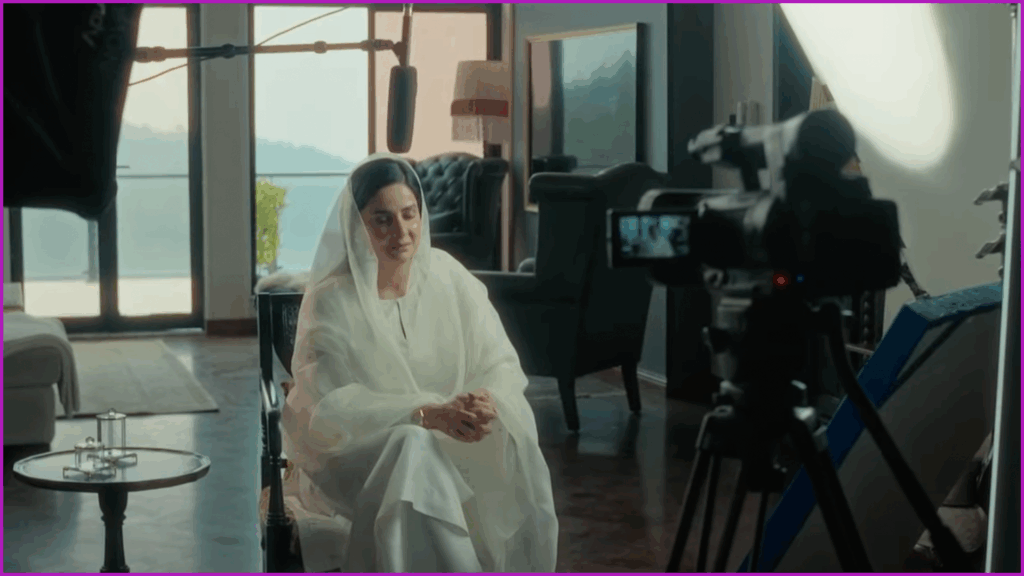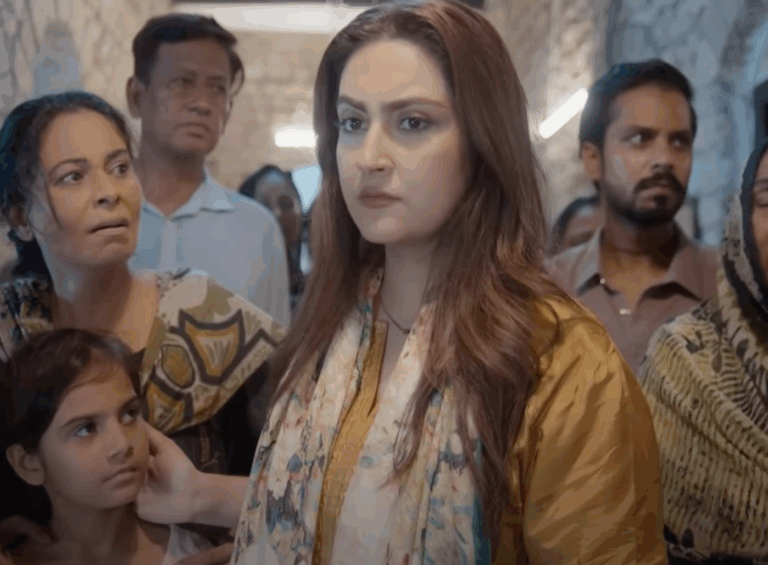




We grow up surrounded by love stories that glorify all-consuming romance. They lead us to confuse control with care. Pamaal, Green TV’s new drama starring Saba Qamar (Case No 9), peels back these familiar narratives to question what truly defines love, and where passion ends and possession begins.
Told as a story within a story, Zanjabeel Asim’s script follows a writer who becomes enamored with the idea of a prince charming. It begins like a classic love story, a bright, hopeful woman meets a mysterious stranger, yet an unsettling tension runs beneath the surface. The audience senses what she cannot: that this is not a fairytale.
A World Built on Words
Malika’s life is picturesque, unfolding in the misty hills of Murree. Her days revolve around stories: handwritten tales traded with fruit vendors and dreams shared with her widowed mother. Their modest home is filled with warmth.
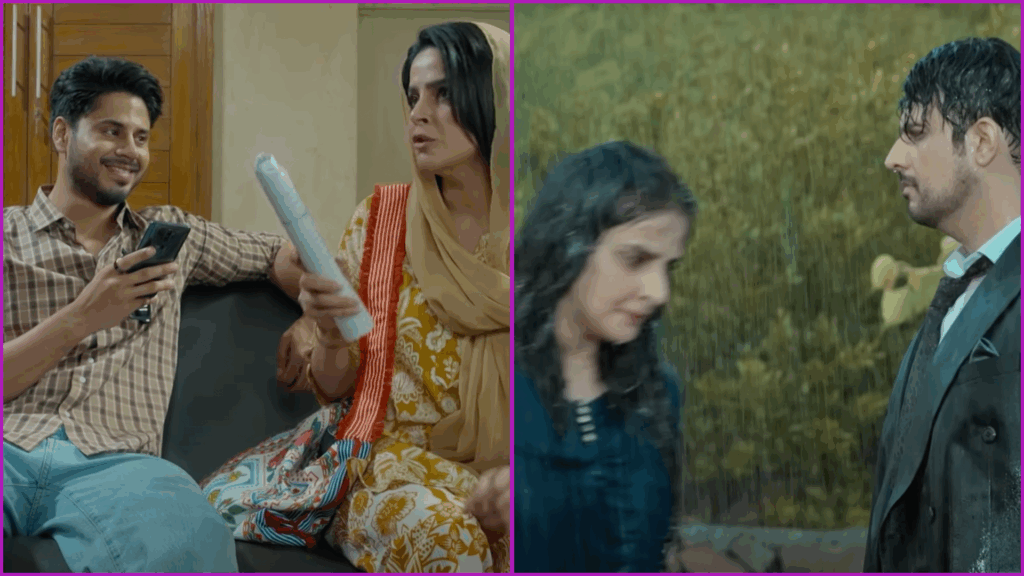
Her friendship with her cousin Anas (Haris Waheed) is tender and constant. He adores her, but his affection never turns possessive. When he suggests taking things further, Malika refuses. For her, love should feel larger than life, not just comfortable but transcendent.
Malika sees life through the lens of fiction. Her mother’s stories of a noble, gentle husband shaped her belief that love must be poetic and inevitable, something that happens to you rather than something you build. Her ideals are tender but treacherous, born more of longing than experience.
The Dangerous Ideal
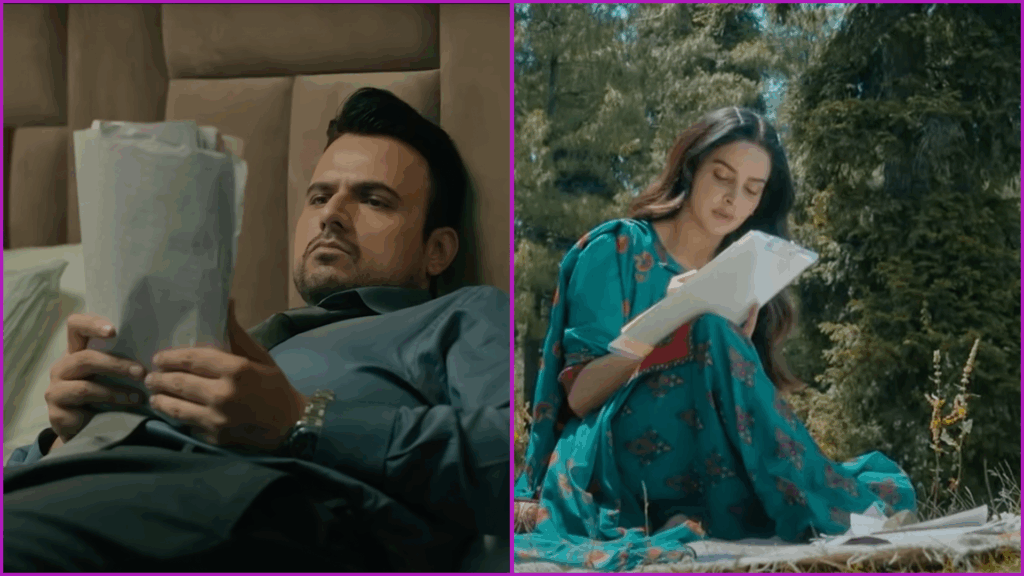
That longing begins to grow when Malika meets Raza (Usman Mukhtar). Alone in Islamabad, anxious and desperate to find medicine for her sick mother, she feels cornered by creepy men who follow her until Raza appears. He offers her safety and a ride home. Her relief turns to admiration. What she perceives as chivalry, feels suspicious to the audience.
Raza’s obsession is immediate and irrational.
He knows nothing about her, yet insists he’s in love because she’s “quiet” and “knows her limits”. He doesn’t even know her name! The only exchange they had wasn’t even meaningful – he surreptitiously read a story she left in his car. Raza, like so many men shaped by the same cultural script, rushes to propose. His moods shift unpredictably, and even his family treads carefully around him, a clear warning that what’s framed as passion is rooted in a need for power.
Rewriting the Narrative
Through Malika and Raza, Pamaal could counter the idea that endurance is virtue and suffering is proof of depth. But by portraying Malika as overly naive the story falters.
Khizer Idrees’s Pamaal greatest strength is its framing. Setting it in the future allows the story to breathe, and unfold as an award-winning writer revisiting her own past. The device transforms the series into a commentary on storytelling and our sense of self.
We can hope that Pamaal will be a story about awakening. It reminds us that the greatest romance a woman can write is the one where she chooses herself.