


It took me a while to muster the energy to watch Neelofar, and even longer to write about it because, much like the film itself, my thoughts lacked clarity. I didn’t enjoy it but I could not pinpoint why. The poetry, music, cinematography, nostalgia and animated transitions meant to evoke whimsy, all lull you into believing this is a gentle heartfelt movie. Yet by the end, Neelofar left me cold.
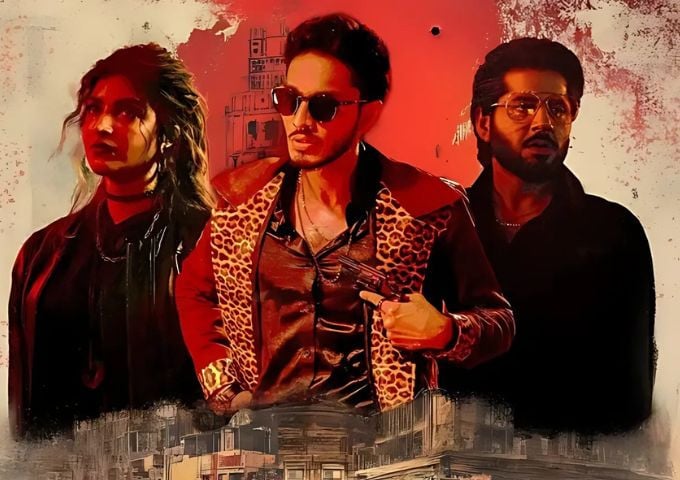
When we first meet Mansoor Ali Khan (Fawad Khan) he is in a state of creative stagnation and emotional inertia, mechanically moving through a publicity tour. He is the star whose only book is 10 years old, yet audiences still line up eagerly to hear him read from it. Mansoor, however, is bored and impatient to leave. He lives in Dubai and is in Lahore for a literary festival, staying with a family friend and being catered to by Sara (Madiha Imam) who manages the fans and encourages him to write more.
Sara inadvertently kickstarts the film by scheduling an eye appointment for him. At the ophthalmologist’s office, he bumps into Neelofar (Mahira Khan), a blind young woman who accuses him of harassment: an auspicious beginning for a romance.
Written and directed by Ammar Rasool, Neelofar could have been a story told through the perspective of a woman who experiences the world differently. Instead her blindness is reduced to metaphor and poetic shorthand rather than a facet of her everyday life. Her disability exists not to be explored with curiosity or care, but to make her unusual, palatable and useful to a sad creatively stalled man.
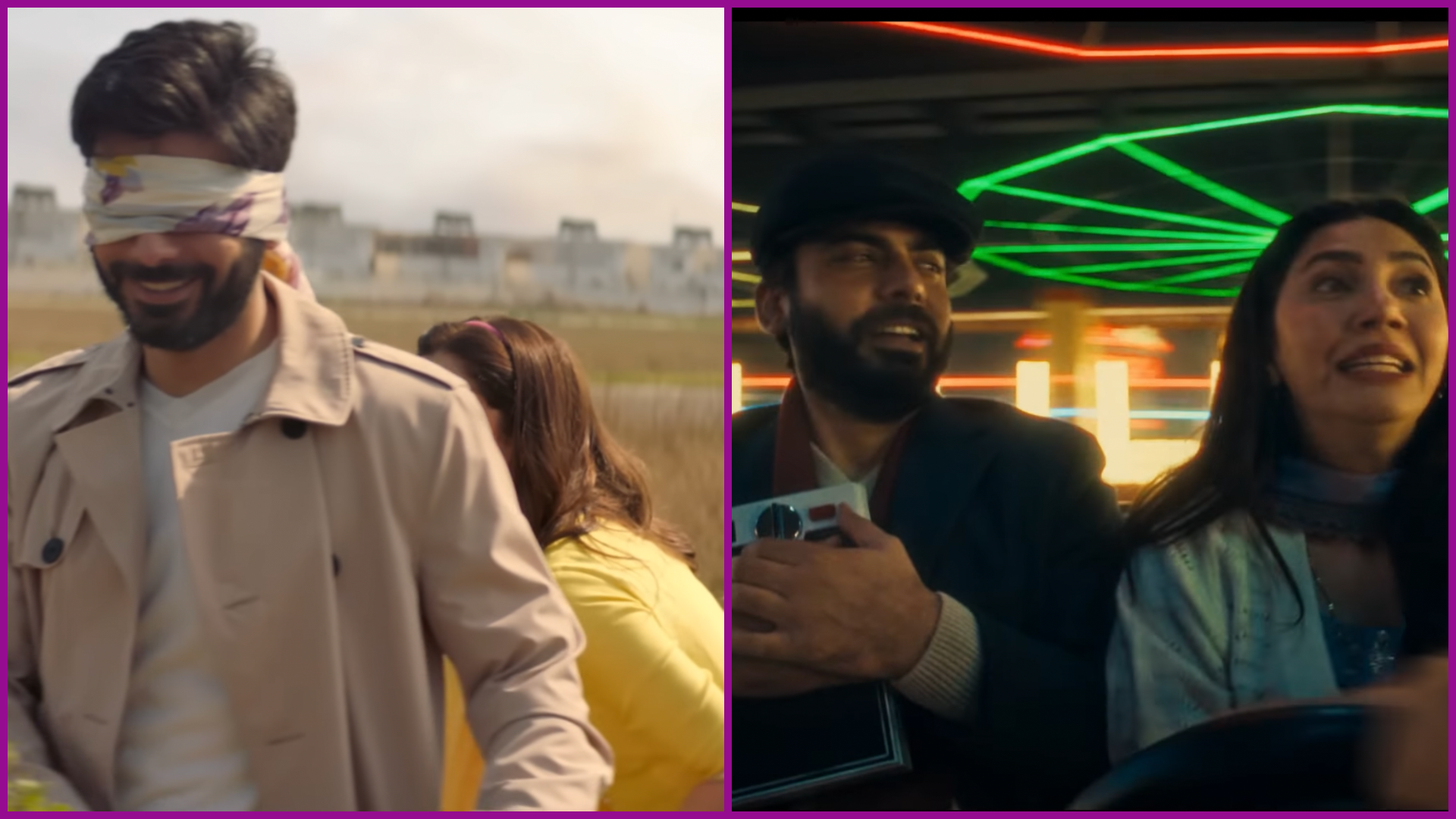
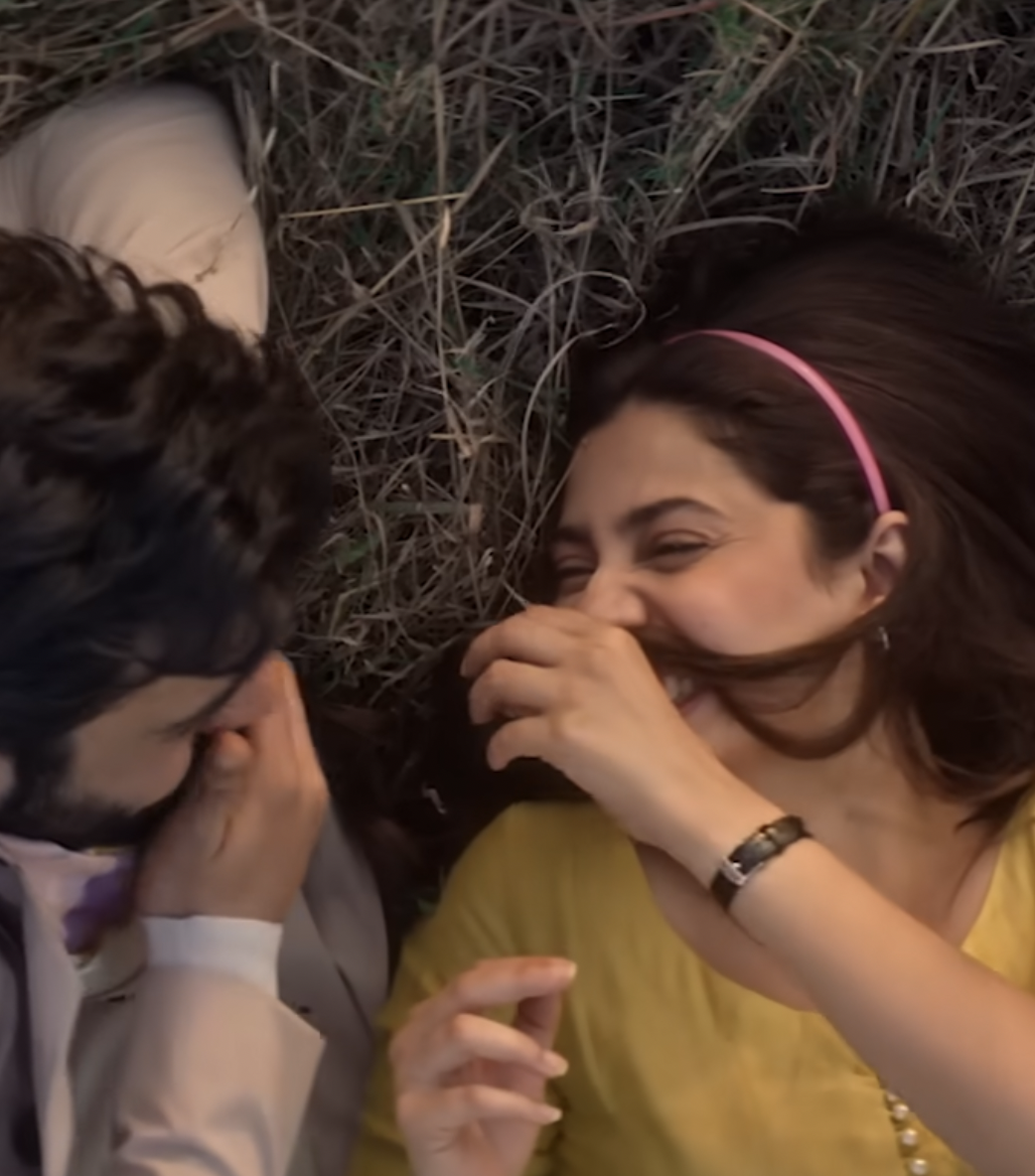
Neelofar shops at antique stores, uses analog technology and creates art with her hands. She wears pastel colors, demure cardigans and headbands that emphasize innocence and purity. She is the opposite of the TikToker introduced at the beginning, who is brash, rude, shallow and obsessed with documenting herself. Even Sara is berated for looking at her phone while Mansoor is speaking. Modernity is coded as distraction and vulgarity. Neelofar meanwhile, is disconnected from contemporary world, a world where Mansoor no longer fits, thus she becomes a refuge for him.
Despite all this careful aesthetic construction, we never learn anything real about her. We never learn what her life was like before Mansoor entered. We do not know her friends, her goals, dreams or her fears. We are never even told why she is getting eye surgery now, how she feels about the possibility of gaining sight or what the transformation might mean for her. These questions are not looked into in any meaningful way. All we know is that she dances with abandon and impulsively boards a train because she hears a baby crying (her nurturing instincts override her self-preservation instincts indicating she is a good woman).
Neelofar is the perfect woman for Mansoor precisely because she is blind to his lies and faults.
He can create a version of himself disconnected from his past and reveal only what he chooses. This isn’t love or self-discovery, it is pure narcissism.
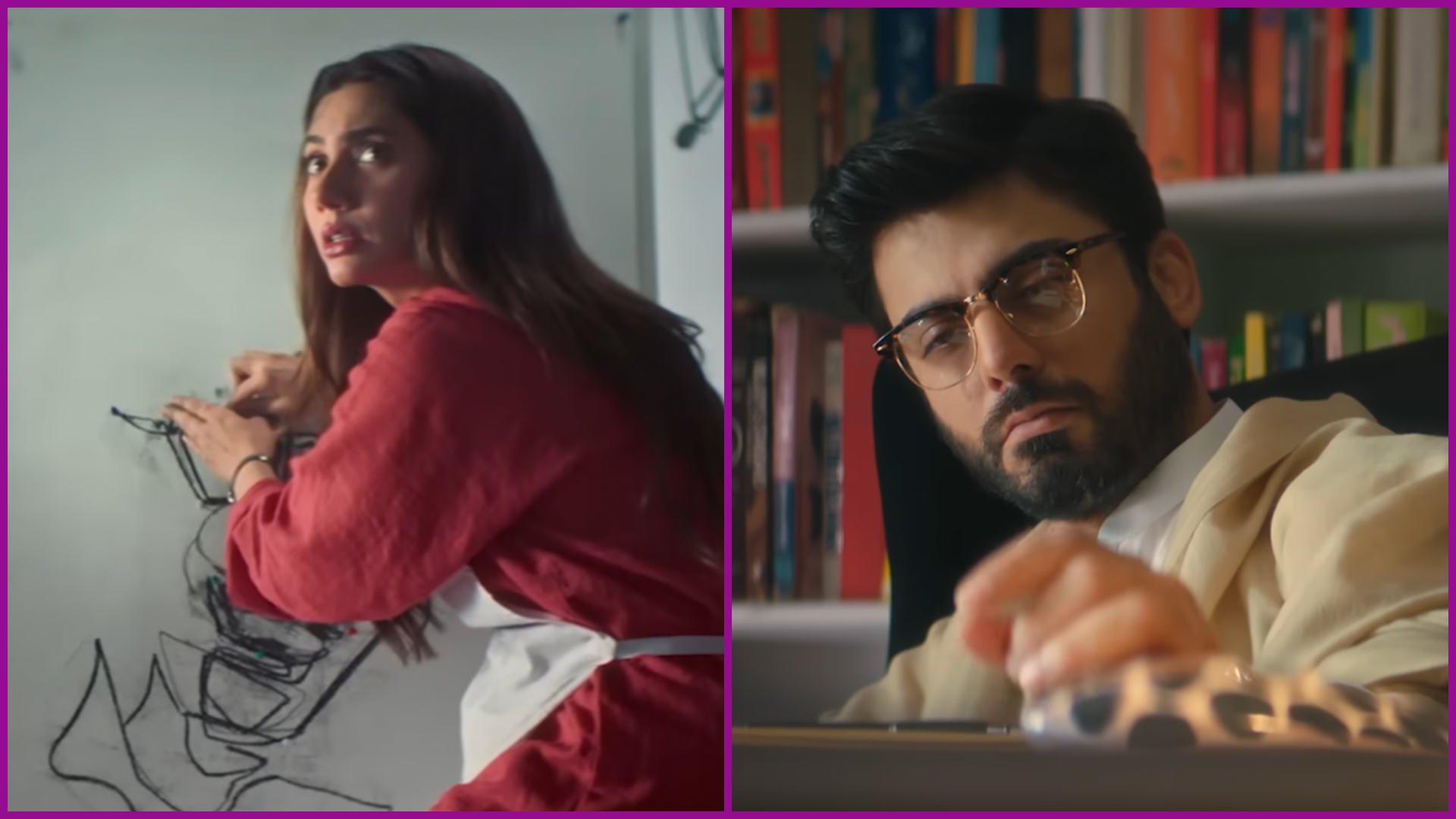
Even the supporting characters exist primarily to orbit Mansoor. Gohar Rasheed plays a fellow writer whose entire function is reduced to defending Mansoor’s importance, reiterating his literary significance. The film touches on themes of censorship and progress but abruptly abandons quickly. Similarly superficial, are the petty motivations of antagonists trying to undermine Mansoor. If the only critique of Mansoor comes from the “villain”, the audience is expected to be unequivocally on his side.
Ironically the only moment of real emotion belongs to Sara, when she confesses her love to Mansoor. It is abrupt and bewildering but it is a raw real moment. We get to see her without pretense so we can relate to her. Later, she says does not regret her honesty because it important to be vulnerable. A sentiment this movie explicitly states but never embodies.
Romance movies usually resonate because we all feel alone and lost and are looking for someone to see us as we really are. This film fails because Mansoor refuses to see Neelofar for who she is. He shows little interest in her challenges. He cheats and peaks when she asks him to wear a blindfold for a few minutes and hides his identity from her. Perhaps casting Fawad and Mahira was a misstep. Neither convinces as a broken person looking for love. Both are too wrapped in the veneer of beautiful movie stardom.
The film briefly mocks the absurdity of the airport run as a cliched grand gesture and then promptly uses another cliched grand gesture: the public confession.
Mansoor does not ask Neelofar what she wants. He uses her story to rehabilitate his public persona. It is not a moment of humility, it is another performance. By the time the credits roll, Neelofar has lost the only identity the film allowed her. Her blindness is erased without reflection or consequence. Even her styling changes, the cardigan is gone and she is glamorous now. She begins as a metaphor and ends as an accessory.
Neelofar, the film, mistakes narcissism for introspection and romanticization for empathy. Neelofar, the character, was written to inspire not to exist.