


After a Lukewarm Start, Case No. 9 Steps Into Humanity, Fragility, and Conflict.
For its first two episodes, Case No. 9 plays a bit like a public service announcement. The struggle to find female medico-legal officers is highlighted. Legal codes are cited. Important, yes. Compelling, not quite.
The tone is clinical, as if lifted straight from the evening news.
Episode three changes everything. Suddenly, these are not just case studies but people. Characters reveal cracks in their armor. Guilt surfaces. Survival instincts come alive. Humanity enters the frame, and the show begins to breathe.
Power, Privilege, and the Villain Who Cracks
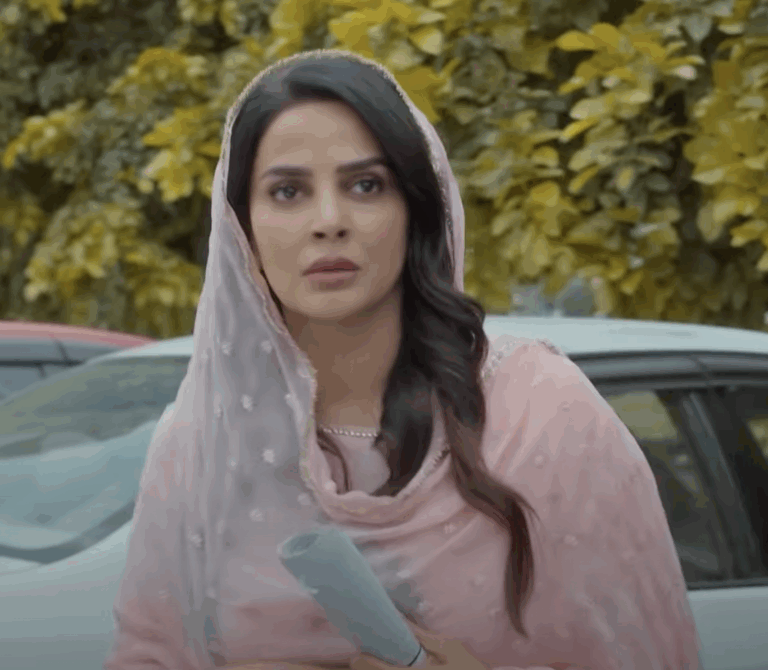
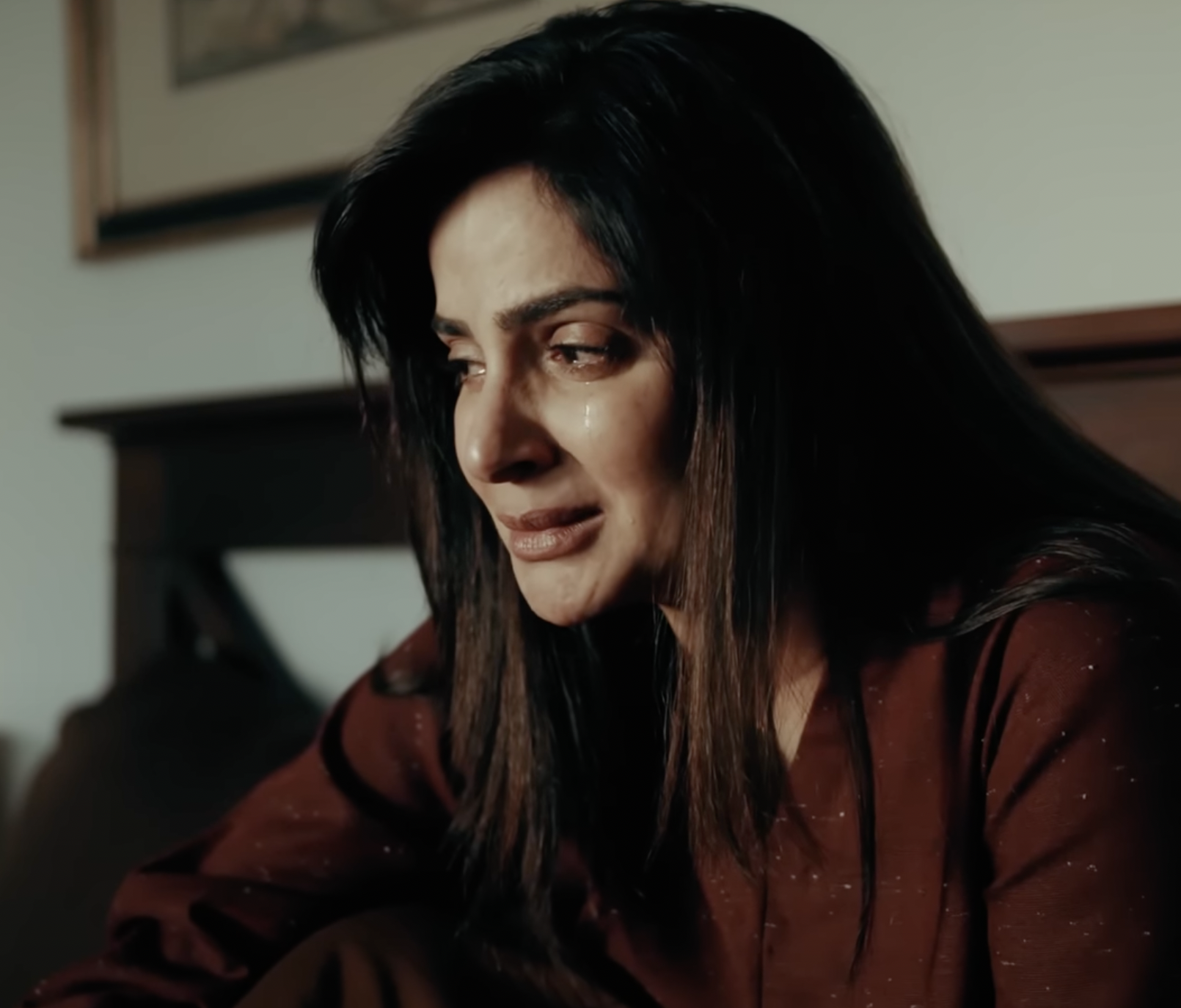
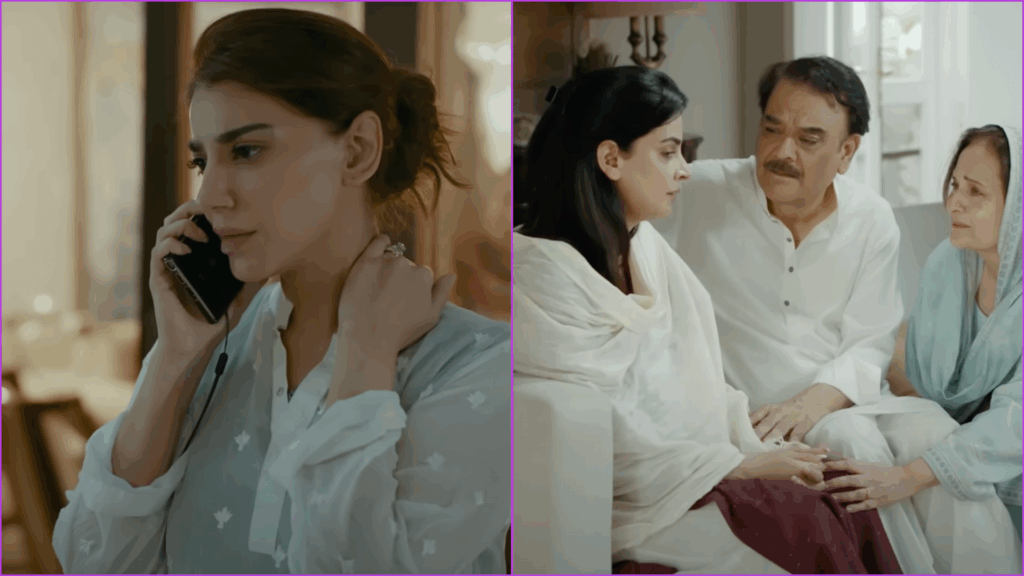
Saba Qamar embodies Sehar, a divorcee and professional whose life is shattered by brutal violence. She is not framed as a passive victim but as a woman whose strength is tested in ways that resonate with countless survivors. Opposite her stands Faysal Quraishi’s Kamran. In the opening episodes, he feels like a caricature of evil, plotting Sehar’s assault, gulping whisky, flaunting his entitlement without a flicker of remorse.
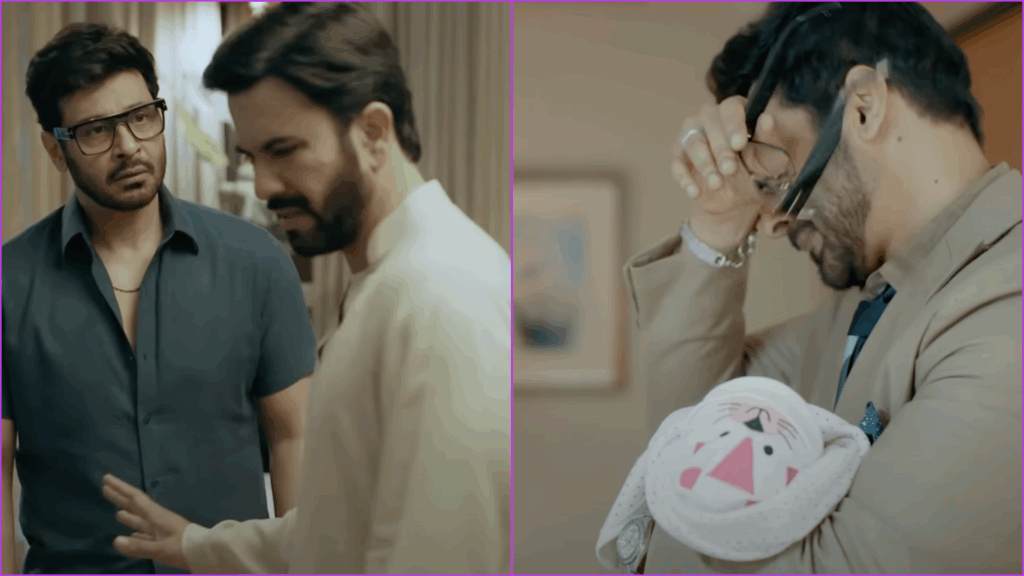
The third episode introduces dissonance. In a brilliant scene Kamran holds his newborn daughter, tears streaming down his face. For a fleeting moment, he appears small. A man afraid for his own future. The scene unsettles precisely because it suggests vulnerability before snapping back to cruelty. Kamran quickly returns to slick villainy: bribing police, manipulating staff, and denying wrongdoing with shameless confidence. He is the embodiment of privilege, the kind of man who can produce a suitcase of cash and silence an inspector on the spot. Women in Pakistan -and everywhere – know this archetype too well.
Case No. 9 shows that exploitation does not end with the assault. The police speculate that Sehar is lying. False accusations are treated as routine. A servant whispers that the family has “hit the jackpot.” In a system built on constant oppression, who would dare to stand with a victim?
Bro Culture, Fractured Homes, and a Country’s Reckoning
Rohit, Kamran’s best friend, (played by Junaid Khan) reacts with anger at Sehar’s assault. His fury does not translate into courage though. In a painfully accurate display of toxic bro culture, he protects Kamran anyway. His wife, Manisha (Naveen War), a women’s rights activist, refuses to stay quiet. We see hints of a fracture in the relationship under the weight of principle versus loyalty. One clings to friendship. The other clings to justice. Their conflict mirrors society’s own divide between complicity and accountability.
Shahzeb Khanzada’s script reflects the instincts of a journalist who has spent years covering crime and power. Details ring with authenticity: constitutional law numbers, bureaucratic hurdles, the culture of corruption of police stations. The story exposes the system’s failure.
Placed against the backdrop of Pakistan’s recent history, Case No. 9 feels almost too timely. The gruesome murder of Noor Mukaddam in Islamabad forced the country into a national reckoning about privilege, patriarchy, and impunity. Globally, the Me Too movement forced similar questions into the open. The drama positions itself in that uncomfortable intersection: where demands for justice crash against the reality of systems designed to protect men like Kamran.
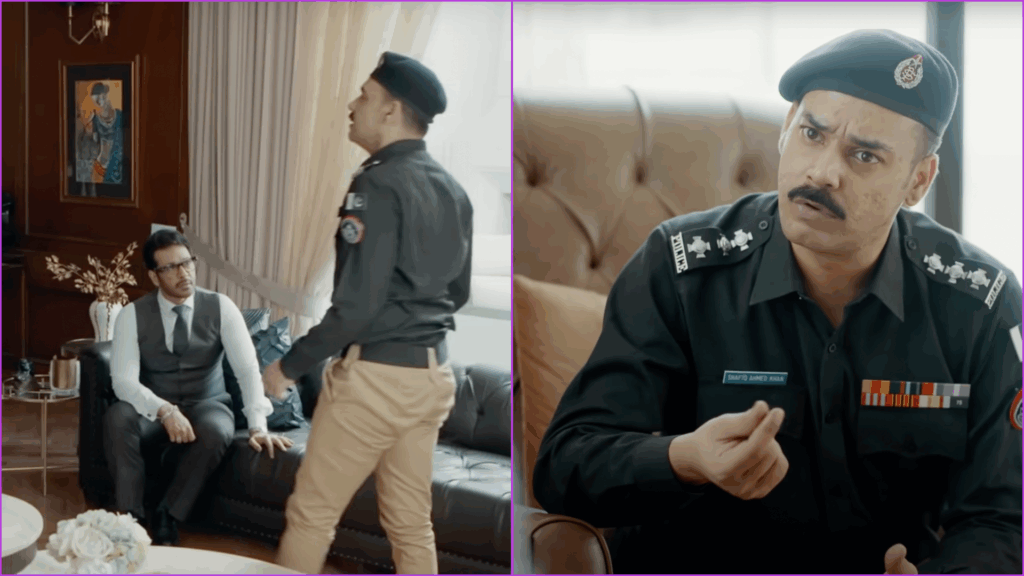
Episode three captures that conflict most clearly. It does not redeem Kamran but exposes him. A man can toggle between private guilt and public arrogance with ease. A father can hold his child and still remain a predator. Money and connections smooth over consequences. Gohar Rasheed’s impeccable portrayal of a casually slimy inspector on the take show how corruption and complicity allow violence to thrive.
Case No. 9 is not the first Pakistani drama to tackle sexual violence. Udaari (Hum) and Cheekh (ARY) took on the subject before. But in the deft hands of director Wajahat Hussain, coming directly off the runaway success of Faraar this story of gendered violence and injustice feels sharper, more urgent. Where Faraar exposed corruption and crime through suspense, Case No. 9 brings those same themes into the private, painful terrain of sexual violence and the power systems that protect perpetrators.
As in Faraar, the series shows how systemic cruelty and failed justice leave us all vulnerable to violence.
Case No. 9 is not a gripping suspense drama – we know who did it and we know how. Now, we are watching how society becomes complicit in the violence. This is a deeply unsettling truth that shows the fragility of survivors, the cowardice of friends, and the brutal efficiency of power. This is what makes the series worth watching.