


Pakistan’s film industry is a click away from artificial intelligence. So how do we use it?
So far, generative AI in Pakistan has been restricted to the commercial space. Brands like Zong, Olivia, Ufone, and Zero have proudly announced the use of AI-generated visuals in advertising campaigns. These experiments are clean, contained, and cost-effective: exactly the kind of low-risk environment that allows agencies to dabble in innovation without disrupting old systems.
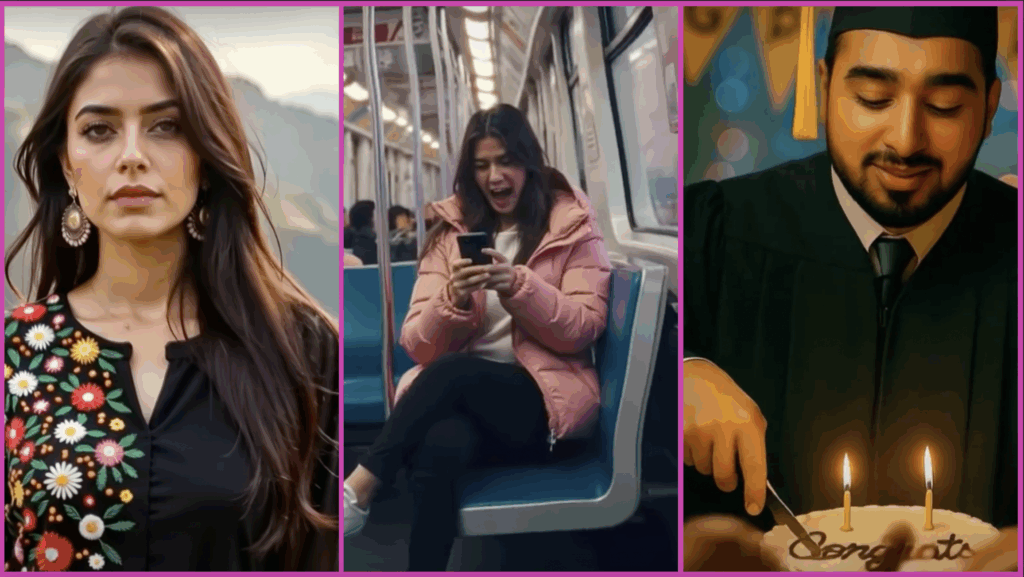
AI avatars, voiceovers, and synthetic product shots are becoming standard tools in digital ad kits
Brands reduce reliance on full-scale crews, studios, and editing suites by using generative visuals or virtual sets.
The commercial value is clear.
But what about the creative?
Pakistani production houses have not publicly announced AI-assisted creative project yet but the tell-tale signs are there. You’ll spot the literal translations, predictable arcs, AI-style dialogue loops. With the pressure to reduce production costs, meet deadlines, and churn out high volumes of content it’s likely that AI is already shaping story development quietly and uncredited.
Outside the studio system, independent creatives are leading the AI conversation. Asghar Ali Ghanchi, founder of Cinebotic Labs, has built an entire content studio around generative tools.The lab works on AI-assisted narrative content, exploring how machine intelligence can enable storytelling in formats that bypass traditional constraints of funding, censorship, and scale.
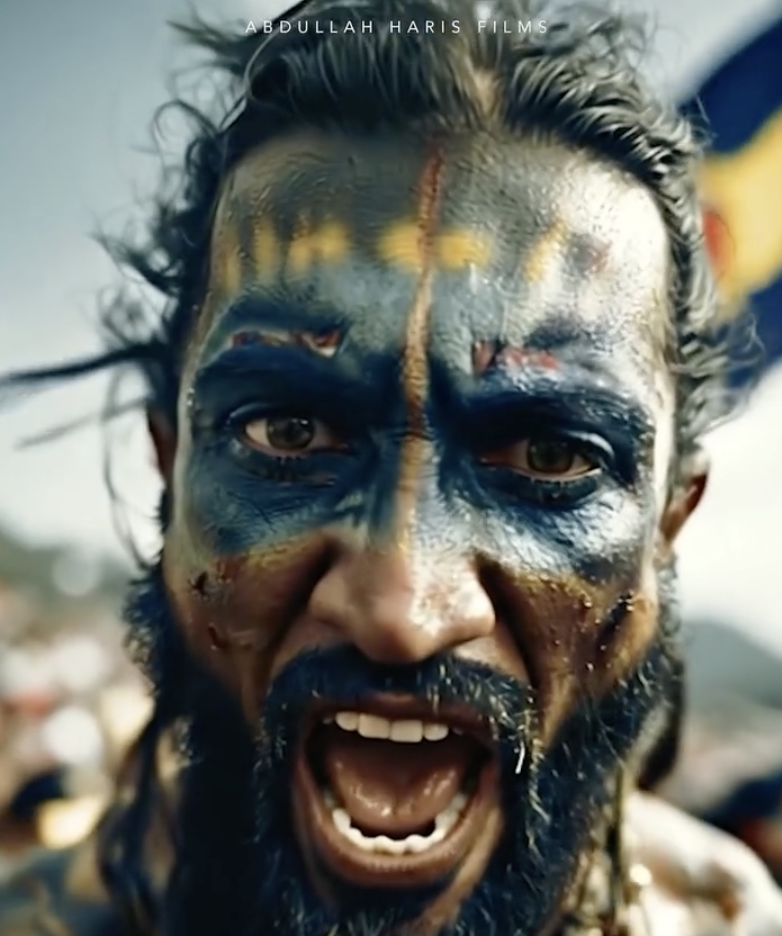
Abdullah Haris, one of Pakistan’s most respected photographers and creative directors, has also incorporated AI into his visual language and is experimenting with AI in his upcoming creative film “Embrace the Doom.”
View this post on Instagram
Last month saw the release of indie short film “Bread from Gaza” which claimed to be the first to rely entirely on generative imagery to reimagine life under siege. Projects like this don’t just showcase AI’s technical possibilities—they demonstrate how artists are using it to fill in narrative voids the industry is unwilling or unable to confront.
Is the future of film… prompts?
Contrast this with India, where GenAI has already entered the mainstream conversation around cinema. Films like Naisha, Maharaja in Denims, and Love You are actively competing to become India’s first AI-generated feature.
Studios are deploying AI to cut costs, generate full visuals, and test multiple endings before settling on a final cut.In some cases, the use of AI is more invasive. Raanjhanaa, the 2013 Bollywood film centered on a doomed Hindu-Muslim romance, is being re-released with a newly created “happy ending”—one generated by AI without the consent of its original director. Aanand L. Rai has condemned the move as unauthorized and unethical, raising urgent questions about creative ownership, consent, and manipulation.
Pakistan’s film industry hasn’t faced these dilemmas in public yet but it’s only a matter of time.
The attraction is obvious: AI means cheaper films, faster post-production, endless revision possibilities, and fewer creative bottlenecks. But it also opens the door to authorial ambiguity, aesthetic homogeneity, and ethical grey zones.